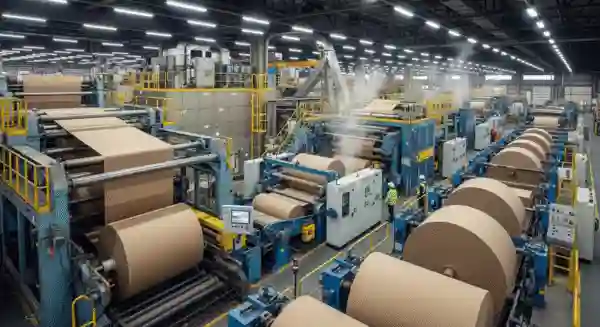

Graphic Packaging 2025 update: the company has outlined new cost and production measures for the months ahead.
The Atlanta-based packaging group said it will move faster on support-function reductions and inventory actions as it prepares for 2026.
The company expects to save around $60 million next year through staffing and corporate cost reductions.
One-time charges linked to these actions are estimated at $20 million.
Graphic Packaging said it is working with employees affected by the changes and will provide placement support.
The company also plans to reduce inventory earlier than expected.
Its new recycled paperboard mill in Waco, Texas is ahead of schedule, allowing it to pull forward inventory cuts originally planned for 2026.
The move will add another $15 million impact to fourth-quarter operating results, on top of the $15 million announced during Q3.
Full-year Net Sales guidance remains $8.4–$8.6 billion.
Adjusted EBITDA has been revised to $1.38–$1.43 billion.
Adjusted EPS is now expected to land between $1.75 and $1.95.
The company said it remains confident in generating $700–$800 million in free cash flow in 2026.
Why it matters
Graphic Packaging is one of the largest global suppliers of paperboard and consumer packaging.
Any shift in production, staffing, or cost structure can shape packaging availability, pricing, and lead times for food, beverage, and household brands.
These updates also come as brands review new design materials and sustainability rules across Europe, with similar changes detailed in recent packaging innovation trends.
The earlier-than-planned inventory cuts signal the company is positioning itself for tighter operations heading into 2026.
These actions also align with broader changes seen in German retail packaging developments, where suppliers are adapting to cost pressure and regulatory demands.
This Graphic Packaging 2025 update will be watched closely across the packaging and FMCG supply chain.