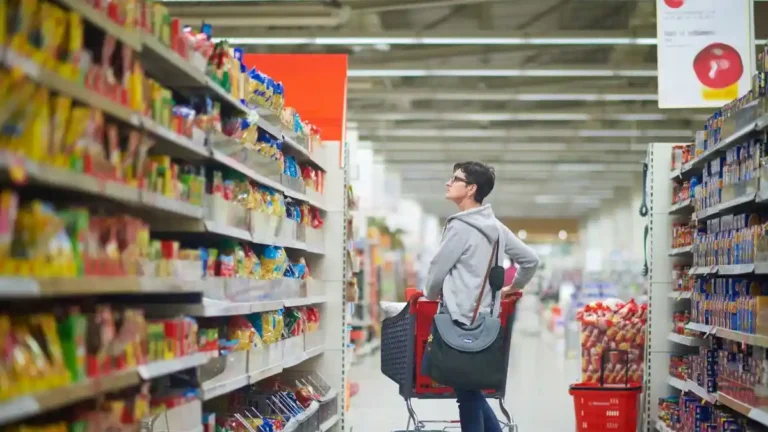

Food inflation in Canada supermarket remained elevated in December 2025, with supermarket grocery prices continuing to rise faster than overall consumer inflation, increasing pressure on household food budgets.
Statistics Canada data shows that food purchased from stores increased 5.0% year over year in December, even though prices were flat compared with November. This confirms that grocery inflation remains structurally high across Canadian supermarkets.
Several everyday food categories recorded strong annual price increases. Coffee prices rose 30.8%, making it the fastest-growing grocery category during the month. Fresh and frozen beef prices increased 16.8%, reflecting ongoing cost pressure in the meat supply chain.
Snack categories also posted notable growth. Potato chips and snack products rose 7.9%, while confectionery prices climbed 14.2%, adding further pressure to household food baskets.
Statistics Canada noted that part of the year-over-year acceleration is linked to the base-year effect from the temporary GST and HST tax exemption in late 2024, which reduced grocery prices last year and now magnifies annual comparisons.
For supermarket operators, the sustained food inflation trend continues to shape pricing strategies. Retailers are adjusting shelf prices, expanding private label ranges and refining promotional activity to manage supplier cost increases while maintaining value perception for shoppers.
Food inflation is also influencing consumer behaviour. Shoppers are increasingly switching brands, prioritising discounted items and spreading purchases across multiple stores in search of better value.
Canada Supermarket Food Prices — December 2025
| Grocery Category | Annual Price Change |
|---|---|
| Food purchased from stores | +5.0% |
| Coffee | +30.8% |
| Fresh or frozen beef | +16.8% |
| Snack foods (chips) | +7.9% |
| Confectionery | +14.2% |
Source: Statistics Canada, Consumer Price Index, December 2025
Looking ahead, Canada’s Food Price Report forecasts overall food prices will rise between 4% and 6% in 2026, suggesting supermarket grocery prices are likely to remain under pressure in the coming months.
Retailers are preparing for continued supplier negotiations and cost management efforts as food inflation remains one of the most sensitive issues affecting supermarket performance.
Why This Matters
Food prices directly influence supermarket footfall, basket size and private label demand. When grocery inflation stays elevated, shoppers become more price-sensitive, visit stores more frequently but spend less per trip, and increasingly shift toward value ranges and entry-price own-brand products.
For Canada supermarkets, the continued 5% food inflation rate means pricing strategy will remain a central operational focus in 2026. Retailers are expected to keep adjusting promotional calendars, renegotiating supplier contracts and refining assortment structures to protect margins while maintaining customer trust.
Sustained grocery price pressure also affects category performance. Higher meat, coffee and snack prices can reduce volume sales, increase substitution behaviour and accelerate brand switching, forcing retailers to rebalance shelf space and promotional priorities.
With food inflation still running well above overall consumer inflation, supermarket operators will remain focused on value positioning, price competitiveness and cost control as they prepare for another year of tight consumer budgets and cautious spending behaviour.
Editor’s Note: All Information taken from Statistics Canada Consumer Price Index, December 2025.