
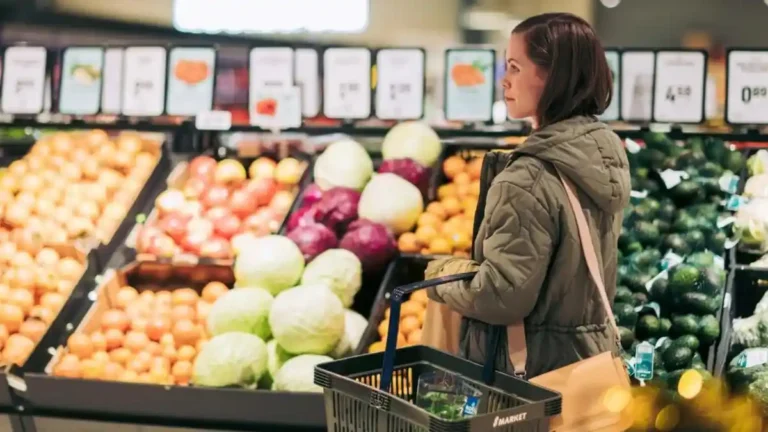

Finland’s S Group has partnered with the University of Jyväskylä and Sitra to launch an open environmental footprint database and calculation guide aimed at helping companies measure and reduce biodiversity and climate impacts across supply chains.
The new model, published on 26 January 2026, is built using real procurement and sales data from S Group, covering the consumption patterns of around four million Finnish consumers.
Researchers said the system improves product categorisation and allows more accurate comparisons between food categories, regions and sourcing models.
S Group reported that its value chain environmental footprint reached 19,000 nano biodiversity equivalents (nBDe) in 2023. This level of impact is estimated to increase extinction risk for approximately 153 species globally if current damage trends continue.
Food and beverage products accounted for 76% of the retailer’s total footprint. Fuel consumption represented the second largest share at 8%.
Within food categories, the biggest biodiversity impacts were linked to meat, dairy, coffee and chocolate, reflecting high land use, feed production and fertiliser intensity.
The study also showed that 97% of S Group’s food-related environmental impacts occur outside Finland, mainly in high-biodiversity regions near the Equator and across Mediterranean sourcing zones.
The retailer has set a target for 65% of food sales to be plant-based by 2030, up from around 60% today. Researchers estimate this shift alone could reduce food-related environmental impact by 7%. A fully plant-based product mix could lower the footprint by as much as 33%.
S Group said it is already adjusting in-store merchandising, seasonal vegetable promotions, recipes and supplier cooperation to support the transition.
The project also highlights growing supply chain risk. Extreme weather events, water stress and biodiversity loss are already affecting harvest reliability, including fruit and vegetable production regions in southern Europe.
Researchers found that sourcing from lower-impact regions could reduce environmental footprint by 12%, strengthening supply security while improving sustainability outcomes.
For supermarket operators, produce suppliers and category buyers working across Finland fresh produce supply networks, the tool offers new visibility into sourcing risks and long-term availability pressures.
The BIOVALENT database and calculation guide are publicly available and designed for use by retailers, FMCG brands and suppliers globally.
Development funding came from S Group, Sitra, the Academy of Finland’s Strategic Research Council and Ecobio Oy.
The partners said the model will continue to be refined, including future product-level footprint precision and expanded biodiversity risk modelling.