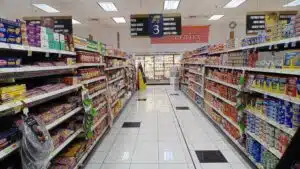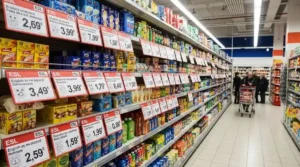
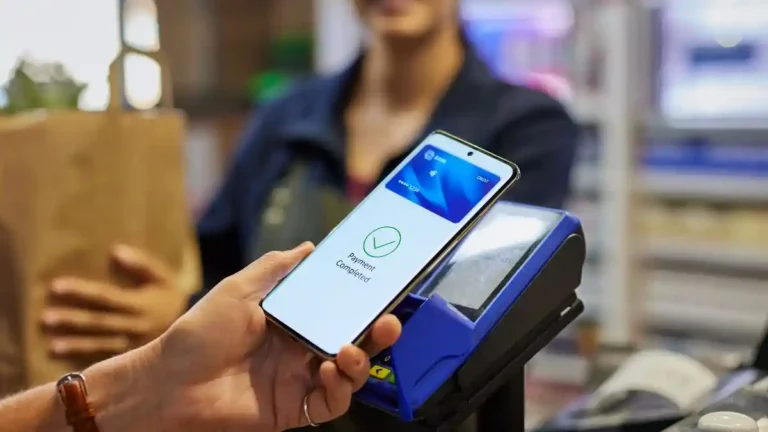

Sweden’s retail sector enters 2026 with one of Europe’s most digitised store environments.
- Electronic shelf labels are embedded across grocery.
- Self-checkout systems are standard in urban supermarkets.
- Unified commerce platforms connect store and online inventory in real time.
Retail technology in Sweden is no longer innovation-led experimentation. It is structural infrastructure. It is tied directly to margin control, automation and regulatory compliance.
The ranking below reflects the latest publicly available FY2024 and LTM 2025 disclosures. It prioritises confirmed revenue scale.
Revenue & Core Technology (FY2024–LTM 2025)
| Rank | Company | Revenue (Latest FY / LTM 2025) | Status | Core Retail Technology |
|---|---|---|---|---|
| 1 | ITAB Group | ~SEK 12–13bn (FY2025 trajectory) | Nasdaq Stockholm | Store solutions, automation, checkout |
| 2 | Pricer | ~SEK 2.2–2.5bn (LTM Q3 2025) | Nasdaq Stockholm | Electronic shelf labels |
| 3 | Extenda Retail | ~SEK 1.5bn+ (FY2024 scale est.) | Private (STG) | POS, unified commerce |
| 4 | Avensia | ~SEK 430–450m (FY2024–LTM 2025) | Nasdaq First North | Commerce integrations |
| 5 | Sitoo | ~SEK 250–300m ARR (2026 est.) | Private | Cloud-native POS |
| 6 | Bambuser | ~SEK 85–100m (FY2024–LTM 2025) | Nasdaq First North | Live shopping SaaS |
| 7 | Voyado | Revenue undisclosed | Private | CRM & loyalty automation |
| 8 | Centiro | Revenue undisclosed | Private | OMS & logistics tech |
| 9 | StrongPoint (Sweden ops) | Nordic group reporting | Oslo-listed | Store automation |
| 10 | Zettle (PayPal) | Within PayPal reporting | Subsidiary | POS & payments |
Company Profiles
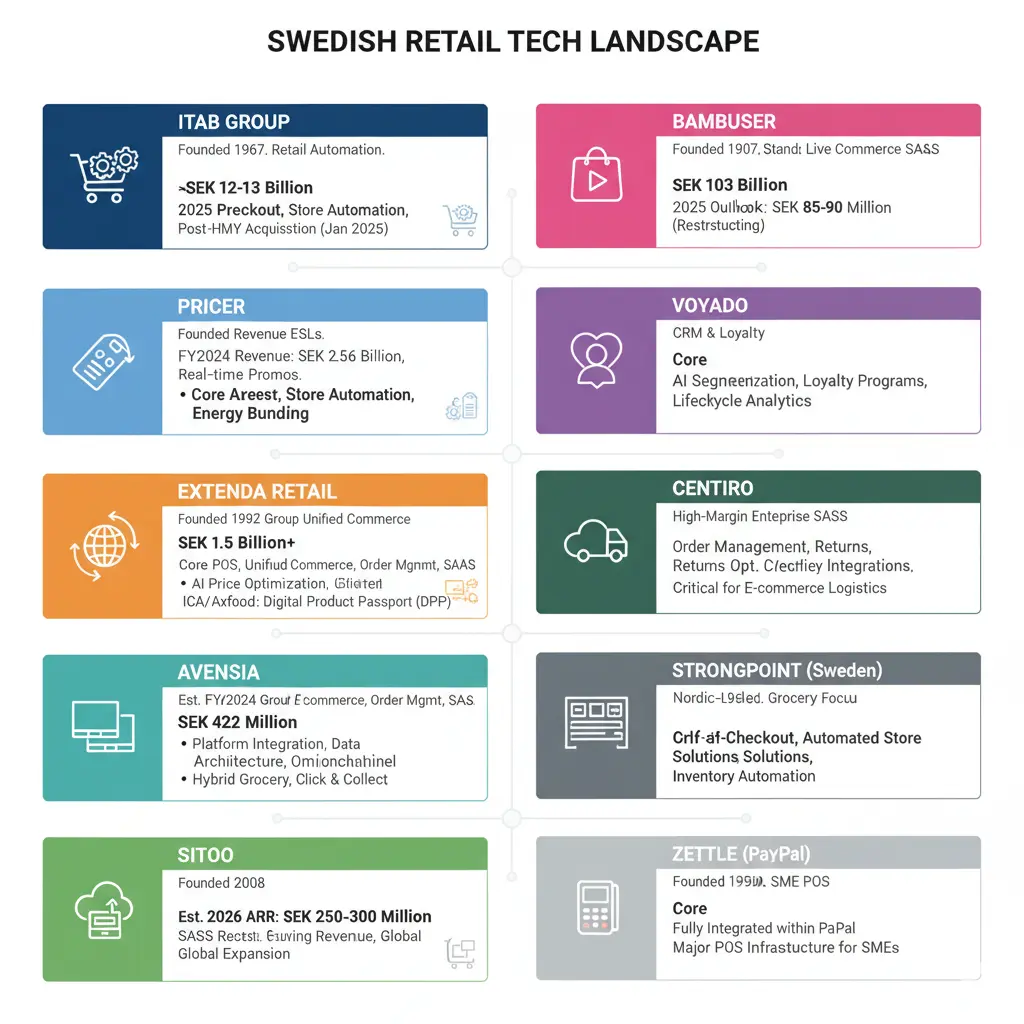
1. ITAB Group
ITAB was founded in 1967 in Jönköping. It grew from store fixture manufacturing into a full retail automation provider.
The turning point was the acquisition of HMY, completed in January 2025.
For Jan–Sep 2025, pro-forma net sales reached SEK 9.85 billion. The full-year 2025 trajectory places revenue comfortably in the SEK 12–13 billion range.
Core areas:
- Self-checkout systems
- Cash management
- Store automation
- Energy-efficient store concepts
Market structure: ITAB now exceeds the combined revenue of most other Swedish retail tech firms.
Strategic focus:
- Integration of HMY.
- Global expansion.
- Automation bundling.
2. Pricer
Pricer was founded in 1991. It is Sweden’s largest pure-play electronic shelf label supplier.
FY2024 revenue was SEK 2.56 billion. LTM Q3 2025 revenue was about SEK 2.2 billion.
Revenue softened from its 2024 peak. Order intake and gross margins improved into 2026.
Core technology:
- ESL infrastructure
- Cloud-connected digital pricing
- Real-time promotional updates
Structural relevance: AI-driven price optimisation is increasingly part of Pricer’s cloud ecosystem.
Retail chains such as ICA and Axfood are expanding ESL-linked automation. CapEx priorities are shifting toward pricing agility.
3. Extenda Retail
Extenda was founded in 1982. It grew from Swedish POS systems into a global unified commerce provider.
Estimated group revenue scale is SEK 1.5bn+ (industry consensus FY2024).
Core:
- POS platforms
- Unified commerce systems
- Order management
- SaaS architecture
Market reach: Operations across 35+ countries.
Compliance relevance: It supports Digital Product Passport (DPP) data integration at store level.
4. Avensia
Avensia was founded in 2008 in Lund.
FY2024 revenue was SEK 422 million. LTM 2025 revenue was about SEK 432 million.
Core services:
- Commerce platform integration
- Retail data architecture
- Omnichannel transformation
Operational impact: It supports hybrid grocery models and click-and-collect systems.
5. Sitoo
Sitoo was founded in 2008 in Stockholm. It is a private company focused on cloud-native POS.
Estimated ARR scale is SEK 250–300 million entering 2026.
Market view: It is often cited as the fastest-growing cloud POS provider in the Nordics.
Strategic direction: SaaS-based recurring revenue and international expansion.
6. Bambuser
Bambuser was founded in 2007. It pivoted from live streaming into retail live commerce SaaS.
FY2024 revenue was SEK 103 million. The 2025 outlook is SEK 85–90 million amid restructuring.
Strategic shift: It is moving toward high-margin enterprise SaaS contracts. It is moving away from broad consumer volume growth.
7. Voyado
Voyado was founded in 2005. It is a private CRM and loyalty technology company.
Revenue is not publicly disclosed.
Market perception: It is considered the Nordic market standard for fashion and specialty retail CRM.
Core:
- AI-driven segmentation
- Loyalty programs
- Customer lifecycle analytics
8. Centiro
Centiro was founded in 1998 in Borås.
Focus:
- Order management
- Returns optimisation
- Carrier integrations
It supports more than 300 global brands.
Role in retail: It is critical in logistics-heavy e-commerce operations.
9. StrongPoint (Sweden Operations)
StrongPoint is a Nordic-listed provider with strong Swedish grocery deployments.
Core:
- Self-checkout
- Automated store solutions
It is often aligned with inventory automation initiatives.
10. Zettle (PayPal)
Zettle was founded in Stockholm in 2010. It is now fully integrated within PayPal.
Standalone Sweden revenue is not separable.
Market impact: It is a major POS infrastructure provider for SMEs.
Market Structure Impact
Revenue concentration in 2026 is decisive.
ITAB’s scale after the HMY integration creates a hardware-dominant structure. Software-driven firms have lower absolute revenue. They run higher-margin SaaS models.
The market now reflects:
- Hardware scale leadership
- Software recurring revenue specialists
Category Dominance Trends
- Electronic Shelf Labels: Pricer remains Sweden’s flagship ESL provider.
- Unified Commerce: Extenda and Sitoo drive SaaS transformation.
- Store Automation: ITAB and StrongPoint support inventory and checkout automation.
- CRM & Loyalty: Voyado defines Nordic data-driven retail engagement.
- Live Commerce: Bambuser reflects the post-pandemic normalisation of live retail.
AI Efficiency & CapEx Drivers (2026 Shift)
Automation in 2026 is increasingly AI-driven.
Retailers prioritise:
- AI-based price optimisation integrated with ESL platforms
- Automated replenishment systems
- Data-driven checkout staffing models
Investment cycles in Swedish grocery now focus on measurable efficiency returns. They no longer focus on expanding physical store space.
Sustainability & Digital Product Passport Impact
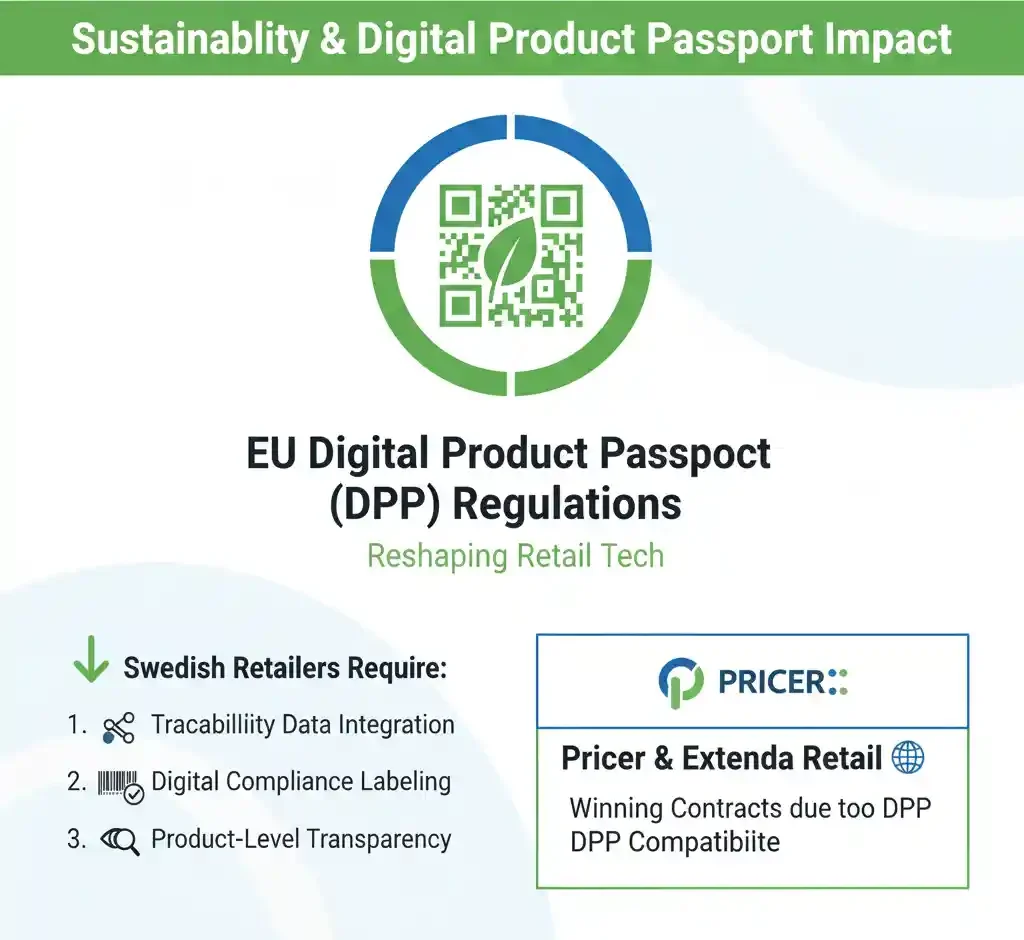
EU Digital Product Passport (DPP) regulations are reshaping retail tech procurement.
Swedish retailers require:
- Traceability data integration
- Digital compliance labelling
- Product-level transparency
Technology providers such as Pricer and Extenda are winning contracts partly due to DPP compatibility.
Sustainability compliance is no longer CSR positioning. It is regulatory necessity.
Industry Outlook 2026–2028
Three structural forces define the next phase:
- Hardware-software integration
- AI-driven automation
- Regulatory compliance technology
Swedish retail technology companies increasingly export solutions across Europe and North America.
Domestic grocery groups remain anchor clients. Growth trajectories are international.
Frequently Asked Questions
Which retail technology company ranks first in Sweden?
ITAB Group ranks first. Its full-year 2025 trajectory places revenue in the SEK 12–13 billion range after the HMY acquisition.
What does Pricer do?
Pricer is Sweden’s largest pure-play electronic shelf label supplier. Its FY2024 revenue was SEK 2.56 billion.
How is the Digital Product Passport affecting retail technology?
EU Digital Product Passport (DPP) regulations are reshaping retail tech procurement. Swedish retailers require traceability data integration, digital compliance labelling and product-level transparency.
Conclusion
The leading retail tech companies Sweden hosts show a clear revenue hierarchy in 2026.
- ITAB dominates following the HMY integration.
- Pricer anchors digital pricing infrastructure.
- Mid-sized SaaS firms such as Sitoo and Voyado drive recurring revenue innovation.
Automation, AI integration and regulatory compliance are now embedded priorities across the Sweden supermarket landscape. There, efficiency gains are closely tied to margin protection.
The same investment cycle is reshaping the wider Sweden FMCG environment. Digital pricing, traceability systems and data-driven replenishment are becoming structural requirements. They are no longer optional upgrades.
Editor’s Note: Financial data is based on publicly available FY2024 and LTM/Q3 2025 company disclosures. Private company figures are industry estimates where clearly indicated. All revenue values are presented in SEK with no currency conversion applied.