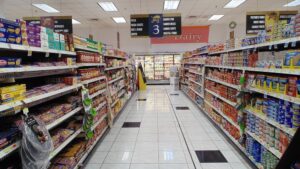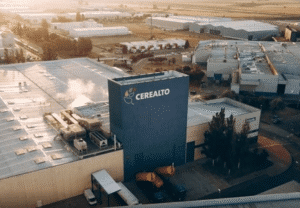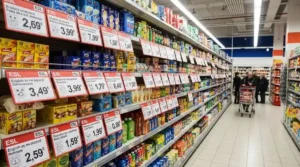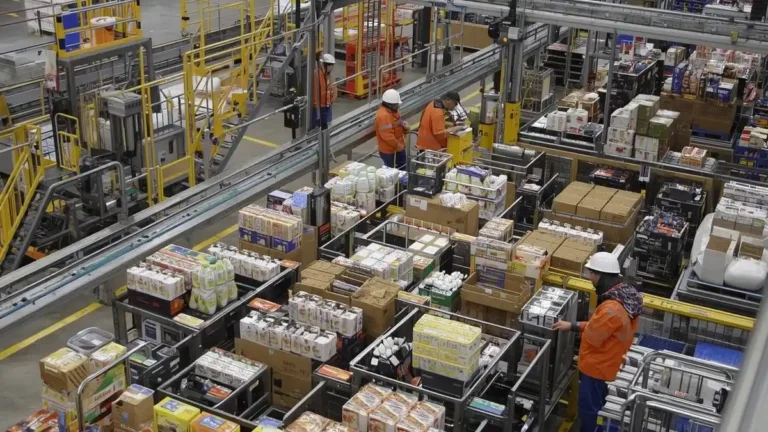

Germany hosts some of Europe’s most influential consumer goods manufacturers, supplying supermarkets, drugstores and discount chains across the continent.
The top FMCG companies in Germany by revenue include:
- Henkel
- Theo Müller Group
- Beiersdorf
- Südzucker
- Dr. Oetker
- Tchibo
- Haribo
- August Storck
- KRÜGER GROUP
- Ritter Sport
Together these companies represent the core of Germany’s fast-moving consumer goods ecosystem. They span dairy, personal care, packaged foods, confectionery and household products.
The ranking below is based on the latest available company disclosures, prioritising FY2024 and FY2025 figures where published. Clearly labelled estimates are used for privately owned companies that do not release audited financial results.
Top 10 FMCG companies in Germany by revenue
| Rank | Company | Headquarters | Latest Revenue | Fiscal Year | Data Status |
|---|---|---|---|---|---|
| 1 | Henkel | Düsseldorf | €21.6 billion | FY2024 | Confirmed |
| 2 | Theo Müller Group | Aretsried | €10.4 billion | 2025 | Preliminary |
| 3 | Beiersdorf | Hamburg | €9.9 billion | FY2024 | Confirmed |
| 4 | Südzucker | Mannheim | €9.7 billion | FY2024/25 | Preliminary |
| 5 | Dr. Oetker (Food Division) | Bielefeld | €4.3 billion | FY2024 | Confirmed |
| 6 | Tchibo | Hamburg | €3.36 billion | FY2024 | Confirmed |
| 7 | Haribo | Bonn | ~€3 billion | Latest estimate | Industry estimate |
| 8 | August Storck | Berlin | ~€2.1 billion | Latest estimate | Industry estimate |
| 9 | KRÜGER GROUP | Bergisch Gladbach | ~€2.1–2.4 billion | Latest estimate | Industry estimate |
| 10 | Ritter Sport | Waldenbuch | €712 million | 2025 | Preliminary |
Revenue figures reflect the most recent publicly available information. For privately held companies that do not disclose full audited revenue, approximate ranges based on industry reporting are used.
1. Henkel
- Founded: 1876
- Headquarters: Düsseldorf, Germany
- FY Revenue: €21.6 billion (FY2024)
- Employees: ~50,000
Core Segments
- Laundry and home care
- Beauty and personal care
- Household cleaning products
- Adhesive technologies
Operational Relevance
Henkel is the largest German consumer goods group and one of Europe’s most important suppliers of household products to supermarkets and retail chains.
Brands such as Persil, Pril and Schwarzkopf appear widely in supermarket assortments across Europe and global markets.
The company’s manufacturing network supports large-scale production of detergents, cleaning products and personal care items. These categories remain essential components of supermarket consumer goods departments.
Market Position
Henkel operates at global scale and competes with multinational consumer goods producers such as Procter & Gamble and Unilever.
Its diversified business structure combines consumer brands with industrial adhesives. This provides stable revenue streams while maintaining strong retail presence.
Strategic Direction
Recent strategy has focused on integrating the company’s consumer businesses into a unified Henkel Consumer Brands division. This restructuring aims to streamline operations and improve product innovation. It also strengthens sustainability initiatives across packaging and manufacturing.
2. Theo Müller Group
- Founded: 1896
- Headquarters: Aretsried, Germany
- Revenue: €10.4 billion (2025 preliminary)
Core Segments
- Yogurt and dairy products
- Milk beverages
- Dairy desserts
- Dairy snacks
Operational Relevance
The Theo Müller Group is one of Europe’s largest dairy manufacturers and a major supplier to supermarkets across Germany and the United Kingdom.
Its yogurt and dairy dessert products are widely distributed through large retail chains.
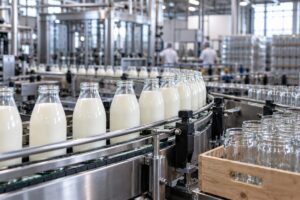
Extensive milk processing facilities allow the company to supply large volumes of chilled dairy products to retail distribution networks.
Market Position
The company holds strong positions in yogurt and dessert categories. It combines premium branded products with value-focused dairy offerings designed for supermarket competition.
Strategic Direction
Theo Müller Group continues expanding its dairy portfolio and developing new high-protein dairy snacks. The company has also increased investment in sustainable dairy sourcing and environmentally responsible packaging.
3. Beiersdorf
- Founded: 1882
- Headquarters: Hamburg, Germany
- FY Revenue: €9.9 billion (FY2024)
- Employees: ~22,000
Core Segments
- Skincare products
- Personal care brands
- Dermatological treatments
- Consumer health products
Operational Relevance
Beiersdorf produces globally recognised personal care brands including Nivea, Eucerin and Hansaplast. These products are widely distributed through supermarkets, pharmacies and drugstores across international markets.
The company’s global production network supports high-volume retail distribution. It also maintains strong product innovation in skincare categories.
Market Position
Nivea remains one of the most widely recognised skincare brands worldwide. This helps Beiersdorf maintain strong positions within the competitive global personal care market.
Strategic Direction
Beiersdorf continues investing in dermatological research, premium skincare development and sustainable packaging solutions as consumer demand shifts toward science-based personal care products.
4. Südzucker
In October 2026, Südzucker warned of lower sugar production after drought and crop disease weakened European beet yields, putting additional pressure on factory utilisation.
- Founded: 1926
- Headquarters: Mannheim, Germany
- FY Revenue: €9.7 billion (FY2024/25)
Core Segments
- Sugar production
- Food ingredients
- Bioethanol production
- Fruit preparations
Operational Relevance
Südzucker is Europe’s largest sugar producer and an important supplier to the food manufacturing sector. Its ingredients are widely used in confectionery, beverage and bakery products sold through supermarkets.
The company’s agricultural supply chain connects European farming networks with food manufacturers producing packaged consumer goods.
Market Position
Through subsidiaries including BENEO and CropEnergies, Südzucker operates across multiple food ingredient categories that support packaged food production across Europe.
Strategic Direction
The company continues expanding into plant-based ingredients, alternative proteins and bio-based industrial materials while investing in renewable energy initiatives.
5. Dr. Oetker (Food Division)
- Founded: 1891
- Headquarters: Bielefeld, Germany
- Revenue: €4.3 billion (FY2024)
Core Segments
- Frozen pizza
- Baking products
- Desserts and puddings
- Packaged convenience foods
Operational Relevance
Dr. Oetker is one of Europe’s most recognisable packaged food manufacturers. Its frozen pizza and baking ingredients are staple products in supermarket assortments across many markets.
The company operates production facilities across several countries, supplying supermarkets with packaged foods and baking products.
Market Position
Dr. Oetker maintains strong market positions in frozen pizza and home baking categories across European retail markets.
Strategic Direction
The company is expanding plant-based product development and investing in sustainable packaging technologies across its food production network.
6. Tchibo
- Founded: 1949
- Headquarters: Hamburg, Germany
- Revenue: €3.36 billion (FY2024)
Core Segments
- Coffee production
- Consumer retail goods
- Household products
Operational Relevance
Tchibo is one of Germany’s largest coffee producers. It supplies packaged coffee products to supermarkets and specialty retail stores across Europe.
Market Position
The company combines coffee production with retail merchandise, creating a diversified consumer goods business model.
Strategic Direction
Tchibo continues expanding premium coffee ranges and strengthening sustainability initiatives within its coffee sourcing network.
7. Haribo
- Founded: 1920
- Headquarters: Bonn, Germany
- Revenue: about €3 billion (industry estimate)
Core Segments
- Gummy candy
- Fruit sweets
- Licorice confectionery
Operational Relevance
Haribo produces globally recognised confectionery products including Goldbears. Its candy products are distributed through supermarkets and retail chains in more than 100 countries.
Market Position
The company remains one of the largest confectionery manufacturers in Europe and a key supplier to global retail markets.
Strategic Direction
Haribo continues expanding international production facilities and strengthening global distribution networks.
8. August Storck
- Founded: 1903
- Headquarters: Berlin, Germany
- Revenue: about €2.1 billion (industry estimate)
Core Segments
- Chocolate confectionery
- Candy products
- Seasonal sweets
Operational Relevance
August Storck manufactures globally recognised confectionery brands including Werther’s Original and Toffifee.
Market Position
The company maintains strong positions in chocolate and candy markets across Europe and international retail networks.
Strategic Direction
Storck continues expanding its international distribution while investing in new confectionery product development.
9. KRÜGER GROUP
- Founded: 1971
- Headquarters: Bergisch Gladbach, Germany
- Revenue: about €2.1–2.4 billion (industry estimate)
Core Segments
- Instant beverages
- Chocolate powder products
- Nutritional supplements
- Private-label consumer foods
Operational Relevance
KRÜGER GROUP produces both branded and private-label products supplied to supermarkets across Europe. Its manufacturing network supports large-scale production for retailer store brands.
Market Position
The company plays an important role in Europe’s private-label manufacturing ecosystem.
Strategic Direction
KRÜGER GROUP continues expanding beverage and nutritional product categories while strengthening international distribution partnerships.
10. Ritter Sport
- Founded: 1912
- Headquarters: Waldenbuch, Germany
- Revenue: €712 million (2025 preliminary)
Core Segments
- Chocolate products
- Confectionery bars
- Seasonal chocolate products
Operational Relevance
Ritter Sport is one of Germany’s best-known chocolate brands and supplies its square chocolate bars to supermarkets worldwide.
Market Position
The brand has strong recognition in European retail markets and continues expanding export markets.
Strategic Direction
The company continues investing in sustainable cocoa sourcing and environmentally responsible chocolate production.
Germany’s FMCG Manufacturing Landscape
Germany’s consumer goods sector combines multinational corporations with long-established family-owned companies.
This mix reflects the country’s industrial tradition. Regional manufacturers gradually expanded into global brands while maintaining strong domestic production bases.
The “Mittelstand” Backbone
Unlike some consumer goods markets dominated by a few multinational corporations, Germany’s FMCG industry relies heavily on medium-sized family-owned businesses. These are often described as the Mittelstand.
Companies such as Haribo, Storck and Ritter Sport illustrate this model. These businesses operate with global distribution networks while retaining long-term strategic planning typical of privately held firms.
Strategic Centrality in Europe
Germany’s location in central Europe also strengthens its role in consumer goods production.
Major logistics corridors include the Rhine river system and extensive motorway infrastructure. These allow manufacturers to distribute products efficiently across European markets.
Ingredient producers such as Südzucker further reinforce this ecosystem by supplying food manufacturers across the continent.
Private Label and Retail Supply Chains
Private-label products are particularly important within Germany’s grocery sector.
Supermarket chains such as Aldi, Lidl, Edeka and Rewe operate strong store-brand portfolios that compete directly with branded consumer goods.
Many German manufacturers therefore produce both branded and private-label products. Companies such as KRÜGER GROUP and Theo Müller Group supply goods that appear under both manufacturer brands and supermarket labels.
This structure allows retailers to maintain competitive pricing while ensuring reliable product supply from established manufacturers.
Sustainability and Innovation in German Consumer Goods
Sustainability has become a central strategic priority for European consumer goods manufacturers.
German FMCG companies are investing in recyclable packaging materials, renewable energy production and lower-carbon manufacturing processes.
Food producers are also exploring plant-based product development and alternative ingredients as consumer demand shifts toward more sustainable food systems.
Digital manufacturing technologies are another area of investment. They help producers improve production efficiency while maintaining product quality.
Frequently Asked Questions
Which is the largest FMCG company in Germany by revenue?
Henkel ranks first, with €21.6 billion in FY2024 revenue. Theo Müller Group follows with €10.4 billion (2025 preliminary).
How are revenues for private companies shown?
Privately held companies that do not publish audited results are shown with approximate ranges based on industry reporting. Haribo, August Storck and KRÜGER GROUP are marked as industry estimates.
Why is private label important for German manufacturers?
Aldi, Lidl, Edeka and Rewe run strong store-brand portfolios. Many German manufacturers, such as KRÜGER GROUP and Theo Müller Group, supply both their own brands and supermarket labels.
Conclusion
The top FMCG companies in Germany by revenue demonstrate the strength and diversity of the country’s consumer goods manufacturing sector.
From multinational personal care companies to long-established family-owned confectionery producers, these manufacturers supply essential products to retailers across Europe and global markets.
Their operations are closely connected with the broader German supermarket ecosystem, where major chains depend on reliable domestic manufacturers for consistent product supply.
Germany’s strong industrial infrastructure, advanced logistics networks and deep manufacturing expertise continue to support the growth of its consumer goods industry. Many producers also play an important role in the expansion of German private label products, manufacturing goods that appear under supermarket store brands.
At the same time, collaboration with German packaging specialists helps manufacturers develop more sustainable product formats as environmental standards continue to evolve.
As sustainability requirements and changing consumer preferences reshape the sector, German FMCG companies are investing in innovation. They are also investing in responsible sourcing and modernised production systems that support the future of Europe’s grocery supply chain.
Editor’s Note: Information in this article is based on publicly available company disclosures, annual reports and corporate information. Revenue figures prioritise FY2024 and FY2025 disclosures where available. For privately held companies that do not publish audited financial results, approximate revenue ranges based on industry reporting are used.
All revenue figures are presented in euros (€).