
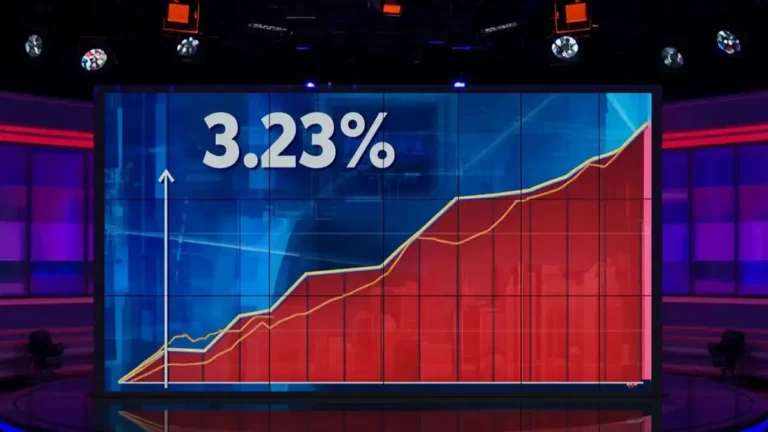

Consumer prices in the UK rose 3.3% in the 12 months to March 2026, up from 3.0% in February, according to official data released on 22 April 2026. The Consumer Prices Index including owner occupiers’ housing costs (CPIH) also increased to 3.4%, driven mainly by transport and food-related price pressures.
On a monthly basis, CPI rose by 0.7% in March 2026, compared with 0.3% a year earlier. CPIH rose by 0.6% over the same period.
The figures show renewed pressure across essential household spending, particularly in transport fuel costs and food items sold in supermarkets.
Food inflation climbs as grocery pressures build
Food and non-alcoholic beverage prices rose by 3.7% in the 12 months to March 2026, up from 3.3% in February. Monthly prices also increased by 0.3%.
According to the data, the upward movement was linked to categories including chocolate and confectionery, meat, fish, and soft drinks. These gains were partly offset by softer movements in bread, cereals, and dairy products.
For supermarkets and grocery retailers, food inflation remains one of the most closely watched indicators, as it continues to influence basket costs and consumer buying behaviour.
Transport and fuel costs lead overall inflation rise
Transport was the biggest driver of the monthly increase in inflation. Prices in the sector rose 4.7% year on year in March 2026, up sharply from 2.4% in February.
Motor fuels were the key factor behind the rise. Petrol prices increased by 8.6 pence per litre between February and March 2026, while diesel rose by 17.6 pence per litre. This pushed motor fuel inflation to 4.9% annually, compared with a fall of 4.6% the previous month.
Clothing prices fall, partially offsetting inflation
Clothing and footwear provided a downward contribution to inflation. Prices fell 0.8% in the 12 months to March 2026, compared with a rise of 0.9% in February. This marked the weakest rate since March 2021.
The decline reflects more subdued pricing patterns in seasonal retail ranges and discount activity across fashion categories.
Key inflation indicators – March 2026
| Category | Annual change (CPIH) | Monthly change |
|---|---|---|
| All items CPIH | 3.4% | 0.6% |
| All items CPI | 3.3% | 0.7% |
| Food & non-alcoholic beverages | 3.7% | 0.3% |
| Transport | 4.7% | 2.4% |
| Clothing & footwear | -0.8% | 0.6% |
| Housing & household services | 4.3% | 0.4% |
| Restaurants & hotels | 4.0% | 0.7% |
Supermarket and household impact
Food and housing remain key pressure points for households, with food inflation accelerating and housing-related services rising 4.3% annually. While energy and fuel costs remain volatile, they continue to influence wider retail pricing trends across grocery supply chains.
Transport-linked costs, particularly fuel, also affect logistics and distribution expenses for supermarkets, adding indirect pressure on shelf prices.
Outlook
The data suggests inflation is still above target levels, with mixed signals across categories. Food remains firmly in positive inflation territory, while non-food retail sectors such as clothing show weaker pricing momentum.
Further updates are expected when the next release is published on 20 May 2026.
Editor’s Note: This report is based on official CPI and CPIH data from the Office for National Statistics, released on 22 April 2026. All figures are taken directly from the March 2026 bulletin.