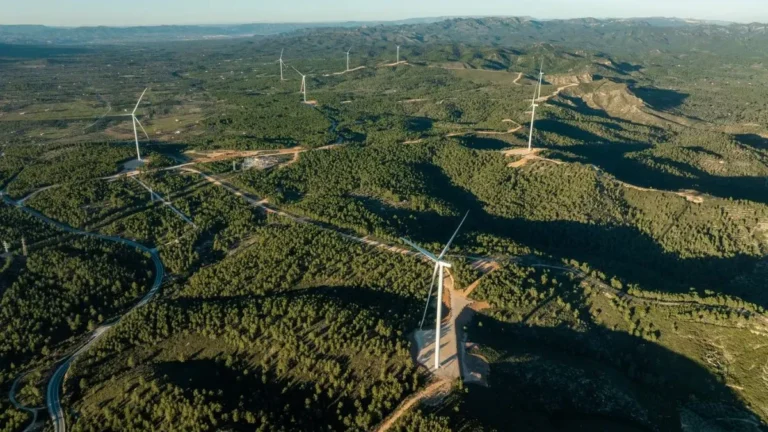

PepsiCo has signed a 10-year renewable energy agreement with Givaudan, Smurfit WestRock and Statkraft to reduce emissions across its European supply chain.
The agreement, announced on April 28, 2026, is based on a Virtual Power Purchase Agreement (VPPA) linked to a wind energy asset in Spain. It forms part of PepsiCo’s pep+ REnew programme, which focuses on cutting emissions beyond its own operations.
The project is expected to reduce around 32,000 metric tons of CO₂ emissions per year across participating companies’ value chains.
This marks the first renewable electricity cohort in Europe under the pep+ REnew programme and the second globally.
PepsiCo acted as the lead buyer, combining energy demand with key suppliers Givaudan and Smurfit WestRock. The model allows companies to access long-term renewable energy contracts that would normally be difficult to secure individually.
The wind asset involved in the agreement will be upgraded with more efficient turbines. Existing grid infrastructure will be reused, helping speed up deployment while limiting additional environmental impact.
The deal supports PepsiCo’s wider climate targets, including a 42% reduction in Scope 3 Energy & Industry emissions and a 30% cut in Scope 3 Forest, Land & Agriculture emissions by 2030.
For suppliers, the agreement signals a shift toward shared responsibility for emissions across the full FMCG value chain. Packaging and ingredient partners are increasingly being brought into long-term sustainability programmes led by global brands.
The structure of the agreement also highlights a growing trend in Europe, where manufacturers, packaging companies, and food suppliers collaborate to secure renewable energy at scale.
Why It Matters
For supermarket supply chains, the impact is indirect but clear. Large FMCG companies are pushing emissions targets deeper into supplier networks, including packaging and ingredient production.
That shift is already visible in markets like Spain packaging, where renewable energy sourcing is becoming part of how suppliers compete for contracts.
Over time, this can influence sourcing decisions, cost structures, and supplier selection, especially as retailers face growing pressure on sustainability reporting.
Editors’ Note: Based on official company announcement from PepsiCo and partner companies, April 2026.