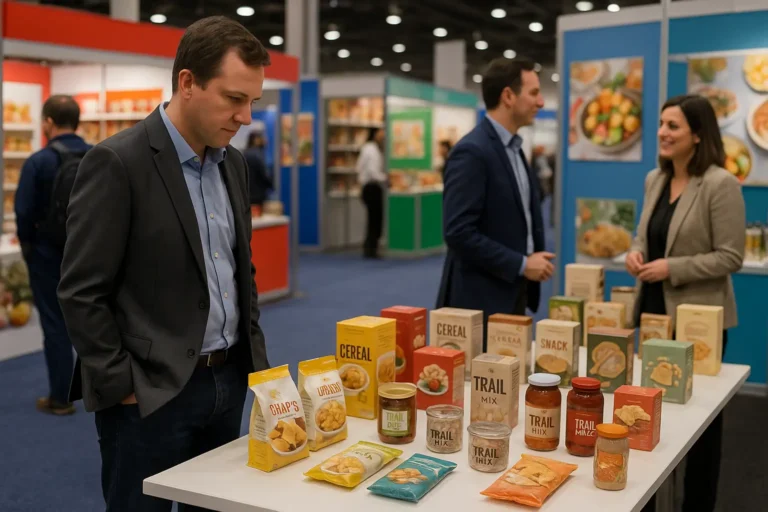

When Canadian grocery buyers walk the aisles of international food expos, they move with a checklist in their heads. They are not there to discover a new sauce, snack, or frozen meal. They are there to see which suppliers are ready for the Canadian market — and which are not. Taste and branding matter, but Canadian retail buyer expectations are much more practical. Buyers are considering shipping distances, label compliance, warehouse handling, and whether the product can withstand a long, cold chain across a large country.
For any producer hoping to enter Canada, understanding these expectations early makes the first conversation smoother and more productive.
Packaging Must Be Ready For Real Movement
The first conversation almost always turns to packaging. If the packaging is weak, oversized, awkward to stack, or unclear on the shelf, the discussion usually ends quickly. Canadian supply chains involve long journeys: trucks, distribution centers, re-palletizing, back-of-store storage, and then retail display. The packaging has to cope with all of that without damage.
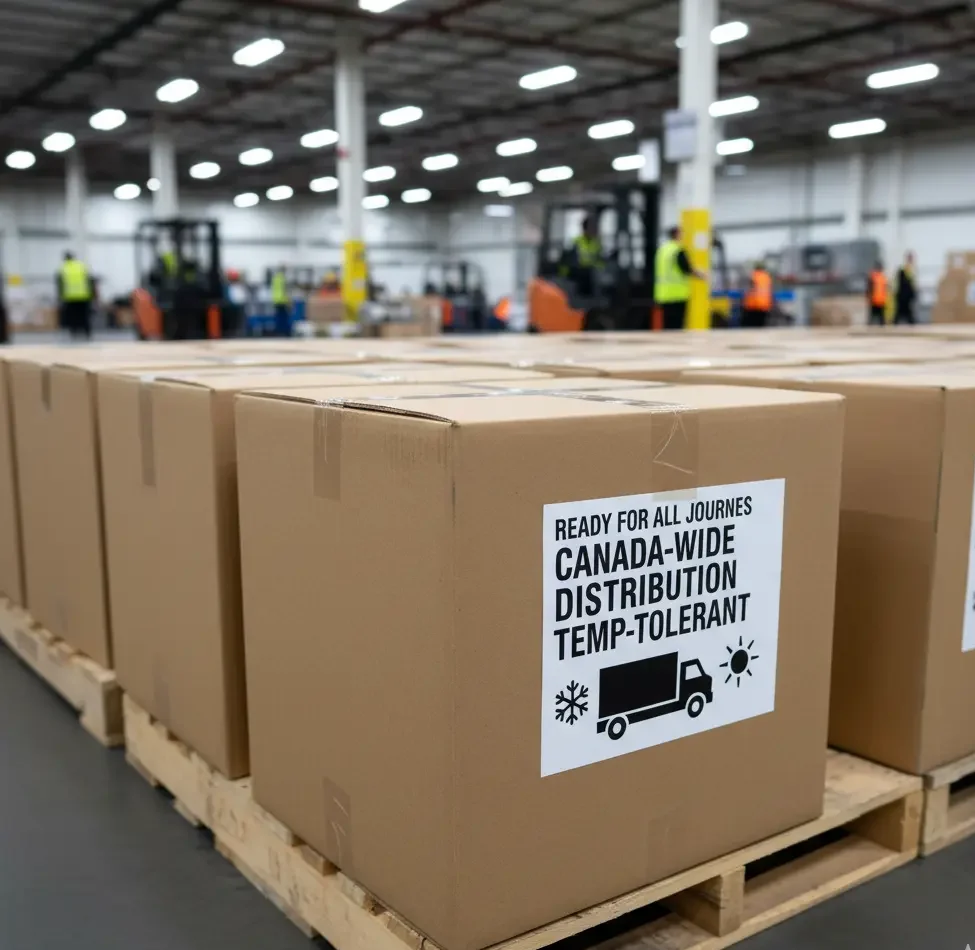
Buyers often ask how the package performs on long routes or in mixed-temperature environments. A product that works well in a small local market may face challenges in Canada due to distance and additional handling steps. Suppliers who can explain how the packaging behaves during shipping earn trust faster.
Bilingual Labels Are A Non-Negotiable
The next issue is language. In Canada, most consumer packaged foods require bilingual labels — English and French. This is not a suggestion. It is standard. Canadian retailers want packaging that meets this rule before the product lands in the country, not later during label correction.
A supplier does not need final bilingual artwork at the trade show. But they do need to show that they understand how labeling will change, where text will sit, and how layout will remain clear once both languages appear. Buyers avoid companies that treat bilingual labeling as something they will “figure out later.” That usually signals delays and risk.
Shelf Life Needs To Match Canada’s Geography
Canada is a large country. A product may need to travel thousands of kilometers before it reaches store shelves. This makes shelf life a critical part of every conversation. Buyers want to know not only the stated shelf life but also how the product behaves when it experiences minor temperature or humidity variations during transit.
Brands that rely on laboratory shelf-life numbers without real-world shipping tests often have to reassess later. Canadian buyers have seen products break too many times during winter and summer transport. When a supplier brings validated shelf-life data, they stand out. It signals that they understand the market and respect what is required to succeed in it.
Pallet And Case Configuration Must Support Warehouse Flow
Every Canadian retailer has a warehouse network designed for efficiency, and how a product sits on a pallet matters. Case size matters. The way cases open issues. If something slows down warehouse teams or increases the number of handling steps, it becomes expensive.
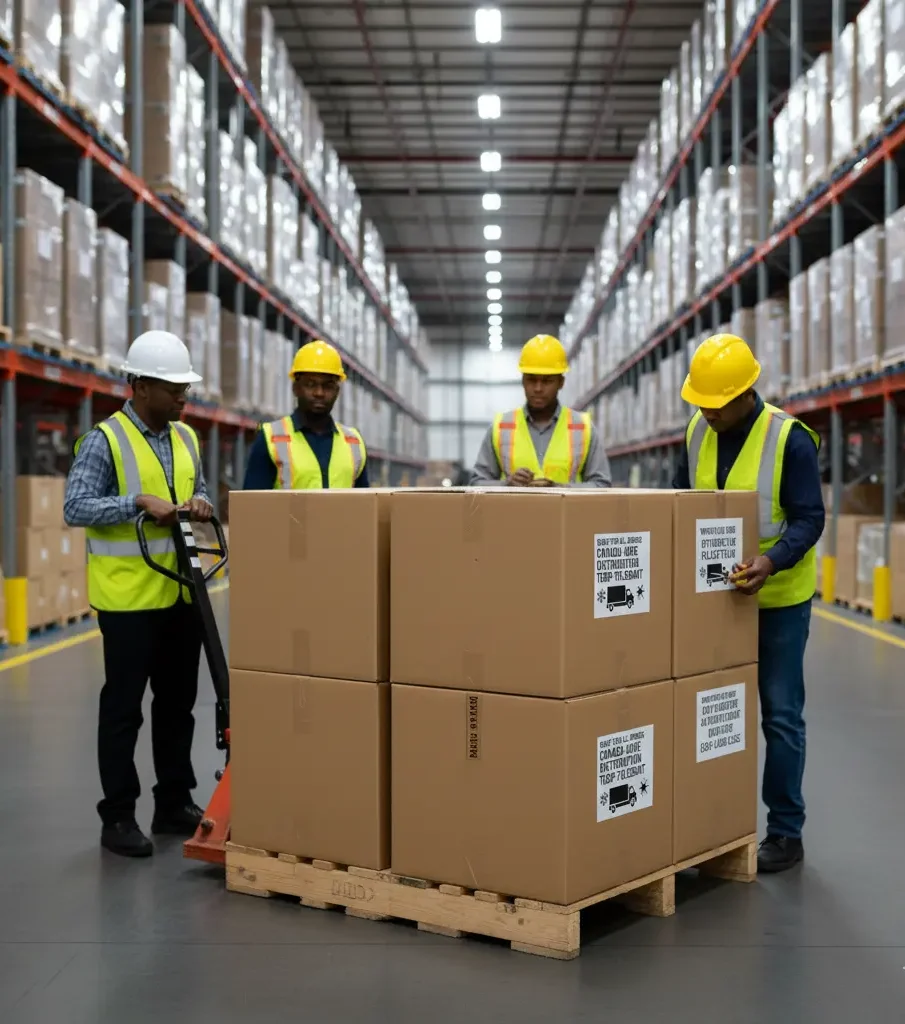
This is why buyers ask questions about pallet height, case direction, and how many units sit inside a consumer case. They are not being difficult. They are trying to determine whether the product can flow smoothly through their system without slowing anything. A supplier who can explain pallet readiness is easier to onboard than one who has only thought about taste and marketing.
Retail Support Matters After The Listing
Getting listed is not the finish line. Canadian retailers expect activation and support. That may include introductory pricing, store sampling, online engagement, or seasonal promotions. Buyers do not expect huge budgets from smaller suppliers, but they do expect realistic plans. They want to see that the supplier understands that products need help to move off the shelf, especially in the first few months.
A good first step is simply being ready to communicate regularly and adjust plans based on performance. Consistency matters more than a single promotion.
Documentation Should Be Organized Early
Even when the product is exciting, buyers look at the documentation: ingredients, nutritional panels, allergen statements, certificates of origin, and compliance confirmations. When a supplier has these documents organized and ready to share, it signals stability. It means fewer surprises later. Suppliers who cannot provide documentation quickly often fall off the shortlist.
How Conversations Usually Move Forward
If a buyer sees potential and believes the supplier understands Canadian retail requirements, the following steps are slow but structured. First comes sample testing under local conditions. Then, there are packaging adjustments. Then, cost discussions include transport and duties. Then, a controlled rollout, often beginning with a regional retailer or a limited-time seasonal listing.
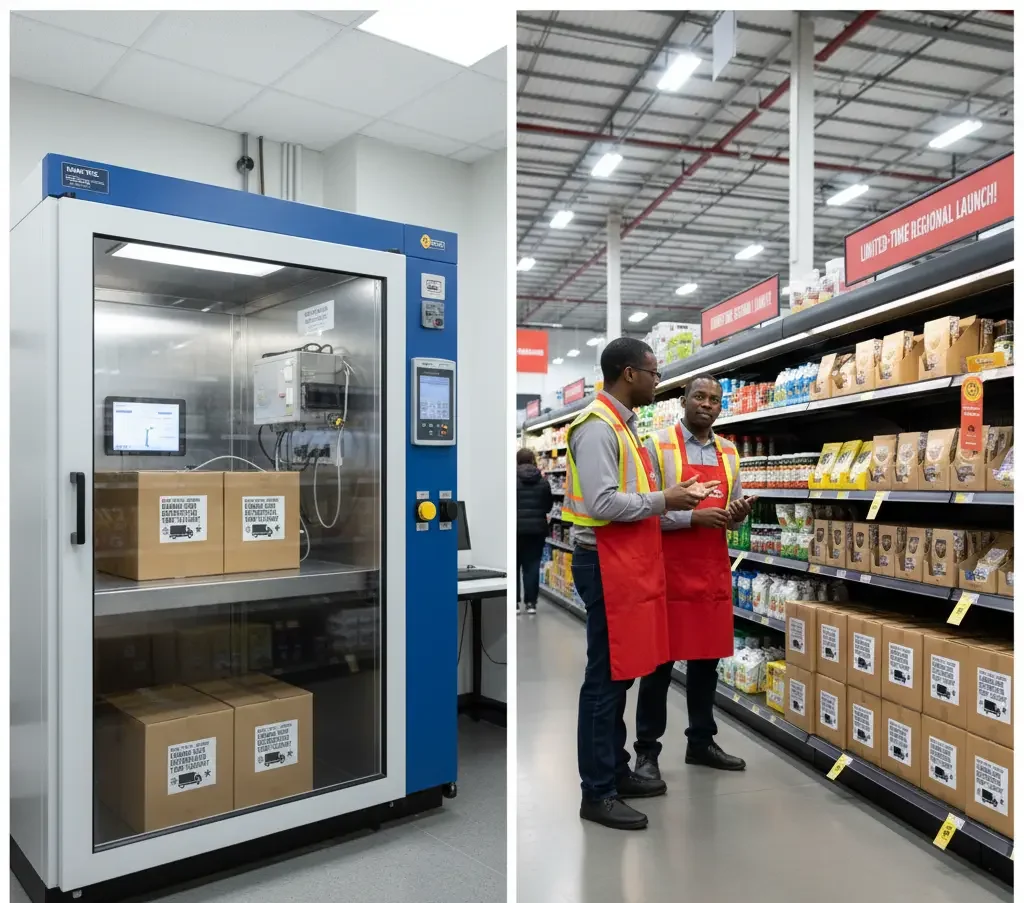
Canadian retail growth is steady rather than fast. It rewards reliability and preparation.
A Clear Message For International Producers
The Canadian market is open to new flavors and global producers, but it expects them to be ready. Canadian retail buyer expectations are built around the realities of distance, regulation, and competitive shelf space. When suppliers understand packaging durability, bilingual compliance, realistic shelf life, and warehouse flow, the conversation becomes easier. Buyers become more comfortable. Trust builds.
The product still has to taste good. The brand still needs a story. But in Canada, the products that succeed are the ones that work in the system as well as they work on the shelf.