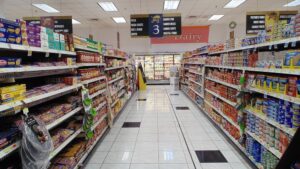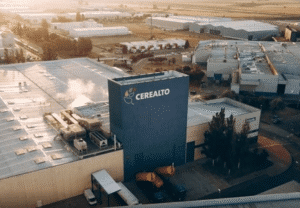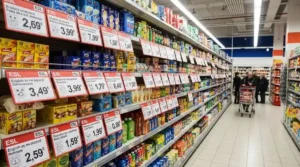

Poland has become one of Europe’s most important food manufacturing and export hubs.
The country supplies supermarkets across the European Union with a wide range of products:
- dairy products
- meat
- bakery goods
- frozen foods
- confectionery
- fresh produce
- private label products
Over the past two decades, Poland has transformed itself into a major food-processing powerhouse. It combines large-scale production with competitive manufacturing costs and growing international demand.
Many suppliers hope to secure shelf space with Biedronka, Lidl Polska, Dino Polska, Carrefour Polska, Auchan Polska and other retailers. For them, food certification has become a basic requirement.
Certification is no longer simply about meeting legal obligations. It helps suppliers show food safety, traceability, consistency, operational control and export readiness. It also gives retailers confidence that products meet recognised standards.
This article examines the top food safety certifications used across Poland’s grocery industry. It also answers a key supplier question:
Which certifications do suppliers actually need to sell to Polish supermarkets?
How Poland Differs from Other European Markets
Every European food market has its own certification priorities:
- Germany is heavily influenced by retailer audits and IFS Food.
- Ireland focuses strongly on agricultural assurance schemes and export credibility.
- Spain relies heavily on GlobalG.A.P. because of its fresh produce exports.
Poland is different.
The country is one of Europe’s largest centres for:
- food manufacturing
- meat processing
- dairy production
- bakery products
- frozen foods
- private label manufacturing
As a result, certification is closely linked to:
- manufacturing quality
- export competitiveness
- retailer approval
- supply-chain transparency
- food safety management
For many businesses, certification serves as a passport to both domestic and international markets.
Quick Comparison: Food Certifications in Poland
| Certification | Polish Supermarkets | Export Markets | Manufacturing Value |
|---|---|---|---|
| IFS Food | Very High | High | Very High |
| BRCGS | High | Very High | High |
| FSSC 22000 | High | High | High |
| ISO 22000 | Medium | High | Medium |
| HACCP | Essential | Essential | Essential |
| GlobalG.A.P. | High | High | Medium |
| EU Organic Certification | Growing | High | Medium |
| Polish Organic Certification | Growing | Medium | Medium |
| Halal Certification | Growing | High | Medium |
| Kosher Certification | Growing | High | Medium |
At a Glance: Top 10 Food Safety Certifications in Poland
| Rank | Certification | Importance in Poland | Typical Users |
| 1 | IFS Food | Very High | Food manufacturers and private label suppliers |
| 2 | BRCGS | High | Exporters and processors |
| 3 | FSSC 22000 | High | Industrial food manufacturers |
| 4 | ISO 22000 | High | Food businesses and processors |
| 5 | HACCP | Essential | All food businesses |
| 6 | GlobalG.A.P. | High | Fresh produce suppliers |
| 7 | EU Organic Certification | Growing | Organic producers |
| 8 | Polish Organic Certification | Growing | Organic suppliers |
| 9 | Halal Certification | Growing | Meat exporters |
| 10 | Kosher Certification | Growing | Export-oriented manufacturers |
Why Food Certification Matters in Poland
Poland’s food industry exports products throughout Europe. It also exports more and more to markets in Asia, North America, Africa and the Middle East.
Certification helps suppliers demonstrate:
- food safety compliance
- quality assurance
- traceability
- operational consistency
- customer confidence
- retailer approval
This is particularly important in sectors such as:
- meat processing
- dairy manufacturing
- bakery production
- frozen foods
- confectionery
- fresh produce
- private label manufacturing
Retailers now place greater emphasis on supply-chain transparency. As a result, certification has become a critical commercial tool.
Deep Dive: The Certifications Shaping Polish Retail
1. IFS Food
IFS Food is arguably the most influential certification throughout Poland’s supermarket and private label sectors.
The standard is widely recognised across Europe. It is particularly important for manufacturers supplying retailers, wholesalers and private label programmes.
IFS Food focuses on:
- food safety
- quality management
- traceability
- operational controls
- supplier accountability
Typical users include:
- private label manufacturers
- dairy processors
- meat companies
- frozen food producers
- packaged food manufacturers
Why IFS Food Matters in Poland
Poland has become one of Europe’s leading private label manufacturing centres.
Many suppliers produce goods for multiple retailers across different countries. IFS Food helps show that production sites operate to internationally recognised food safety and quality standards.
2. BRCGS
BRCGS remains one of the most widely recognised food safety certifications used by Polish manufacturers.
The certification is particularly important for:
- exporters
- food processors
- packaging suppliers
- multinational manufacturers
- private label producers
BRCGS focuses on:
- food safety
- quality management
- traceability
- supplier accountability
- food safety culture
Why BRCGS Matters in Poland
Many Polish manufacturers export products to the United Kingdom and international retail markets.
BRCGS helps suppliers show compliance with globally recognised food safety standards. It also supports retailer approval and export growth.
3. FSSC 22000
FSSC 22000 has become increasingly important throughout Poland’s industrial food manufacturing sector.
The certification is commonly used by:
- dairy companies
- beverage manufacturers
- ingredient suppliers
- food processors
- multinational manufacturers
FSSC 22000 combines food safety management principles with sector-specific requirements. It is recognised by the Global Food Safety Initiative (GFSI).
Why FSSC 22000 Matters in Poland
Many large Polish food manufacturers operate across multiple international markets.
FSSC 22000 provides a structured framework supporting:
- food safety management
- risk control
- traceability
- operational consistency
- international customer requirements
For industrial manufacturers, it is often viewed as an effective certification for managing complex supply chains.
4. ISO 22000
ISO 22000 remains an important food safety management standard throughout Poland.
The certification helps organisations:
- manage food safety risks
- improve consistency
- strengthen compliance systems
- support operational controls
It is widely used by:
- processors
- ingredient suppliers
- logistics companies
- food manufacturers
5. HACCP
HACCP remains the foundation of food safety management throughout Poland’s food industry.
The system focuses on identifying and controlling food safety hazards before they affect consumers.
HACCP remains essential for:
- meat processors
- dairy suppliers
- bakery manufacturers
- frozen food producers
- fresh produce packers
HACCP provides the foundation. However, most major suppliers also hold additional third-party certifications.
6. GlobalG.A.P.
Poland is best known for manufacturing and food processing. Even so, agriculture remains a major part of the country’s food economy.
GlobalG.A.P. is particularly important for:
- apple growers
- berry producers
- vegetable exporters
- horticultural businesses
The certification focuses on:
- farm assurance
- traceability
- environmental management
- worker welfare
- responsible agricultural practices
Why GlobalG.A.P. Matters in Poland
Poland is one of Europe’s largest producers of apples. It is also an important exporter of berries and vegetables.
Many retailers expect fresh produce suppliers to show compliance with recognised farm assurance standards.
7. EU Organic Certification
Demand for organic food keeps growing across Poland and international markets. EU Organic Certification shows compliance with recognised European organic production standards.
The certification supports:
- organic farming
- traceability
- consumer confidence
- export opportunities
As consumer demand grows, organic certification is becoming increasingly valuable.
8. Polish Organic Certification
Organic products sold in Poland operate under EU organic regulations. However, certification is carried out by authorised certification bodies approved within the national system.
For suppliers, certification supports:
- market differentiation
- retailer confidence
- export readiness
- consumer trust
The organic sector keeps expanding as demand for sustainable food products grows.
9. Halal Certification
Halal certification is becoming increasingly important for Polish meat processors and food exporters.
The certification supports access to:
- Middle Eastern markets
- North African markets
- Muslim consumer segments globally
It is particularly relevant for meat, poultry and prepared food manufacturers.
10. Kosher Certification
Kosher certification remains an important specialist certification for some Polish manufacturers.
It is commonly used by:
- meat exporters
- ingredient suppliers
- beverage manufacturers
- processed food companies
For suppliers serving specialist international markets, kosher certification can provide additional commercial opportunities.
Which Certifications Do Polish Supermarkets Commonly Prefer?
Polish retailers do not operate under one universal certification requirement.
Requirements vary depending on:
- product category
- supplier risk profile
- retailer expectations
- private label involvement
- export exposure
However, certain certification systems have become widely recognised throughout Poland’s grocery sector.
| Retailer | Common Supplier Focus |
|---|---|
| Biedronka | Food safety, traceability, supplier verification |
| Lidl Polska | IFS Food, GlobalG.A.P., quality systems |
| Dino Polska | Food safety and supplier consistency |
| Carrefour Polska | GFSI-recognised certification programmes |
| Auchan Polska | Quality management and traceability |
These examples reflect common industry practices rather than formal universal certification requirements.
Recommended Certification Path by Supplier Type
Different sectors face different customer expectations. The most suitable certification often depends on the products being supplied and the markets being targeted.
| Supplier Type | Primary Certification Priorities |
| Private Label Manufacturer | IFS Food or BRCGS |
| Meat Processor | IFS Food, HACCP, Halal |
| Dairy Manufacturer | FSSC 22000, IFS Food |
| Fresh Produce Grower | GlobalG.A.P. |
| Organic Producer | EU Organic Certification |
| Export-Oriented Manufacturer | BRCGS, IFS Food |
| Ingredient Supplier | FSSC 22000 or ISO 22000 |
| Frozen Food Manufacturer | IFS Food, BRCGS |
Poland’s Most Certification-Driven Food Sectors
Meat Processing
Poland is one of Europe’s largest meat producers and exporters.
Food safety certification plays a critical role in maintaining customer confidence. It also supports access to international markets.
To support both domestic and export sales, manufacturers increasingly rely on:
- IFS Food
- HACCP
- Halal Certification
- Kosher Certification
Dairy Manufacturing
Poland’s dairy industry continues expanding internationally.
Certification helps demonstrate:
- food safety
- traceability
- operational consistency
- export readiness
FSSC 22000 and IFS Food are particularly important across the sector.
Frozen Foods
Poland has become a major producer of frozen foods, including:
- frozen vegetables
- frozen fruits
- prepared meals
- convenience products
Certification helps suppliers meet retailer expectations. It also supports exports throughout Europe and beyond.
Bakery Products
The country has a large bakery and confectionery sector supplying both domestic and international markets.
Food safety certification helps strengthen:
- retailer approval
- operational control
- product consistency
Fresh Produce
Manufacturing dominates the certification discussion. Even so, Poland remains an important agricultural producer.
The country is one of Europe’s largest producers of:
- apples
- berries
- vegetables
GlobalG.A.P. remains particularly valuable for growers serving retail and export markets.
Private Label Manufacturing
Private label production is one of Poland’s greatest strengths. Manufacturers produce a wide range of products for retailers throughout Europe.
As a result, certifications such as IFS Food and BRCGS have become highly influential throughout the sector.
FAQ
What is the most important food certification in Poland?
IFS Food is widely seen as one of the most important certifications. This applies especially to food manufacturers supplying retailers and private label programmes.
Is IFS Food required for Polish supermarkets?
There is no universal legal requirement.
However, many suppliers hold IFS Food certification. It is widely recognised throughout retail and manufacturing supply chains.
Is HACCP enough to sell to Polish supermarkets?
Generally, no.
HACCP provides the foundation of food safety management. However, most major retailers and customers prefer recognised third-party certification systems in addition to HACCP controls.
What certification is best for Polish meat exporters?
Depending on target markets, many meat exporters use a combination of:
- IFS Food
- HACCP
- Halal Certification
- Kosher Certification
What certification is best for private label suppliers?
IFS Food remains one of the strongest certifications for private label manufacturers supplying retailers across Europe.
Is GlobalG.A.P. important in Poland?
Yes.
GlobalG.A.P. remains one of the most important certifications for fruit, vegetable and horticultural suppliers. This applies to those serving both domestic and export markets.
What Happens Next for Polish Supermarket Certification?
Polish supermarket supplier requirements are expected to become more closely linked to traceability, transparency, sustainability and digital compliance.
Retailers are likely to place growing emphasis on:
- food safety culture
- packaging compliance
- responsible sourcing
- digital traceability
- sustainability reporting
- supplier transparency
- operational consistency
Poland’s private label sector is also expected to keep expanding. This will increase pressure on manufacturers to maintain strong audit performance and robust food safety systems.
The country’s meat, dairy, frozen food, bakery and fresh produce industries will likely remain among the most certification-intensive sectors of the economy.
Some suppliers serve Biedronka, Lidl Polska, Dino Polska, Carrefour Polska, Auchan Polska and export markets worldwide. For them, certification is becoming more than a compliance requirement.
It is increasingly a long-term indicator of trust, consistency, transparency and supplier credibility across Poland’s grocery sector.