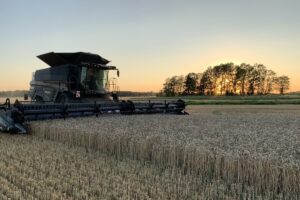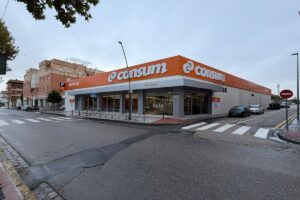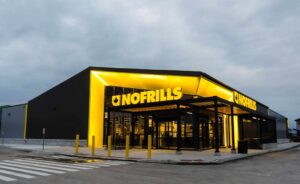


Romania has one of the largest food industries in Central and Eastern Europe. It produces a wide range of goods for both domestic consumption and export:
- dairy products
- meat and poultry
- bakery goods
- beverages and wine
- fruit and vegetables
- processed foods
The country’s manufacturers also play an important role in supplying private label products to supermarket chains across Europe.
For companies hoping to supply Romanian supermarkets, meeting legal food safety requirements is only the starting point. Before awarding contracts, retailers increasingly expect suppliers to show:
- internationally recognised food safety management
- traceability
- quality assurance
- responsible production practices
The certification required depends on the product, customer and destination market.
- A private label manufacturer may need IFS Food.
- A large beverage producer may prefer FSSC 22000.
- Fresh produce growers commonly rely on GLOBALG.A.P.
- Organic operators must comply with the European Union’s organic certification framework through authorised Romanian control bodies.
Romania also has nationally recognised quality schemes that distinguish traditional and regional food products. These programmes complement international food safety standards rather than replacing them.
This guide explains the top food safety certifications and frameworks used in Romania. It covers the organisations behind them and why each one matters to suppliers serving Romanian supermarkets and export markets.
Which certifications do Romanian supermarket suppliers need?
There is no single certification required for every supplier operating in Romania.
Requirements vary depending on:
- retailer specifications
- product category
- manufacturing process
- private label production
- export destination
- customer requirements
- regulatory obligations
Romanian food businesses must comply with European Union food legislation and operate food safety systems based on HACCP principles.
However, legal compliance alone is often not enough for supermarket supply.
Large retailers and international buyers often expect suppliers to hold recognised third-party certifications. Examples are IFS Food, FSSC 22000 and BRCGS Food Safety.
Fresh produce suppliers commonly require GLOBALG.A.P. Organic businesses must comply with the EU Organic Certification system, run through authorised Romanian inspection bodies.
Quick Comparison: Food Safety Certifications in Romania
| Certification / Framework | Romanian Market Relevance | Export Importance | Main Users |
|---|---|---|---|
| IFS Food | Very High | Very High | Supermarket and private label manufacturers |
| FSSC 22000 | High | Very High | Food processors, beverage and ingredient manufacturers |
| BRCGS Food Safety | High | High | Exporters and multinational retail suppliers |
| ISO 22000 | Medium to High | High | Food manufacturers and logistics operators |
| HACCP | Essential | Essential | All food businesses |
| GLOBALG.A.P. | High | High | Fruit, vegetable and agricultural producers |
| EU Organic Certification | High | High | Organic farms, processors and exporters |
| Produs Montan | Medium | Low | Mountain-area food producers |
| Produs Tradițional | Medium | Low | Traditional Romanian food producers |
| Rețetă Consacrată | Medium | Low | Manufacturers of recognised traditional recipes |
Top 10 Food Safety Certifications & Frameworks in Romania
| Rank | Certification / Framework | Managing Organisation | Main Role |
|---|---|---|---|
| 1 | IFS Food | IFS Management GmbH | Supermarket and private label supplier approval |
| 2 | FSSC 22000 | Foundation FSSC | Industrial food safety management |
| 3 | BRCGS Food Safety | BRCGS | International retail and export supply |
| 4 | ISO 22000 | International Organization for Standardization | Food safety management systems |
| 5 | HACCP | Codex Alimentarius Commission | Food safety methodology |
| 6 | GLOBALG.A.P. | FoodPLUS GmbH | Farm assurance and primary production |
| 7 | EU Organic Certification | European Union and authorised Romanian control bodies | Organic food production |
| 8 | Produs Montan | Ministry of Agriculture and Rural Development / National Agency for Mountain Areas | Mountain product quality scheme |
| 9 | Produs Tradițional | Ministry of Agriculture and Rural Development | Traditional Romanian food recognition |
| 10 | Rețetă Consacrată | Ministry of Agriculture and Rural Development | Protection of established Romanian recipes |
Why Romania Needs a Country-Specific Certification Guide
Romania’s certification landscape differs from many other European countries.
International standards such as IFS Food, BRCGS and FSSC 22000 dominate factory audits and supermarket supplier approval. At the same time, Romanian producers also work within national quality programmes. These are designed to promote traditional products and mountain-area foods.
The distinction is important:
- IFS Food, FSSC 22000 and BRCGS evaluate manufacturing systems and food safety controls.
- GLOBALG.A.P. focuses on agricultural production.
- EU Organic Certification regulates organic farming and processing.
Meanwhile, Produs Montan, Produs Tradițional and Rețetă Consacrată recognise product origin, traditional production methods and national food heritage. They do not replace food safety management systems.
Understanding the role of each framework helps suppliers choose the certifications most relevant to their products, customers and target markets.
1. IFS Food
Best for: Supermarket suppliers and private label manufacturers
IFS Food is one of the most commercially important food safety certifications for manufacturers supplying Romanian supermarkets and European retail chains.
Romania’s retail market includes several major European supermarket groups:
- Carrefour
- Kaufland
- Lidl
- Penny
- Auchan
- Metro
- Mega Image
Many manufacturers supplying these retailers or producing private label products adopt IFS Food. It helps them show consistent food safety, product quality and regulatory compliance.
The standard assesses whether manufacturers can consistently produce safe and authentic food while meeting customer specifications and legal requirements.
What it evaluates
IFS Food evaluates:
- food safety management
- quality systems
- traceability
- supplier approval
- production controls
- product specifications
- food defence
- senior management responsibility
It is widely used across Romania’s:
- dairy industry
- meat and poultry processing
- bakery sector
- confectionery manufacturing
- beverage production
- frozen foods
- private label manufacturing
IFS Food is not a legal requirement imposed by the Romanian government.
Instead, it is a commercial certification often requested by supermarket buyers and international customers as part of supplier approval programmes.
Organisation Profile
| Company Profile | Information |
|---|---|
| Organisation | IFS Management GmbH |
| Headquarters | Berlin, Germany |
| Founded | 2003 |
| Organisation Type | Private standards organisation |
| Ownership | Jointly supported by the German Retail Federation (HDE) and the French Federation of Commerce and Distribution (FCD) |
| Sector | Food safety and product quality standards |
| Global Presence | International |
| Offices / Branches | Information not publicly disclosed |
| Employees | Information not publicly disclosed |
| Revenue / Income | Information not publicly disclosed |
| Primary Users | Food manufacturers, retailers, wholesalers and private label suppliers |
2. FSSC 22000
Best for: Large food manufacturers, beverage producers and multinational processors
FSSC 22000 is widely used by Romanian food manufacturers operating complex production facilities or supplying multiple international customers.
It differs from retailer-focused certification schemes. FSSC 22000 is built around ISO 22000, together with sector-specific prerequisite programmes. It also adds food safety requirements recognised by the Global Food Safety Initiative (GFSI).
Who uses it
The certification is particularly suitable for:
- dairy manufacturers
- beverage companies
- ingredient suppliers
- confectionery producers
- packaging manufacturers
- food processors
- multinational production facilities
Romania’s growing role as a regional manufacturing hub has encouraged many larger producers to adopt FSSC 22000. It integrates well with broader management systems while supporting international trade.
Many multinational companies operating factories in Romania use FSSC 22000. It helps them keep food safety systems consistent across production sites in different countries.
Organisation Profile
| Company Profile | Information |
|---|---|
| Organisation | Foundation FSSC |
| Headquarters | Gorinchem, Netherlands |
| Founded | 2009 |
| Organisation Type | Independent non-profit foundation |
| Sector | Food safety management system certification |
| Global Presence | Worldwide |
| Certified Organisations | More than 42,000 certified organisations globally |
| Licensed Partners | More than 100 licensed partners worldwide |
| Offices / Branches | Regional representatives. full office count not publicly disclosed |
| Employees | Information not publicly disclosed |
| Revenue / Income | Information not publicly disclosed |
| Primary Users | Food, ingredient, beverage and packaging manufacturers |
3. BRCGS Food Safety
Best for: Export manufacturers and suppliers serving multinational retailers
BRCGS Food Safety remains one of the world’s most recognised food safety standards. It is widely accepted by retailers and food manufacturers supplying international markets.
IFS Food generally has stronger influence within Central European supermarket supply chains. But BRCGS is particularly valuable for Romanian companies exporting products to the United Kingdom and other international markets.
What it assesses
The standard assesses:
- food safety culture
- HACCP implementation
- quality management
- site standards
- product control
- process control
- traceability
- food defence
- supplier approval
It is widely used across Romania’s:
- meat industry
- dairy processing
- bakery manufacturing
- confectionery production
- beverage manufacturing
- packaging sector
- private label production
Romanian exporters often choose BRCGS because many international customers see it as evidence of strong food safety management and manufacturing controls.
Organisation Profile
| Company Profile | Information |
|---|---|
| Organisation | BRCGS |
| Headquarters | London, United Kingdom |
| Founded | 1996 |
| Organisation Type | Global standards organisation |
| Sector | Food safety, packaging and supply chain standards |
| Global Presence | More than 130 countries |
| Offices / Branches | Information not publicly disclosed |
| Employees | Information not publicly disclosed |
| Revenue / Income | Information not publicly disclosed |
| Primary Users | Food manufacturers, packaging suppliers, exporters and retailers |
4. ISO 22000
Best for: Food manufacturers, logistics providers and supply-chain operators
ISO 22000 is an internationally recognised food safety management system used throughout Romania’s food industry.
Unlike retailer-specific certification programmes, ISO 22000 provides a management framework that can be applied throughout the food chain.
Who uses it
Typical users include:
- food manufacturers
- logistics providers
- warehouses
- storage facilities
- ingredient suppliers
- catering businesses
- food distributors
The standard helps organisations to:
- set up structured food safety management processes
- improve operational consistency
- show commitment to continuous improvement
Romanian businesses supplying industrial customers or running integrated management systems often choose ISO 22000. It aligns well with other ISO standards.
Organisation Profile
| Company Profile | Information |
|---|---|
| Organisation | International Organization for Standardization (ISO) |
| Headquarters | Geneva, Switzerland |
| Founded | 1947 |
| Organisation Type | Independent international non-governmental organisation |
| Sector | International standards development |
| Global Presence | More than 170 member countries |
| Offices / Branches | National standards body network |
| Employees | Information not publicly disclosed |
| Revenue / Income | Information not publicly disclosed |
| Primary Users | Manufacturers, processors, logistics providers and food businesses |
5. HACCP
Best for: Every food business operating in Romania
HACCP (Hazard Analysis and Critical Control Points) forms the foundation of food safety management throughout Romania.
It is not a commercial certification scheme. It is a systematic method for identifying, evaluating and controlling food safety hazards during food production.
What it controls
HACCP addresses risks including:
- biological contamination
- chemical contamination
- physical hazards
- allergen management
- cross-contamination
- temperature control
- critical process monitoring
Romanian food businesses are expected to apply HACCP principles as part of European food hygiene legislation.
HACCP alone may not satisfy supermarket supplier approval requirements. But it provides the operational basis for recognised certification schemes such as IFS Food, BRCGS and FSSC 22000.
Organisation Profile
| Company Profile | Information |
|---|---|
| Framework | HACCP |
| Main International Reference | Codex Alimentarius Commission |
| Headquarters | Rome, Italy |
| Established | Codex Commission established in 1963 |
| Organisation Type | International food safety methodology |
| Sector | Food safety risk management |
| Global Presence | Worldwide |
| Offices / Branches | Not applicable |
| Employees | Not applicable |
| Revenue / Income | Not applicable |
| Primary Users | All food manufacturers, processors, distributors and food businesses |
6. GLOBALG.A.P.
Best for: Fruit and vegetable growers, agricultural producers and fresh produce exporters
GLOBALG.A.P. is one of the most important farm assurance standards used by Romanian agricultural producers supplying supermarkets across Europe.
IFS Food and BRCGS assess food manufacturing facilities. GLOBALG.A.P., by contrast, focuses on primary agricultural production before products enter the processing stage.
What it covers
The standard covers:
- food safety
- traceability
- responsible pesticide use
- environmental protection
- water management
- worker health and safety
- sustainable farming
- integrated crop management
Romania is one of Europe’s largest agricultural producers. This makes GLOBALG.A.P. particularly relevant for:
- fruit growers
- vegetable producers
- greenhouse operations
- potato producers
- fresh produce exporters
- producer organisations
Why it matters to supermarket buyers
Some growers supply supermarket chains such as Carrefour Romania, Kaufland Romania, Lidl Romania and other European retailers. They may meet GLOBALG.A.P. requirements during supplier approval.
For Romanian exporters, the certification also supports access to European retail procurement programmes. In these, farm assurance has become a standard expectation.
Organisation Profile
| Company Profile | Information |
|---|---|
| Organisation | FoodPLUS GmbH (GLOBALG.A.P.) |
| Headquarters | Cologne, Germany |
| Founded | 1997 (originally EUREPG.A.P.) |
| Organisation Type | Private-sector farm assurance organisation |
| Sector | Agriculture and aquaculture standards |
| Global Presence | More than 130 countries |
| Offices / Branches | International partner and certification network |
| Employees | Information not publicly disclosed |
| Revenue / Income | Information not publicly disclosed |
| Primary Users | Farmers, growers, agricultural cooperatives, exporters and producer organisations |
7. EU Organic Certification
Best for: Organic farms, processors, traders and exporters
Organic food production in Romania follows the European Union’s organic regulatory framework.
What the rules cover
Businesses marketing products as organic must comply with rules covering:
- crop production
- livestock management
- processing
- storage
- transport
- labelling
- traceability
- import controls
Romania’s organic sector continues to expand across:
- cereals
- fruit
- vegetables
- honey
- dairy
- wine
- processed foods
Organic certification is carried out by MADR-approved control bodies. The Ministry of Agriculture and Rural Development (MADR) oversees the national organic system in line with EU legislation.
For exporters, EU Organic Certification provides access to organic markets throughout the European Union.
Organisation Profile
| Company Profile | Information |
|---|---|
| Framework | EU Organic Certification |
| Regulatory Authority | European Union |
| Romanian Competent Authority | Ministry of Agriculture and Rural Development (MADR) |
| Headquarters | Brussels, Belgium |
| Organisation Type | European regulatory framework |
| Sector | Organic agriculture |
| Geographic Coverage | European Union |
| Romanian Control System | MADR-approved control bodies |
| Employees | Not applicable |
| Revenue / Income | Not applicable |
| Primary Users | Organic farmers, processors, traders and exporters |
8. Produs Montan
Best for: Mountain-area food producers
Produs Montan (Mountain Product) is an official quality scheme. It recognises food produced in designated mountain regions under European Union rules.
Unlike IFS Food or FSSC 22000, Produs Montan is not a food safety certification.
Instead, it identifies products whose production and processing meet the requirements linked to mountain areas.
Eligible products
Eligible products may include:
- cheese
- honey
- meat products
- fruit
- vegetables
- herbal products
- dairy products
The scheme is run in Romania through the National Agency for Mountain Areas (ANZM), under the Ministry of Agriculture and Rural Development.
For Romanian producers located in mountain regions, the designation can help set products apart. It can also strengthen consumer confidence in origin and authenticity.
Organisation Profile
| Company Profile | Information |
|---|---|
| Organisation | National Agency for Mountain Areas (ANZM) |
| Country | Romania |
| Supervising Authority | Ministry of Agriculture and Rural Development |
| Organisation Type | Government agency |
| Sector | Mountain agriculture and quality schemes |
| Geographic Coverage | Romania |
| Offices / Branches | Regional offices operating within mountain areas |
| Employees | Information not publicly disclosed |
| Budget | Government funded |
| Primary Users | Mountain farmers, food producers and agricultural businesses |
9. Produs Tradițional
Best for: Producers of traditional Romanian foods
Produs Tradițional (Traditional Product) is Romania’s official recognition programme for foods produced using traditional methods and recipes.
The programme helps preserve Romania’s culinary heritage. It also lets recognised producers set their products apart in the marketplace.
Typical products
Typical products include:
- cured meats
- cheeses
- bakery products
- confectionery
- preserves
- traditional beverages
The scheme does not replace food safety certification. But it supports consumer confidence by recognising authentic Romanian food traditions.
Manufacturers must still comply with all applicable food safety legislation and retailer requirements.
Organisation Profile
| Company Profile | Information |
|---|---|
| Organisation | Ministry of Agriculture and Rural Development |
| Country | Romania |
| Organisation Type | Government quality programme |
| Sector | Traditional food recognition |
| Geographic Coverage | Romania |
| Offices / Branches | Government administration |
| Employees | Information not publicly disclosed specifically for the programme |
| Budget | Government funded |
| Primary Users | Traditional food producers and artisan manufacturers |
10. Rețetă Consacrată
Best for: Manufacturers using established Romanian recipes
Rețetă Consacrată (Consecrated Recipe) is a Romanian quality programme. It recognises foods produced according to recipes that have been used consistently over many years.
The scheme helps protect recognised recipes. It also promotes product consistency and preserves Romania’s food heritage.
Typical products
Products commonly registered include:
- meat products
- bakery goods
- confectionery
- processed foods
- traditional prepared meals
Like Produs Tradițional, it complements rather than replaces recognised food safety certification schemes.
Manufacturers taking part in the programme must continue meeting all legal food safety obligations and customer requirements.
Organisation Profile
| Company Profile | Information |
|---|---|
| Organisation | Ministry of Agriculture and Rural Development |
| Country | Romania |
| Organisation Type | Government quality programme |
| Sector | Traditional recipe recognition |
| Geographic Coverage | Romania |
| Offices / Branches | Government administration |
| Employees | Information not publicly disclosed specifically for the programme |
| Budget | Government funded |
| Primary Users | Romanian food manufacturers producing recognised traditional recipes |
Which Romanian Food Sectors Depend Most on Certification?
Different sectors of Romania’s food industry rely on different certification systems. This depends on their products, customers and export markets.
Dairy
Romania has a well-established dairy industry producing milk, cheese, yoghurt, butter and other processed dairy products.
Manufacturers commonly use:
- IFS Food
- FSSC 22000
- HACCP
- EU Organic Certification (where applicable)
Some traditional dairy products also benefit from protected geographical indications or national quality schemes.
Meat and Poultry
Romania is one of Eastern Europe’s important producers of meat and poultry.
Manufacturers supplying supermarkets and export markets typically rely on:
- IFS Food
- BRCGS Food Safety
- HACCP
- Halal Certification (for selected export markets)
Food safety, traceability and temperature control remain key priorities across the sector.
Bakery and Confectionery
Romania’s bakery and confectionery industries serve both domestic retailers and export customers.
The most common certifications include:
- IFS Food
- BRCGS Food Safety
- FSSC 22000
- HACCP
Manufacturers exporting specialist products may also obtain Kosher certification where customer demand exists.
Fresh Produce
Romania is one of Europe’s largest producers of fruit and vegetables.
Growers commonly depend on:
- GLOBALG.A.P.
- EU Organic Certification
- Produs Montan (where eligible)
These schemes help producers meet retailer sourcing requirements while improving export opportunities.
Wine and Beverage Manufacturing
Romania has a long-established wine and beverage industry.
Manufacturers commonly implement:
- FSSC 22000
- ISO 22000
- HACCP
Wine producers may also market products under protected geographical indication or designation schemes where applicable.
Private Label Manufacturing
Private label production continues to grow across Romanian supermarkets.
Manufacturers supplying retailer own-brand products commonly maintain:
- IFS Food
- BRCGS Food Safety
- HACCP
Retailers often add their own supplier approval and product quality audits on top of third-party certification.
Recommended Certification Path by Supplier Type
| Supplier Type | Recommended Certification |
|---|---|
| Private Label Manufacturer | IFS Food, HACCP |
| Dairy Producer | FSSC 22000, IFS Food, HACCP |
| Meat Processor | IFS Food, BRCGS, HACCP |
| Poultry Producer | IFS Food, HACCP, Halal (where required) |
| Bakery Manufacturer | IFS Food, HACCP |
| Beverage Producer | FSSC 22000, ISO 22000 |
| Fresh Produce Grower | GLOBALG.A.P., EU Organic Certification |
| Organic Food Producer | EU Organic Certification |
| Traditional Food Producer | Produs Tradițional, Rețetă Consacrată (where eligible) |
| Mountain Producer | Produs Montan |
| Export-Oriented Manufacturer | IFS Food, BRCGS, FSSC 22000 |
| Ingredient Supplier | ISO 22000, FSSC 22000 |
FAQ
Which food safety certification is most important in Romania?
IFS Food is generally seen as the most commercially important certification for Romanian manufacturers supplying supermarkets and private label programmes.
However, the most suitable certification depends on the product category, customer requirements and export destination.
Is HACCP mandatory in Romania?
Yes.
Romanian food businesses must implement HACCP-based food safety procedures under European Union food hygiene legislation.
However, supermarket buyers often require recognised third-party certification in addition to HACCP.
What is Produs Montan?
Produs Montan is Romania’s official mountain product quality scheme.
It identifies food products produced in eligible mountain regions under European Union rules. It is run nationally by the National Agency for Mountain Areas.
What is the difference between Produs Tradițional and Rețetă Consacrată?
Both programmes recognise Romanian food heritage.
Produs Tradițional focuses on foods produced using traditional methods. Rețetă Consacrată recognises products made according to long-established Romanian recipes.
Neither programme replaces recognised food safety certification.
Is GLOBALG.A.P. important in Romania?
Yes.
GLOBALG.A.P. is one of the leading farm assurance standards for Romanian fruit and vegetable growers supplying supermarkets and export markets.
What Happens Next for Food Safety Certification in Romania?
Romanian food supplier requirements are expected to focus more and more on digital traceability, sustainability and transparent supply chains.
Retailers are likely to place greater emphasis on:
- food safety culture
- supplier transparency
- responsible sourcing
- packaging compliance
- digital traceability
- environmental reporting
- operational consistency
The Romanian supermarket sector is expected to continue favouring suppliers that combine internationally recognised food safety certifications with strong quality management systems and reliable traceability.
Across the Romanian FMCG sector, manufacturers are likely to invest further in certification. This would strengthen export opportunities, retailer confidence and long-term competitiveness.
The Romanian private label market is also expected to keep expanding. This would increase demand for manufacturers that can consistently meet retailer audit requirements and internationally recognised food safety standards.
Several Romanian industries are likely to remain among the country’s most certification-intensive sectors:
- dairy
- meat and poultry
- bakery
- beverages and wine
- fresh produce
- food manufacturing
For suppliers serving Romanian retailers and international food markets, certification is becoming more than a compliance requirement.
It is increasingly a measure of product quality, operational excellence and long-term supplier credibility across Romania’s food industry.
Editor’s Note: Information for this article was compiled from publicly available resources published by the Romanian Ministry of Agriculture and Rural Development (MADR), the National Sanitary Veterinary and Food Safety Authority (ANSVSA), the National Agency for Mountain Areas (ANZM), the European Commission, IFS Management GmbH, Foundation FSSC, BRCGS, the International Organization for Standardization (ISO), GLOBALG.A.P., the Codex Alimentarius Commission, and other recognised food safety and certification organisations.
Organisation profiles and company information reflect publicly available information available at the time of publication.