
Žemaitijos pienas increased first-half sales by 4.57% to €171.2 million, giving supermarket buyers a fresh financial update on the Lithuanian dairy group behind Džiugas cheese.
The preliminary consolidated figures, released by the company through GlobeNewswire on 15 September, cover January to June 2026 and are unaudited. The group reported a net profit margin of 9.7% of turnover.
That percentage is a margin, not a profit-growth rate. Applied to the rounded sales figure, it implies approximately €16.6 million in net profit. This is a GTN calculation; the announcement did not state a separate euro-denominated profit total.
The reported growth rate also implies sales of approximately €163.7 million in the comparable first half of 2025, an increase of about €7.5 million. Both calculations are approximate because the disclosed figures are rounded.
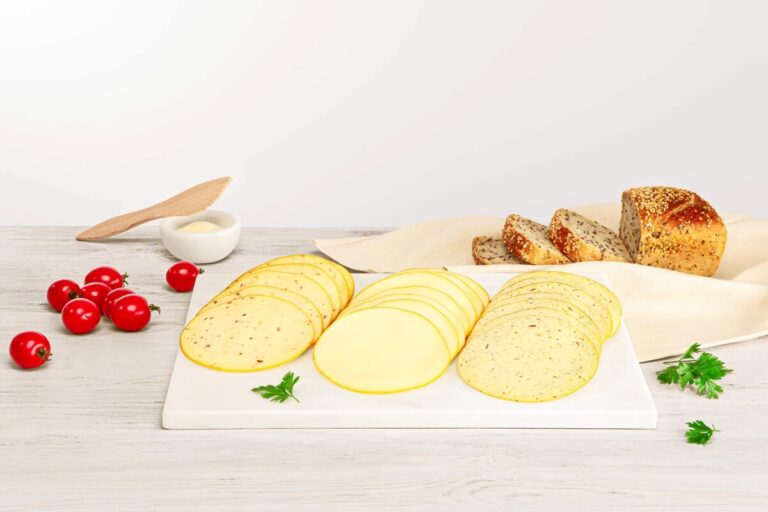
Based in Telšiai, Žemaitijos pienas produces dairy products for Lithuania and export markets. Its portfolio includes Džiugas hard cheese, Dobilas organic dairy products, Pik-Nik cheese snacks and Magija curd snacks, giving the group exposure to several distinct supermarket buying categories.
It is among the businesses examined in GTN’s overview of Lithuanian FMCG manufacturers. The latest release adds a current group-level trading measure, but not a breakdown of how individual brands or markets performed.
For dairy category managers, the distinction matters. Revenue can rise because of selling prices, product mix or greater volumes. The short announcement does not separate those effects, so the 4.57% increase should not be read as evidence of equivalent growth in shopper demand.
Nor does the update disclose a comparative first-half profit figure, cash flow or the contribution from individual product lines. It therefore does not establish whether underlying profitability improved year on year.
Procurement teams assessing Lithuanian private-label manufacturing options will need more specific information before translating the result into a sourcing decision. Group profitability cannot establish the cost of a cheese specification, the capacity available for a new contract or the terms of a future supply agreement.
For supermarket buyers, the next useful disclosure will be the detail behind the headline: sales volumes, geographic performance, milk-input costs and cash generation. That would help show whether the first-half revenue increase reflects stronger demand, pricing or a change in the products being sold.