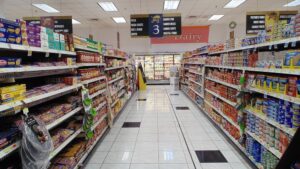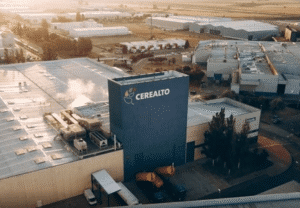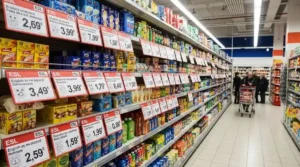

Lithuania’s FMCG sector has become far more important inside European grocery supply chains over the past few years. Several forces have pushed Lithuanian manufacturers into stronger positions across supermarkets in Northern and Western Europe:
- rising private label demand
- regional sourcing pressure
- dairy export volatility
- Baltic logistics expansion
The country’s largest food groups no longer act only as domestic suppliers. Many now combine manufacturing, export distribution, agribusiness integration and retail supply across multiple European markets.
Dairy processors are expanding export exposure. Meat companies are scaling processed foods. Meanwhile, beverage and grain groups keep strengthening regional distribution systems.
The companies below are the most commercially important Lithuania FMCG companies by RevNow positioning entering 2026.
At a Glance
| Rank | Company | FY Revenue Context | Strategic Role |
|---|---|---|---|
| 1 | Akola Group / Kauno Grūdai | €1.5B+ group revenue | Baltic agribusiness and FMCG powerhouse |
| 2 | MV GROUP | €400M+ estimated combined operations | Beverage manufacturing and wholesale distribution leader |
| 3 | Biovela Group | €200M–€230M+ historical range | Baltic meat processing giant |
| 4 | Vilvi Group | €286.9M confirmed revenue | Export-focused dairy processor |
| 5 | Žemaitijos Pienas | €250M+ historical range | Major dairy and cheese supplier |
What is driving Lithuania FMCG growth in 2026?
Lithuania’s FMCG expansion is supported by three major structural trends:
- Regional sourcing. European retailers are increasing regional sourcing partnerships. Supply-chain risks remain high after several years of logistics disruption and inflation pressure.
- Cost competitiveness. Lithuania’s manufacturing base remains relatively cost competitive compared with Western Europe. This is especially true in dairy, poultry, processed meat and grain categories.
- Better logistics. Baltic logistics infrastructure keeps improving. Port access through Klaipėda and wider regional distribution systems have helped Lithuanian suppliers grow export capacity across Scandinavia, Germany, Poland and wider EU grocery channels.
That combination has made Lithuania increasingly relevant across the wider Lithuania supermarket, Lithuania private label and Baltic FMCG supply ecosystem.
1. Akola Group / Kauno Grūdai
- Founded: 1991
- Headquarters: Kaunas, Lithuania
- Revenue context: €1.5B+ group revenue
Akola Group sits at the top of Lithuania’s food and agribusiness structure entering 2026. The company operates across:
- grain trading
- feed production
- poultry
- flour milling
- dairy
- farming services
- food manufacturing
Its acquisition and integration of Kauno Grūdai turned the wider group into one of the largest agribusiness and FMCG operators anywhere in the Baltics.
Why its scale matters
From a RevNow perspective, Akola’s scale is hard for competitors to match. The company controls several layers of the supply chain at once.
That matters. Many European FMCG companies remain exposed to raw material volatility. Akola, by contrast, benefits from vertical integration across sourcing, processing, transport, feed operations and manufacturing.
What Kauno Grūdai supplies
Kauno Grūdai itself remains one of the most commercially important food-processing assets in Lithuania. The business is heavily exposed to flour, poultry, prepared foods, instant noodles, breadcrumbs, feed ingredients and grain processing.
Its operational footprint also gives it strong relevance in the wider Lithuania fresh produce and agricultural supply network. Grain logistics and farming infrastructure remain deeply connected to food manufacturing economics.
Export position
Another important factor is export positioning. Lithuanian processors increasingly supply retailers looking for mid-cost European sourcing alternatives.
Akola’s structure lets it compete hard on both production efficiency and export scale. Inside Baltic retail systems, the company’s influence extends far beyond branded products alone.
Feed, grain handling and raw material control all strengthen long-term manufacturing resilience.
2. MV GROUP
- Founded: 1992
- Headquarters: Vilnius, Lithuania
- Revenue context: €400M+ estimated combined operations
MV GROUP is one of the most influential FMCG businesses in Lithuania. However, its structure differs significantly from traditional food manufacturers. The group combines alcoholic beverage production with one of the region’s largest wholesale and distribution operations.
What it owns
Its portfolio includes well-known Lithuanian beverage assets such as:
- Stumbras
- Alita
- Anykščių Vynas
- Vilniaus Degtinė
At the same time, MV Group Distribution handles large-scale wholesale operations across Baltic retail and horeca channels. That dual structure is what makes the company commercially powerful.
Why distribution control matters
Many FMCG manufacturers depend heavily on outside distributors to keep supermarket visibility. MV GROUP controls both production and large parts of regional distribution infrastructure. This gives it stronger negotiating leverage in Lithuania supermarket networks and wider Baltic retail systems.
Its scale also reflects how FMCG economics are changing across the region.
Distribution has become just as strategically important as manufacturing. Shelf access, logistics control, import partnerships and route-to-market efficiency now directly influence profitability across beverage categories.
The company also benefits from tourism recovery and horeca normalisation across Baltic markets. Alcohol regulation and consumer price sensitivity remain ongoing pressure points.
Operationally, MV GROUP is one of Lithuania’s clearest examples of how manufacturing and wholesale consolidation are reshaping Baltic FMCG competition.
3. Biovela Group
- Founded: 1994
- Headquarters: Utena, Lithuania
- Revenue context: €200M–€230M+ historical range
Biovela Group remains the dominant meat-processing operator in Lithuania and one of the largest in the Baltics. The company is heavily involved in fresh meat, sausages, prepared protein products, snacks and processed foods. These are sold in both domestic and export markets.
Cost pressures in protein
Protein remains one of the most operationally difficult FMCG categories in Europe right now. Processors across the continent face:
- energy costs
- refrigeration pressure
- transport expenses
- feed inflation
- veterinary compliance
Biovela’s scale helps offset some of those pressures.
Large production volumes let the company keep stronger cost control than smaller regional processors.
That becomes especially important during periods of supermarket pricing pressure. Retailers across Europe keep pushing suppliers for lower prices. At the same time, they demand higher compliance standards and stronger supply reliability. Biovela is large enough to keep manufacturing consistent at scale.
Role in private label
The company also plays an important role in Baltic private label systems.
Many European retailers increasingly source processed meat and refrigerated products from Eastern and Central European suppliers. These suppliers balance lower manufacturing costs with EU compliance standards. Lithuania’s geographic position supports that strategy.
Biovela therefore operates not only as a domestic supplier, but also as part of the wider European FMCG sourcing chain.
4. Vilvi Group
- Founded: 1993
- Headquarters: Vilkaviškis, Lithuania
- Revenue: €286.9M confirmed
Vilvi Group has become one of Lithuania’s most internationally visible dairy exporters. The company reported €286.9 million in revenue. This was supported heavily by cheese exports, whey ingredients, dairy powders and international market expansion.
Unlike some domestic-focused processors, Vilvi’s business model is deeply export driven.
Export opportunity and risk
That creates opportunity, but also volatility. Global dairy prices can change quickly depending on:
- milk supply
- Chinese import demand
- commodity cycles
- European stock pressure
Lithuanian dairy groups therefore operate in a highly exposed international environment. Vilvi has managed that pressure relatively well by focusing on higher-value dairy categories rather than relying entirely on bulk commodity production.
Cheese and ingredients
Cheese remains especially important. European retailers keep expanding premium private label cheese ranges. Lithuanian processors have increasingly positioned themselves as reliable manufacturing partners for those programmes. That trend is strengthening the wider Lithuania private label manufacturing sector.
Vilvi’s operational relevance also extends into ingredient production.
Whey proteins and dairy derivatives remain strategically important across sports nutrition, processed foods and industrial food manufacturing. The company therefore benefits from exposure to both retail grocery demand and industrial food-processing channels.
5. Žemaitijos Pienas
- Founded: 1924
- Headquarters: Telšiai, Lithuania
- Revenue context: €250M+ historical range
Žemaitijos Pienas remains one of Lithuania’s oldest and most recognisable dairy manufacturers. The company is best known internationally for Džiugas cheese. Its wider operations include butter, milk products, cream, desserts and export-focused dairy processing.
Competitive position
For decades, Lithuania’s dairy sector has been one of the country’s most important FMCG export engines.
That remains true entering 2026. Žemaitijos Pienas keeps competing hard with Vilvi Group and Rokiškio Sūris across export categories, supermarket shelf contracts and international dairy markets.
The rankings between these dairy groups can change depending on export pricing and commodity conditions.
One year of stronger cheese prices or powder exports can materially shift revenue positioning across the sector.
Brand strength
Operationally, the company benefits from strong domestic brand recognition while also keeping export relevance. Džiugas in particular has become one of Lithuania’s most internationally identifiable dairy brands.
That brand visibility matters because many Eastern European dairy companies still remain heavily commodity dependent.
Recognisable consumer-facing brands can provide stronger pricing resilience during difficult dairy cycles.
Why Lithuania’s FMCG sector matters more now
Lithuania is no longer a peripheral food-manufacturing market inside Europe. The country has gradually become part of a wider regional sourcing system. This system connects Nordic retailers, Baltic distributors, Central European processors and Western European supermarket chains.
Several structural factors are helping that shift:
- lower operating costs than Western Europe
- improving logistics infrastructure
- strong agricultural integration
- export-focused dairy production
- regional grain and feed scale
- growing private label manufacturing capability
That is increasingly visible across Lithuania supermarket distribution systems and Baltic retail procurement networks.
Retailers are also under pressure to diversify sourcing away from overconcentrated manufacturing hubs. Lithuanian suppliers have benefited from that trend. Dairy, meat processing, grain products, beverages and packaged foods are all becoming more strategically important across regional grocery supply chains.
Frequently Asked Questions
Which is the largest FMCG company in Lithuania?
Akola Group / Kauno Grūdai ranks first, with €1.5B+ group revenue. It operates across grain trading, feed, poultry, flour milling, dairy and food manufacturing.
Which Lithuanian dairy companies are in the ranking?
Vilvi Group, with €286.9M confirmed revenue, and Žemaitijos Pienas, with a €250M+ historical range, are the two dairy groups listed. Žemaitijos Pienas is best known for Džiugas cheese.
What is driving Lithuania FMCG growth in 2026?
Three trends are driving growth: regional sourcing partnerships, relatively low manufacturing costs and improving Baltic logistics. Port access through Klaipėda has helped suppliers expand exports.
What Happens Next
Lithuania’s FMCG sector is likely to become even more export focused over the next few years.
Private label manufacturing will probably keep growing as European retailers look for lower-cost but EU-compliant production partners. That trend is already strengthening the wider Lithuania private label supply network. Dairy and processed food companies are increasing production for Western European supermarket chains.
Dairy processors are expected to remain heavily exposed to international cheese and ingredient demand. Meat producers will keep facing margin pressure from energy and refrigeration costs.
At the same time, larger vertically integrated operators may strengthen further.
Some groups control farming, feed, logistics, grain sourcing, packaging and manufacturing directly. These are likely to have stronger protection against future supply volatility. That integration is becoming increasingly important across the wider Lithuania fresh produce, agribusiness and packaged food ecosystem.
The wider Lithuania supermarket and Lithuania FMCG ecosystem is also becoming more connected with regional Baltic logistics networks and European sourcing systems.
Retailers across Northern and Central Europe keep diversifying sourcing partnerships, especially in dairy, protein, frozen foods and packaged grocery. Lithuanian manufacturers increasingly benefit from that shift because of their geographic position and export flexibility.
That may increase consolidation pressure on smaller manufacturers that struggle to compete on scale, compliance investment and export efficiency.
The companies most likely to strengthen their positions by 2027 will probably balance production cost discipline with retailer pricing pressure. They will also need to manage private label demand, export diversification and increasingly strict European sustainability requirements across the broader Lithuania packaging and FMCG supply chain.
Editor’s Note: This article was prepared using publicly available company reports, Nasdaq Baltic filings, historical revenue disclosures, industry trade data, and Baltic FMCG market analysis available as of 2026. Revenue references reflect the latest widely available reporting periods and broader RevNow market-position analysis rather than strict single-year statutory comparisons.