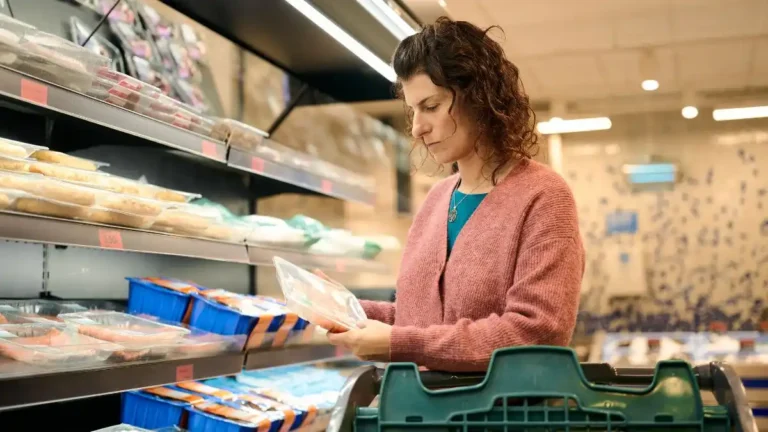

UK food inflation held at 1.3% in August 2026, leaving grocery price growth at one of its lowest rates in almost five years even as some supermarket categories moved in opposite directions.
Office for National Statistics data released on 16 September shows prices for food and non-alcoholic beverages were 1.3% higher than a year earlier, unchanged from July. On a monthly basis, prices rose 0.4%, matching the increase recorded in August 2025.
The stable headline rate masks a sharper slowdown in confectionery and softer meat prices, offset partly by stronger vegetable prices. For supermarket buyers, that split matters more than the wider CPI story because it shows where category-level pricing pressure is easing and where it is still building.
At a Glance
- Food and non-alcoholic beverage inflation: 1.3% year on year in August.
- July food inflation: 1.3%.
- Monthly food price movement: +0.4%.
- Sugar, jam, syrups, chocolate and confectionery inflation: 0.6%, down from 2.5% in July.
- Meat prices fell slightly over the month.
- Vegetable prices rose more strongly than a year earlier.
- Food and non-alcoholic beverages contributed 0.11 percentage points to CPIH inflation, the smallest contribution since September 2021.
Confectionery Inflation Drops Sharply
The biggest downward movement inside the food basket came from sugar, jam, syrups, chocolate and confectionery.
Annual inflation for this class fell to 0.6% in August from 2.5% in July. That is a significant change from the recent high of 11.9% recorded in October 2025.
Prices in the category still edged higher during August, but the increase was smaller than it was a year earlier. The ONS calculated that this reduced the change in the overall inflation rate by 0.02 percentage points.
For supermarket confectionery buyers, the figures suggest that the exceptional price pressure seen through much of 2025 has eased considerably. That does not mean chocolate or sugar-based products are becoming cheaper across every line, but it gives retailers more room to challenge further broad-based increases and to rebuild promotional activity where supplier costs allow.
Meat Eases While Vegetables Add Pressure
Meat also exerted a small downward influence. Prices fell slightly between July and August 2026, whereas they increased over the same period a year earlier. That produced a 0.01 percentage-point downward contribution.
Vegetables moved the other way. Prices rose by more in August 2026 than they did in August 2025, adding a small upward contribution of 0.01 percentage points.
This divergence is important for fresh-food procurement. A stable national food-inflation rate can hide very different movements across short-life categories, where weather, crop availability, import costs and supplier contracts can change buying conditions quickly.
What the Data Means for UK Supermarkets
The August reading keeps official UK food inflation well below the levels retailers were managing through much of the recent cost-of-living cycle. The 1.3% annual rate was last lower in September 2021, when it stood at 0.8%.
That creates a more stable backdrop for UK supermarkets as they plan autumn ranges, promotions and supplier negotiations. But the category split means buyers still need to work line by line rather than assume every part of the basket is following the headline rate.
Lower inflation in confectionery and softer meat pricing can support promotional discussions and sharper price points. Vegetables remain more exposed to fresh-supply volatility, while imported categories can still be affected by currency, freight and energy costs even when the domestic food index looks subdued.
The ONS said food and non-alcoholic beverages contributed only 0.11 percentage points to annual CPIH inflation in August, the smallest contribution since September 2021. For grocery retailers, that confirms food is currently contributing far less to overall consumer inflation than it did a year ago.
Private Label and FMCG Pricing Pressure Changes
For branded manufacturers and UK private-label suppliers, a low food-inflation environment changes the commercial conversation.
When shelf-price inflation is subdued, retailers have less tolerance for broad supplier price increases that are not supported by clear category-specific cost evidence. Manufacturers may need to rely more heavily on productivity, pack architecture, promotional funding and product differentiation rather than inflation-led pricing.
Private label can become particularly important in this environment. Retailers can use own-brand ranges to protect value perception while still offering premium tiers in categories where shoppers are willing to trade up.
At the same time, low current inflation should not be mistaken for the disappearance of upstream cost risk. The Food and Drink Federation said in its September outlook that it expects food and non-alcoholic beverage inflation to accelerate later in 2026 as energy, ingredient, logistics and packaging costs feed through more gradually.
Grocery Prices Remain Below Foodservice Inflation
The ONS restaurants and hotels division recorded annual inflation of 4.1% in August, up slightly from 4.0% in July. The category is broader than restaurant prices alone, but the gap with the 1.3% food and non-alcoholic beverage rate illustrates the different cost environment facing eating out and grocery retail.
For supermarkets, that gap can strengthen the value case for meal solutions, prepared foods and at-home dining occasions, particularly if households continue comparing the cost of eating out with supermarket alternatives.
What Happens Next?
The next UK consumer price inflation release is scheduled for 21 October 2026. Supermarket buyers will be watching whether the 1.3% food rate remains stable or begins to turn higher as manufacturers work through renewed input-cost pressures.
Grocery Trade News previously tracked the earlier slowdown in UK food inflation in May 2026, when annual food and non-alcoholic beverage inflation fell to 2.2%.
Editor’s Note: This report is based on the Office for National Statistics Consumer price inflation, UK: August 2026 release published on 16 September 2026. The analysis focuses only on food, grocery, supermarket and relevant foodservice data.