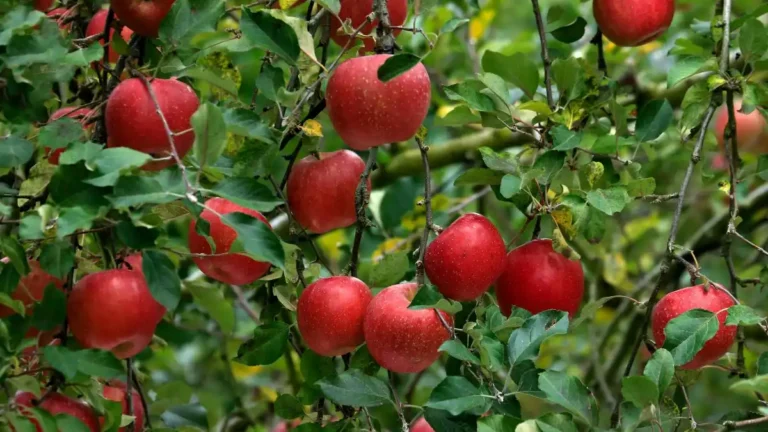

Switzerland’s apple industry is shaped by quality rather than volume. Unlike many of Europe’s largest producers, the country focuses on supplying its domestic retail market. It does this through tightly coordinated grower organisations, advanced packing facilities and strict quality standards.
Several factors have encouraged investment in modern orchards, controlled-atmosphere storage and highly efficient post-harvest logistics:
- high production costs
- protected import policies
- demanding supermarket specifications
The leading companies range from the orchards of Thurgau and Lake Constance to the fruit-growing regions of western Switzerland. They play a critical role in supplying premium apples to Migros, Coop, Volg and other retailers. They also help maintain one of Europe’s highest-valuefresh produce markets.
Why Switzerland’s Apple Industry Is Different
Switzerland produces far fewer apples than countries such as Poland, Italy or France. Yet its commercial model is remarkably distinctive.
The industry is designed mainly to serve domestic consumers rather than maximise exports. Supermarkets dominate buying decisions. Retailers demand consistent quality, complete traceability and sustainable production methods.
Growers respond through coordinated producer organisations, specialist packing companies and long-term retail programmes. These prioritise reliability over scale.
In this industry, efficiency is not measured by export tonnage. It is measured by the ability to deliver premium Swiss-grown apples throughout an extended marketing season.
Apple Produce Companies in Switzerland
| Rank | Company | FY Revenue | Strategic Role |
|---|---|---|---|
| 1 | Tobi Seeobst AG | Private | Switzerland’s leading apple packer and marketer |
| 2 | Inoverde AG | Private | National fresh produce and retail supply platform |
| 3 | GEISER agro.com ag | Private | Apple logistics, storage and packing specialist |
| 4 | Charles Füglister AG | Private | Premium retail fruit packer and distributor |
| 5 | BBG Baselbieter Beeren & Obst AG | Private | Regional grower organisation and marketer |
| 6 | Léman Fruits (Union-Fruits SA)* | Private | Western Switzerland fruit supplier |
| 7 | Kobi Obstbau* | Private | Commercial grower and packing specialist |
| 8 | Additional verified commercial supplier* | Private | Retail-focused apple marketer |
*Subject to final corporate verification.
Switzerland’s Retail-Driven Apple Supply Chain
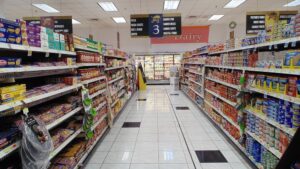
Unlike many European countries, Switzerland’s apple market is heavily influenced by supermarket buying rather than wholesale export demand.
Migros and Coop account for the majority of grocery sales. This gives retailers considerable influence over production planning, quality specifications and sustainability standards.
Retailers do not negotiate with hundreds of independent growers. Instead, they work with producer organisations, packing companies and commercial marketers that can deliver consistent quality throughout the year.
This integrated approach simplifies buying. It also ensures apples meet strict retail requirements for size, colour, taste, food safety and traceability.
Protected Imports Create a Premium Market
One of the defining features of the Swiss apple industry is its regulated import system.
Under the Phasen-System (phased import system), imported apples are restricted or face higher tariffs while enough domestic fruit remains in controlled-atmosphere storage. Imports increase only when Swiss supplies decline later in the season.
For domestic growers, this policy provides greater market stability and helps maintain premium pricing.
For supermarket buyers, it encourages long-term sourcing relationships with Swiss suppliers. These suppliers can store apples under carefully controlled conditions for many months after harvest.
The system has encouraged continuous investment in storage technology, orchard management and quality control. This keeps Swiss apples competitive throughout the domestic marketing season.
Quality Standards Drive Every Stage of Production
Swiss apple production is built around some of Europe’s most demanding quality requirements.
Growers increasingly operate under recognised programmes such as SwissGAP and IP-SUISSE. These combine integrated pest management, environmental stewardship and rigorous product traceability.
Modern orchards use these tools to maximise fruit quality:
- precision irrigation
- anti-hail protection
- digital monitoring systems
- carefully managed harvesting schedules
After harvest, apples move into advanced controlled-atmosphere storage. They then enter highly automated grading and packing facilities that sort fruit to retailer-specific requirements.
Switzerland does not compete on low production costs. It competes on consistency, food safety and premium presentation. These qualities continue to make Swiss-grown apples attractive to domestic supermarkets, private label programmes and high-value fresh produce retail channels.
1. Tobi Seeobst AG
Founded: 1926
Headquarters: Bischofszell, Canton of Thurgau, Switzerland
FY Revenue: Private
Core Operations: Apple and pear marketing, grading, packing, controlled-atmosphere storage, export and retail supply.
Verified Operational Facts
Tobi Seeobst AG is widely recognised as Switzerland’s leading commercial marketer of fresh apples and pears.
The company is based in the country’s largest fruit-growing region around Lake Constance. It works with hundreds of Swiss fruit growers and processes more than 30,000 tonnes of pome fruit annually.
Its operations include modern controlled-atmosphere storage, automated optical grading, retail packing and nationwide distribution.
The company supplies major supermarket programmes. It also serves export customers and wholesale markets.
Trade Publication Analysis
Tobi Seeobst sits at the centre of Switzerland’s commercial apple industry. It is more than a packing company. It coordinates the movement of fruit from orchard to supermarket through an integrated logistics network designed around retailer requirements.
Its scale lets supermarkets source consistent volumes from a single commercial partner. It also keeps full traceability back to individual growers.
Continued investment in storage technology and packing automation has strengthened Tobi’s position as one of Switzerland’s most important suppliers of premium fresh produce.
2. Inoverde AG
Founded: 2021 (following the integration of fenaco’s fresh produce activities)
Headquarters: Berne, Switzerland
FY Revenue: Private
Core Operations: Fruit and vegetable marketing, packing, logistics, storage and retail supply.
Verified Operational Facts
Inoverde AG is the fresh produce subsidiary of fenaco Genossenschaft, one of Switzerland’s largest agricultural cooperatives.
The company works with more than 1,000 Swiss farms. It manages the buying, storage, packing and distribution of fresh fruit and vegetables for retailers across the country.
Apples form an important part of its commercial fruit range. This is supported by modern logistics centres and advanced post-harvest infrastructure designed to supply supermarket customers throughout the year.
Trade Publication Analysis
Inoverde shows how Swiss agricultural marketing has moved from traditional cooperative structures into highly integrated supply-chain businesses.
It brings production, logistics and commercial sales together within one organisation. This simplifies buying for retailers while supporting Swiss growers with professional marketing and distribution services.
Its close relationship with fenaco also gives access to one of the country’s largest agricultural networks. This strengthens supply continuity for European supermarket programmes and domestic retail chains.
3. GEISER agro.com ag
Founded: 1990s
Headquarters: Langenthal, Canton of Bern, Switzerland
FY Revenue: Private
Core Operations: Apple and pear storage, grading, packing, logistics and wholesale distribution.
Verified Operational Facts
GEISER agro.com ag is one of Switzerland’s leading commercial fruit logistics companies.
The business handles about 18,000 tonnes of apples and pears annually. This is supported by extensive controlled-atmosphere storage and modern grading technology.
Alongside conventional fruit, the company also manages organic product lines. It supplies retailers, wholesalers and food-service customers through efficient nationwide distribution.
Trade Publication Analysis
GEISER agro.com shows how logistics have become as important as production within Switzerland’s apple industry.
Its investment in large-scale storage lets fruit harvested in autumn remain available for many months without losing quality.
This infrastructure is combined with automated packing systems and retailer-specific packaging capabilities. Together, they let supermarkets maintain domestic apple programmes while reducing reliance on imported fruit during much of the marketing season.
4. Charles Füglister AG
Founded: 1936
Headquarters: Dietikon, Canton of Zurich, Switzerland
FY Revenue: Private
Core Operations: Fresh fruit marketing, storage, packing, import, export and supermarket distribution.
Verified Operational Facts
Charles Füglister AG is one of Switzerland’s best-established fruit marketing companies. It specialises in fresh apples and other premium fruit categories.
The company operates modern storage and packing facilities. It supplies retailers, wholesalers and food-service customers throughout Switzerland.
Its commercial activities include domestic fruit marketing. These sit alongside carefully managed import programmes that complement Swiss seasonal production.
Trade Publication Analysis
Charles Füglister holds an important position within the Swiss retail supply chain. It combines domestic sourcing with sophisticated distribution capabilities.
The company does not compete solely on production volume. Instead, it focuses on year-round product availability through efficient storage, quality management and carefully planned sourcing strategies.
This operational flexibility makes it a valuable partner for supermarket buyers who need dependable supplies of premium apples throughout the year.
5. BBG Baselbieter Beeren & Obst AG*
Founded: Producer organisation
Headquarters: Basel-Landschaft, Switzerland
FY Revenue: Private
Core Operations: Fruit aggregation, grower support, apple marketing and regional supermarket supply.
Verified Operational Facts
BBG Baselbieter Beeren & Obst AG operates within one of northwestern Switzerland’s important fruit-growing regions. It supports commercial fruit growers and coordinates the supply of fresh produce into the domestic market.
The organisation works closely with regional producers. It helps maintain quality standards, encourage sustainable production and strengthen market access for Swiss-grown fruit.
Apples form part of the wider top-fruit range marketed through the regional production network.
Trade Publication Analysis
Regional organisations such as BBG play an important supporting role within Switzerland’s decentralised apple industry.
They do not operate on the same national scale as Tobi Seeobst or Inoverde. However, they help bring production from local growers together into commercially viable volumes for supermarket buyers.
This regional aggregation model strengthens domestic sourcing while reducing transport distances. It also supports the premium positioning of Swiss fresh produce.
6. Léman Fruits (Union-Fruits SA)*
Founded: Private company
Headquarters: Western Switzerland
FY Revenue: Private
Core Operations: Fruit marketing, packing, storage and retail distribution.
Verified Operational Facts
Léman Fruits (Union-Fruits SA) serves fruit growers across French-speaking Switzerland. It provides commercial marketing, packing and distribution services for fresh fruit, including apples.
The company supports domestic retail programmes. It coordinates regional production and delivers fruit that meets supermarket quality specifications.
Trade Publication Analysis
Western Switzerland represents a smaller production area than Thurgau or Styria. Yet it remains strategically important for domestic retail sourcing.
Companies such as Léman Fruits help balance Switzerland’s national supply. They strengthen commercial links between growers and retailers in the French-speaking cantons.
Their regional presence also contributes to shorter supply chains. It reinforces the consumer preference for locally produced fruit.
7. Kobi Obstbau*
Founded: Family-owned business
Headquarters: Switzerland
FY Revenue: Private
Core Operations: Apple production, packing, storage and commercial fruit supply.
Verified Operational Facts
Kobi Obstbau operates commercial orchards alongside post-harvest facilities. These support the production, grading and packing of fresh apples.
The business focuses on supplying Swiss-grown fruit into domestic distribution channels. It keeps modern orchard practices and quality management systems in place.
Trade Publication Analysis
Businesses like Kobi Obstbau show the continuing importance of specialist commercial growers within Switzerland’s premium apple sector.
They are much smaller than the country’s largest marketing organisations. Even so, companies of this type provide valuable production capacity. They also support retailer demand for locally grown fruit, regional provenance and consistent quality.
Industry Outlook
Switzerland’s apple industry is expected to remain focused on premium domestic production rather than large-scale export expansion.
Investment is continuing across orchards, controlled-atmosphere storage and automated packing facilities. This helps suppliers maintain fruit quality throughout longer marketing seasons. It also helps them meet increasingly demanding retailer specifications.
Supermarket buying will remain the industry’s biggest influence. Migros and Coop account for a significant share of grocery sales. So producers and packing companies are expected to keep aligning orchard management, storage strategies and packaging formats with retailer requirements.
Sustainability programmes such as IP-SUISSE and SwissGAP are also likely to play a growing role in commercial sourcing decisions. They support traceability, food safety and environmentally responsible production.
Another defining feature of the Swiss market is its regulated import system. Seasonal import controls help prioritise domestically produced apples while enough Swiss fruit remains in storage. This lets local growers keep a stronger position in the domestic market before imports increase later in the season.
Switzerland is not expected to compete with Europe’s largest apple-producing nations on volume. Instead, it should strengthen its position through premium quality, efficient logistics and long-term partnerships between growers, commercial marketers and supermarket buyers.
That combination will continue to define one of Europe’s highest-value fresh produce markets.
Frequently Asked Questions
Which is the leading apple produce company in Switzerland?
Tobi Seeobst AG ranks first. Founded in 1926 and based in Bischofszell, it works with hundreds of Swiss fruit growers. It processes more than 30,000 tonnes of pome fruit annually.
Who buys most Swiss apples?
Supermarkets dominate buying decisions. Migros and Coop account for the majority of grocery sales, and Volg and other retailers are also supplied.
How does Switzerland’s Phasen-System work?
Imported apples are restricted or face higher tariffs while enough domestic fruit remains in controlled-atmosphere storage. Imports increase only when Swiss supplies decline later in the season.
What Happens Next?
Several trends are expected to shape Switzerland’s apple produce industry over the coming years.
Retailers are likely to keep working closely with growers and commercial packing companies to expand premium Swiss apple programmes. This will be supported by investments in controlled-atmosphere storage, optical grading and digital traceability.
Sustainability will remain central to buying decisions. Standards such as SwissGAP and IP-SUISSE are expected to become even more important. Supermarkets are strengthening requirements around environmental performance, food safety and responsible production.
Switzerland’s phased import system is also expected to remain an important feature of the market. It helps balance domestic production with seasonal imports while supporting local growers during the main marketing period.
Switzerland is a fairly small apple producer by European standards. Its competitive advantage lies in premium quality, advanced post-harvest technology and highly organised supermarket supply programmes.
Those strengths are expected to keep Swiss-grown apples at the centre of the country’s fresh produce and private label retail market for years to come.
Editor’s Note: This report is based on information from official company websites, corporate publications, cooperative resources, Swiss agricultural organisations, and publicly available Swiss fresh produce industry sources. Revenue figures are included only where officially disclosed. All other financial information is listed as Private.
Rankings reflect each organisation’s commercial role in Switzerland’s apple produce industry, packing and storage infrastructure, supermarket supply, and relevance to the country’s fresh produce and private label market.