
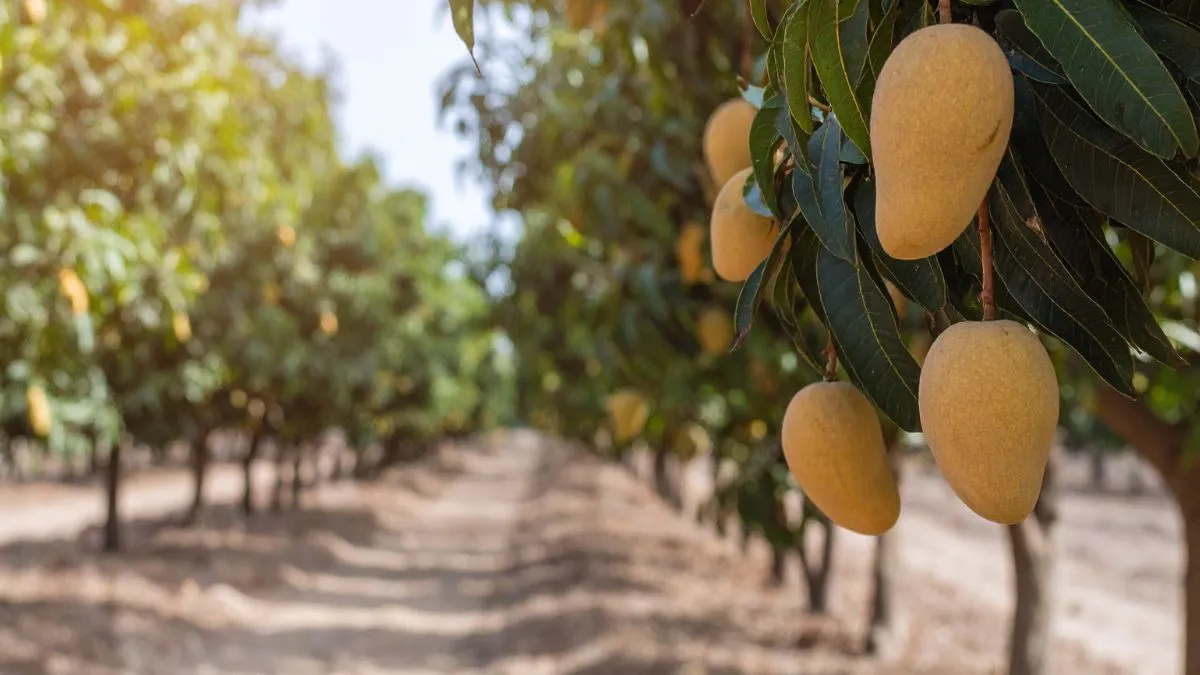

Flooding across northern Australia has disrupted mango production, with Manbulloo Ltd reporting erosion damage, harvest delays and quality pressure following an unusually wet season.
The impact has been most severe in the Northern Territory, where repeated river flooding affected farms near Katherine. According to managing director Marie Piccone, the damage has mainly hit farmland conditions rather than core infrastructure.
Erosion has shifted mulch layers and irrigation systems, while some access roads now require costly repairs. However, mango trees have largely held up due to their deep root systems, limiting long-term production risk.
Operational disruption has also been a factor. One farm was cut off twice during the floods, including a 10-day isolation period that affected workforce movement and daily operations.
In Queensland, flooding across the Atherton Tablelands, Burdekin and Townsville regions disrupted the final stage of the harvest. Growers were still able to complete picking, although heavy rainfall led to some fruit quality downgrades.
The wet conditions are expected to increase pest and disease pressure in the coming months, adding another layer of risk as farms move into post-harvest and early preparation cycles.
Despite the short-term disruption, the season has delivered a key upside. Water reserves across northern Australia have been significantly replenished, improving irrigation security ahead of the next growing cycle.
That balance matters for supply planning. While near-term volumes and quality may be uneven, stronger water availability reduces the risk of future shortages in a region that depends heavily on seasonal rainfall.
Attention is also turning to external cost pressures. Rising fuel prices linked to global instability could affect transport and harvesting costs later in the year, particularly during the peak export window from September.
Why it matters
Australia is a key seasonal mango supplier to several export markets. Weather disruption at origin can affect export timing, retail quality tiers and pricing across global fruit supply chains. This aligns with broader shifts seen in Australian fresh produce supply trends, where climate volatility is becoming a more consistent risk factor for retailers and importers.
Ending
For now, the sector is stabilising after the floods, with growers shifting focus to recovery and the next production cycle. Cost pressures and weather-linked risks remain the key watchpoints heading into the second half of the year.
Editor’s Note: This report is based on industry coverage and company-level commentary, with information sourced and cross-checked from FreshPlaza and related fresh produce trade reporting.