
DIA is expanding individual and smaller pack formats across its private-label range as household sizes continue to shrink across Spain.
The retailer confirmed it is promoting single-serve and reduced-size products in ready meals, pantry staples and snacks, targeting single-person and two-person households.
The shift reflects structural demographic change. According to a Kantar study cited by the company, single-person households in Spain are projected to increase from 5.4 million in 2024 to 7.7 million in 2039, a rise of 41.9%. Two-person households are expected to grow from 5.5 million to 7.2 million over the same period.
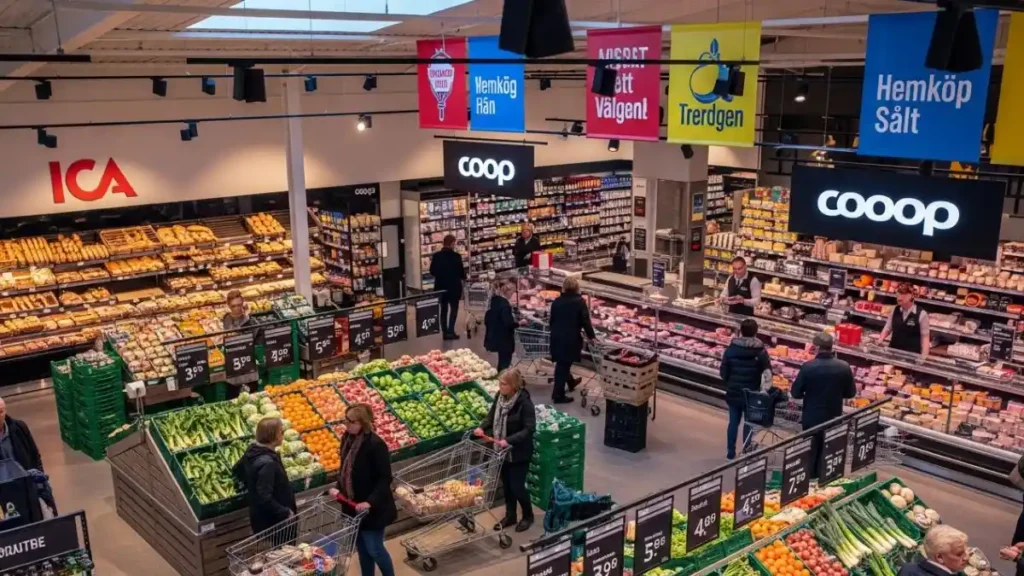
For any supermarket in Spain, that evolution directly affects pack sizing, category planning and private-label development.
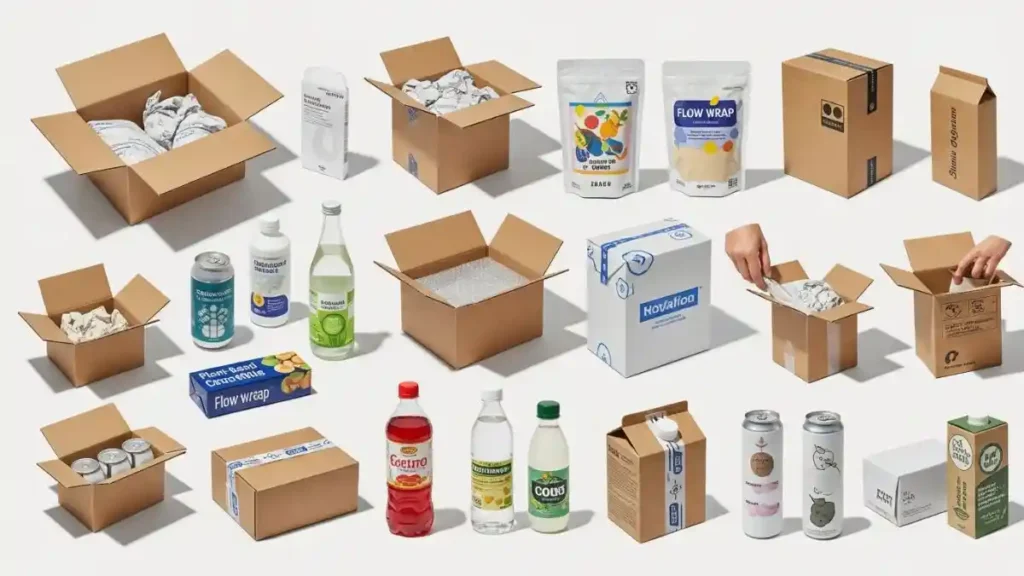
Dia’s range now includes 300g lasagna portions, 220g mini tortilla, 40g nut mixes, 50g mini fuet, 100g instant coffee and 500g packs of rice and legumes. The retailer is also promoting individual desserts and ready-to-eat options designed for smaller kitchens and more flexible meal routines.
The move positions packaging as a strategic lever rather than a cosmetic adjustment. Smaller formats allow tighter portion control and more frequent purchasing cycles, while reducing the risk of unused food in the home.
Food waste remains a significant issue nationally. According to the 2024 Report on Food Waste in Households by Spain’s Ministry of Agriculture, Fisheries and Food, each person discards an average of 23.6 kilograms of food per year. Households account for the largest share, often linked to over-purchasing or formats that exceed real consumption needs.
Dia said the initiative also aligns with its “Eat Better Every Day” programme, developed with the Spanish Society of Community Nutrition, which encourages planning routines such as reviewing pantry stock before shopping.
Across the supermarket in Spain sector, format resizing is increasingly tied to margin optimisation, inventory efficiency and sustainability targets. As household fragmentation accelerates, pack architecture is becoming a competitive variable within private label strategy.
Why It Matters
Smaller households change volume dynamics.
When single and two-person homes represent the fastest-growing segments, traditional family-size packaging risks slowing rotation and increasing waste.
For retailers, smaller formats can:
Improve stock turnover in fresh and ready-meal categories
Support price accessibility through lower entry price points
Reduce markdown exposure
Align sustainability messaging with measurable household impact
Private label plays a central role because it offers greater flexibility in pack redesign and cost control compared with national brands.
In a concentrated retail market like Spain, adapting format architecture early can strengthen competitive positioning and protect share in high-frequency categories.
Dia’s strategy signals how supermarkets are recalibrating product design to reflect how people actually live — not how households were structured a decade ago.
Editor’s Note: Based on Dia’s February 5, 2026 announcement and publicly cited data from Kantar and Spain’s Ministry of Agriculture, Fisheries and Food (2024 report).