
The Dutch fresh produce season has started with early volumes of strawberries, asparagus, and fruit vegetables now entering the market, marking the beginning of a key supply period for supermarkets.
Initial shipments of Dutch strawberries are already available, alongside the first asparagus harvest of the season. Fruit vegetables such as tomatoes, cucumbers, and bell peppers are also returning to shelves, with volumes expected to build steadily in the coming weeks.
This early supply phase is closely watched by supermarket buyers, as spring typically drives a sharp increase in demand for fresh, locally sourced products. The Netherlands remains one of Europe’s most important fresh produce hubs, supplying both domestic retailers and export markets.
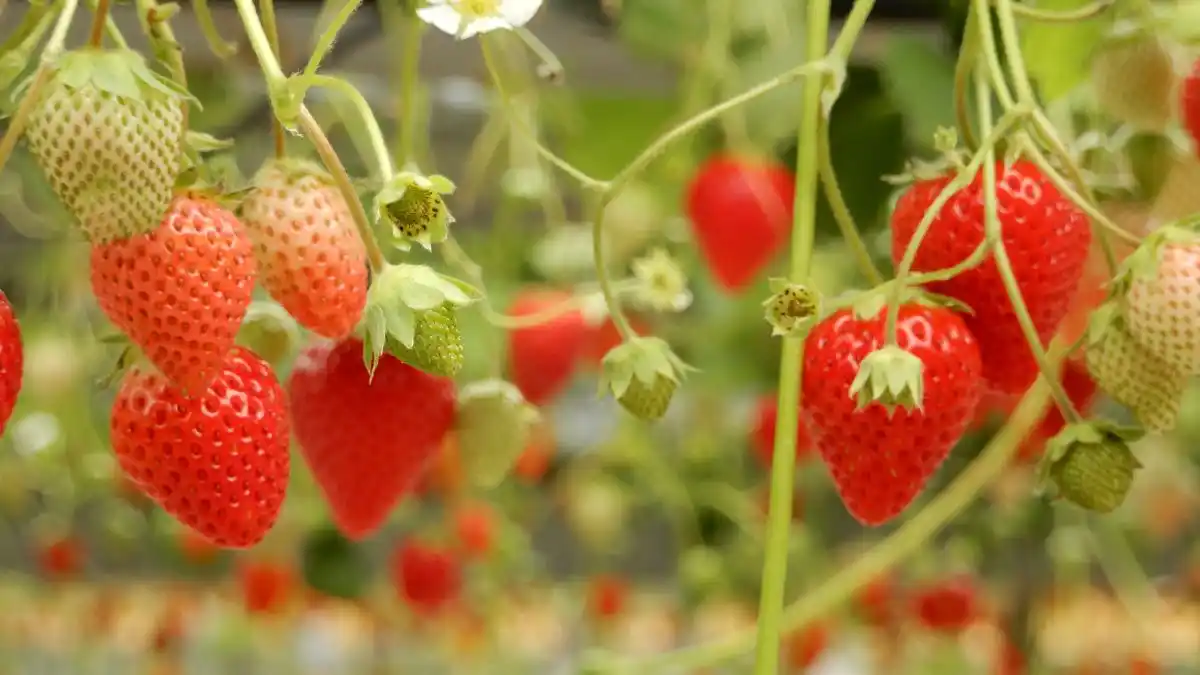
Strawberries are among the first products to gain momentum. Early varieties are showing strong quality, with consistent color, texture, and sweetness. For retailers, this signals the start of promotional activity in the berries category, which often plays a key role in driving seasonal footfall.
The asparagus season has also officially begun. Often referred to as “white gold” in the region, asparagus is a high-value seasonal product with a short but intense demand window. Supermarkets typically use the category to highlight local sourcing and premium positioning during spring.
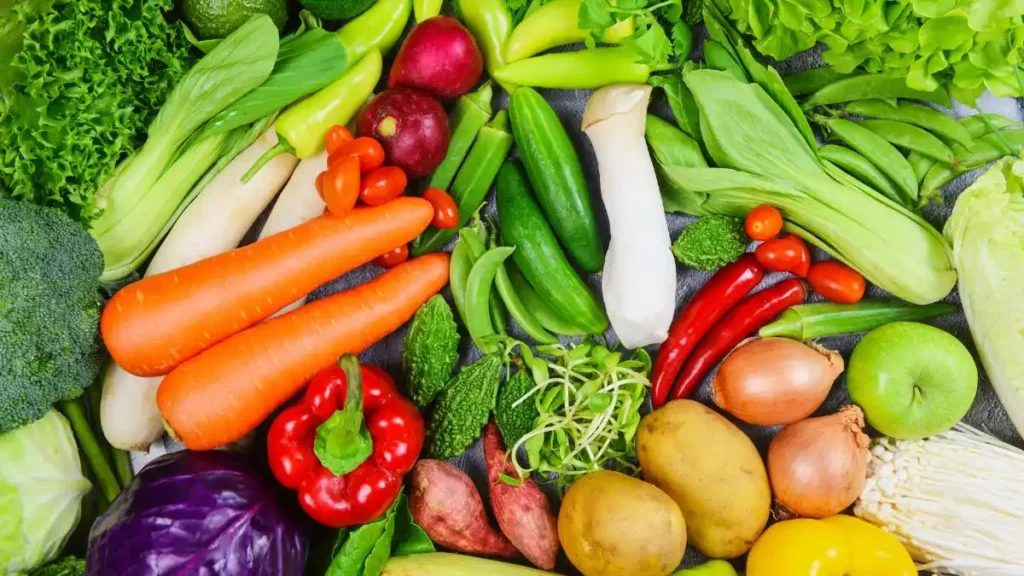
Fruit vegetables are now rebuilding supply after the winter period. Tomatoes, cucumbers, and peppers are gradually increasing in availability, forming a core part of the fresh category. These products remain essential for retailers due to their high turnover and everyday demand.
Supply chain structure is also in focus at the start of the season. Grower relationships and domestic cultivation play a central role in ensuring consistent supply, particularly as retailers continue to prioritise shorter, more transparent supply chains. This aligns with ongoing demand for locally sourced and sustainably produced food across the Netherlands FMCG market.
Private label continues to play a visible role within fresh produce. Supplier-led brands and retailer programmes are being used to signal quality, origin, and consistency, particularly in categories such as asparagus and greenhouse vegetables.
For supermarkets, the coming weeks will be critical. As volumes increase, retailers are expected to expand promotions, adjust pricing strategies, and strengthen in-store positioning across fresh categories.
The Dutch fresh produce season typically peaks through late spring and early summer, with supply levels and category performance closely linked to weather conditions and consumer demand patterns.
Editor’s Note: This update is based on a seasonal supply release from Staay Food Group, outlining the start of the Dutch fresh produce season, including strawberries, asparagus, and fruit vegetables. No retail pricing or year-on-year volume comparisons were disclosed at the time of publication.