
Euro area annual inflation rose to 2.6% in March 2026, up from 1.9% in February, according to Eurostat. Across the European Union, inflation increased to 2.8% over the same period. The rise was driven mainly by services, energy, and food-related categories, with food, alcohol and tobacco continuing to add pressure on household spending and retail pricing conditions.
Food inflation remained a key contributor to the overall index, while most EU member states recorded higher annual rates compared with February.
At a glance
- Euro area inflation: 2.6% (March 2026)
- EU inflation: 2.8% (March 2026)
- Food, alcohol & tobacco contribution: 0.45 percentage points
- Services remained the largest inflation driver
- Inflation rose in 23 EU member states
- Romania recorded the highest rate: 9.0%
- Denmark recorded the lowest rate: 1.0%
Inflation snapshot (March 2026)
| Region / Country | Inflation rate |
|---|---|
| Euro area | 2.6% |
| European Union | 2.8% |
| Romania | 9.0% |
| Croatia | 4.6% |
| Lithuania | 4.4% |
| Croatia | 4.6% |
| Denmark | 1.0% |
| Czechia | 1.5% |
| Cyprus | 1.5% |
| Sweden | 1.5% |
Why did EU inflation rise in March 2026?
Inflation increased mainly due to stronger contributions from services, energy, and food categories. Services remained the largest driver, while energy returned to a positive contribution after previous declines, adding upward pressure to the overall rate.
Food, alcohol and tobacco also continued to support inflation levels above 2%, reflecting ongoing pressure in everyday consumption categories.
How important is food inflation in the overall rate?
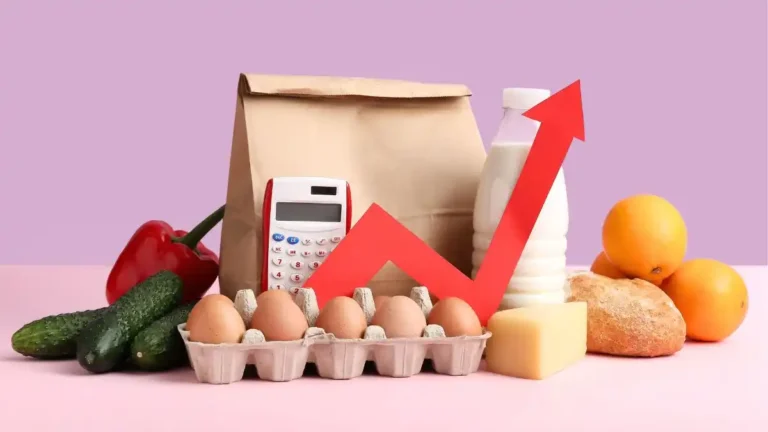
Food, alcohol and tobacco contributed 0.45 percentage points to euro area inflation in March 2026. This keeps food among the most stable upward forces in the inflation basket, alongside services.
Within food, unprocessed categories showed more volatility than processed items, pointing to uneven pricing pressure across grocery supply chains.
What does this mean for supermarkets and FMCG pricing?
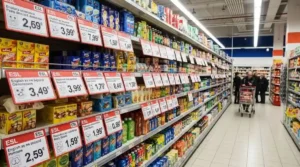
For supermarkets and FMCG companies, the data signals continued cost sensitivity in food-linked categories. While inflation is not accelerating sharply, food remains a consistent driver of pricing pressure, influencing promotions, shelf pricing strategies, and private label positioning.
Retailers are expected to continue balancing affordability with margin stability in core grocery segments.
Which countries show the widest inflation gap?
Inflation differences across the EU remain significant. Romania recorded the highest rate at 9.0%, while Denmark remained at 1.0%. This gap reflects uneven energy exposure, domestic pricing structures, and broader economic conditions across member states.
Such divergence continues to influence how retailers manage pricing across different European markets.
What happens next?
Eurostat will release its next flash estimate for April 2026 on 30 April 2026. Markets will watch closely whether food and services continue to drive inflation or if broader price stability begins to strengthen across the euro area.
For retail and FMCG sectors, the next update will be key in assessing whether current food inflation pressure is sustained or gradually easing.
Editor’s Note: This article is based on Eurostat HICP data for March 2026. It reflects official inflation figures across the euro area and EU, with added retail context for clarity.