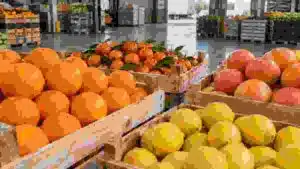

Spain operates one of Europe’s largest supermarket sourcing and fresh produce supply systems.
Many suppliers hope to sell products into Spanish grocery chains, such as:
- Mercadona
- Carrefour Spain
- Lidl Spain
- DIA
- Eroski
- Alcampo
- other grocery chains
For these suppliers, certification has become much more than a technical requirement.
In many categories, it now directly affects:
- supermarket approval
- export access
- retailer sourcing contracts
- private label manufacturing
- long-term supply-chain credibility
Spain’s grocery market is very different from Italy, France, Germany or the United Kingdom.
The country’s supermarket system is heavily shaped by:
- fresh produce exports
- agricultural sourcing
- retailer procurement systems
- traceability
- private label growth
- export-driven food manufacturing
That environment has made Spain one of Europe’s most certification-focused grocery supply markets.
Unlike Italy, which focuses heavily on origin protection and premium regional identity, Spain places much stronger pressure on:
- produce compliance
- farm audits
- pesticide management
- export traceability
- supermarket sourcing standards
This is especially important because Spain exports enormous volumes of:
- citrus
- berries
- tomatoes
- peppers
- olive oil
- seafood
- wine
- packaged grocery products
Retailers and export buyers increasingly want proof that products are safe, traceable, responsibly sourced and operationally consistent.
That is why certification systems in Spain often extend far beyond basic food safety audits.
Certification strategy is increasingly connected to long-term market access across the Spanish supermarket supply chain. This applies to:
- food manufacturers
- exporters
- fresh produce suppliers
- greenhouse operators
- seafood companies
- olive oil producers
- private label suppliers
This article explains which certifications suppliers actually need to sell to Spanish supermarkets. It also covers how retailer expectations differ across the market, and which standards matter most in Spain’s grocery industry in 2026.
At a glance
Spain is one of Europe’s most export-focused grocery and fresh produce markets.
- IFS remains one of the strongest retailer-recognized certification systems across Spanish supermarket supply chains, especially in private label manufacturing.
- GlobalG.A.P is particularly important because Spain is one of Europe’s largest fruit and vegetable exporters.
- HACCP forms the operational base behind most food safety systems used across Spain and the European Union.
Spanish supermarkets are also increasing pressure around:
- traceability
- pesticide management
- sustainability
- supplier transparency
- export compliance
Retailers continue tightening standards across the wider Spanish fresh produce sector and Spanish private label market.
What certifications do Spanish supermarkets actually require?
Most Spanish supermarkets do not operate with one universal certification requirement covering every supplier category.
Instead, suppliers usually face multiple overlapping layers involving:
- EU food law
- HACCP systems
- retailer procurement standards
- export requirements
- farm audits
- third-party certification
For large supermarket contracts, retailers increasingly expect suppliers to hold certification under a GFSI-recognized scheme.
In Spain, the most influential systems often include:
| Certification | Main Role in Spain | Common Supplier Types |
|---|---|---|
| IFS | Supermarket supplier approval | Private label, packaged foods |
| GlobalG.A.P | Farm and produce sourcing | Fruit, vegetables, berries |
| BRCGS | Export retail alignment | Exporters, packaging suppliers |
| FSSC 22000 | Industrial food manufacturing | Ingredients, beverages |
| HACCP | Operational food safety | Seafood, meat, dairy |
| Organic certification | Organic grocery and exports | Produce, olive oil |
| Halal certification | Export and domestic grocery | Meat, prepared foods |
| Kosher certification | Export grocery | Ingredients, snacks |
Where IFS is strongest
In practice, IFS remains one of the strongest retailer-recognized standards across Spanish supermarket retail.
That influence is especially strong in:
- private label manufacturing
- processed foods
- packaged grocery
- frozen foods
- chilled products
However, Spain differs from many other European markets. GlobalG.A.P carries unusually high importance across supermarket sourcing systems.
That is directly linked to the size of Spain’s agricultural export sector.
Why Spain’s supermarket system is different
Spain’s grocery industry operates differently from many global retail markets. Agriculture and fresh produce exports play a large role in the economy.
Retailers and exporters manage enormous supply chains involving:
- fruit
- vegetables
- greenhouse production
- seafood
- olive oil
- processed grocery
That creates major pressure around:
- traceability
- farm compliance
- pesticide controls
- sustainability
- supplier audits
A strong private label environment
Spanish supermarkets also operate inside one of Europe’s strongest private label environments.
Retailers increasingly rely on supplier verification systems to protect their own-brand grocery ranges.
That pressure is especially visible across the Spanish FMCG sector, where supermarkets continue expanding private label food production.
Export exposure
Spain is also highly export-oriented.
Suppliers often need to satisfy domestic supermarket standards. They also need to meet international retail expectations across Europe, the UK, the Middle East and North America.
That export exposure increases the importance of:
- audit systems
- traceability
- export documentation
- internationally recognized certification
IFS: One of the strongest certifications in Spain
IFS remains one of the most influential certification systems across Spanish supermarket supply chains.
IFS became deeply integrated into European retail procurement systems and private label manufacturing structures.
Today, many Spanish retailers strongly prefer suppliers that hold IFS certification.
The certification is especially common in:
- packaged foods
- dairy
- bakery
- frozen foods
- chilled products
- seafood
- processed grocery
Why IFS became so important
One reason IFS became so important in Spain is the strong retailer focus on operational consistency and export-ready manufacturing.
Spanish supermarkets increasingly rely on standardized supplier verification systems to reduce food safety and supply-chain risks.
IFS certification places strong emphasis on:
- traceability
- supplier accountability
- documentation
- food defense
- operational consistency
Many suppliers operate in the Spanish grocery retail sector. For them, IFS works as a commercial access tool rather than simply a food safety audit.
Why Spanish retailers rely heavily on IFS
Spanish retailers increasingly use IFS because it aligns closely with European retail supply systems. It also fits private label manufacturing requirements.
The certification allows supermarkets to standardize supplier approval across large and complex grocery supply chains.
For suppliers targeting national supermarket contracts, IFS certification has become commercially important across much of the Spanish private label market.
Without recognized certification, suppliers may struggle to secure large-scale supermarket partnerships. This is particularly true in higher-risk food categories.
GlobalG.A.P: Why it matters so much in Spain
GlobalG.A.P is one of the most important certification systems operating across Spain’s fresh produce sector.
This is one of the biggest differences between Spain and countries such as Germany or Italy.
Spain exports huge volumes of fresh produce into European supermarket systems. So retailers increasingly expect growers and produce suppliers to hold farm-level certification and traceability systems.
Which products need it
GlobalG.A.P is especially important for:
- citrus
- berries
- tomatoes
- peppers
- leafy greens
- stone fruit
- greenhouse vegetables
What it covers
The certification focuses heavily on:
- agricultural traceability
- pesticide management
- worker safety
- environmental controls
- water management
- responsible farming practices
For many produce suppliers operating across the Spanish fresh produce sector, GlobalG.A.P certification is commercially essential.
Is GlobalG.A.P required for Spanish produce suppliers?
GlobalG.A.P is not legally required under EU law.
However, many supermarkets and export buyers strongly prefer or expect certification from produce suppliers.
In practice, suppliers without recognized farm assurance systems may struggle to access large retail sourcing programs.
That is particularly true for export-oriented fruit and vegetable operations.
HACCP remains the operational foundation
Hazard Analysis and Critical Control Points remains the operational backbone behind most food safety systems used across Spain.
Under European food law, HACCP principles are deeply integrated into food manufacturing requirements.
That means suppliers are expected to identify and control risks involving:
- contamination
- allergens
- chemical hazards
- physical hazards
- process failures
HACCP systems are especially important in:
- seafood
- dairy
- meat
- olive oil
- prepared meals
- chilled foods
HACCP vs retailer certification
Many suppliers misunderstand the difference between HACCP and retailer-recognized certification systems such as IFS or BRCGS.
HACCP itself is not a supermarket certification framework. Instead, it forms the operational base behind many broader food safety systems.
Without strong HACCP implementation, keeping up certification performance becomes difficult during real production conditions.
Is HACCP enough for Spanish supermarkets?
In most cases, HACCP alone is not enough for large Spanish supermarket supply chains.
HACCP principles are operationally essential under EU food law. But major retailers increasingly expect suppliers to hold recognized third-party certification such as IFS or BRCGS.
That is especially true for:
- private label suppliers
- export manufacturers
- seafood companies
- chilled food production
BRCGS in Spanish grocery supply chains
BRCGS continues to play an important role across Spanish food manufacturing, especially among exporters and multinational suppliers.
IFS is generally stronger inside domestic Spanish retail systems. But BRCGS remains highly respected internationally.
Spanish suppliers exporting into UK and international supermarket systems often hold BRCGS certification alongside IFS.
BRCGS is especially common in:
- packaging production
- export manufacturing
- storage and distribution
- ingredient processing
- multinational supply chains
This is particularly important across the Spanish food exports sector, where international retailer compatibility matters heavily.
FSSC 22000 and ISO 22000 in Spain
FSSC 22000 and ISO 22000 are widely used among larger industrial manufacturers operating in Spain.
These systems are especially common in:
- beverages
- ingredients
- industrial food processing
- food additives
- multinational FMCG production
Compared with IFS, FSSC 22000 is generally viewed as more internationally focused rather than retailer-specific.
Many global manufacturers operating across several export markets prefer FSSC 22000. It integrates more easily into international production systems.
Organic certification in Spanish supermarkets
Organic grocery continues growing across the Spanish FMCG sector.
Spain also operates one of Europe’s largest organic farming sectors.
Demand is especially strong in:
- fresh produce
- olive oil
- wine
- packaged foods
- premium grocery
Spanish supermarkets continue expanding organic ranges. Consumers increasingly focus on sustainability and ingredient transparency.
What organic certification covers
Organic certification systems focus heavily on:
- ingredient sourcing
- pesticide restrictions
- environmental controls
- production methods
- traceability
Organic exports also continue growing across Europe and international markets. This increases the importance of recognized certification systems.
Seafood and olive oil certification systems
Spain’s grocery sector also places strong focus on seafood and olive oil traceability.
Export buyers and retailers increasingly want stronger verification involving:
- origin
- sustainability
- authenticity
- production standards
This is particularly important across the Spanish food manufacturing sector and export-driven grocery categories.
What olive oil and seafood suppliers face
Olive oil suppliers increasingly face pressure around:
- authenticity testing
- fraud prevention
- labeling accuracy
- traceability documentation
Seafood companies also face rising sustainability and sourcing expectations from both retailers and export markets.
Halal certification in Spain
Halal certification continues becoming more important across both export and domestic grocery markets in Spain.
Demand is growing across:
- meat
- frozen foods
- prepared meals
- snacks
- processed grocery
Spanish exporters increasingly need Halal certification for shipments into Middle Eastern and Asian markets.
Retailers are placing stronger emphasis on certification credibility and traceability systems.
Kosher certification in Spain
Kosher certification remains commercially important in several Spanish export-oriented categories.
Kosher certification is commonly used in:
- ingredients
- confectionery
- packaged foods
- beverages
- bakery
Many manufacturers also use Kosher certification as a broader signal of ingredient transparency and production discipline.
Which certifications matter most by supplier type?
| Supplier Type | Most Important Certifications |
|---|---|
| Fresh produce suppliers | GlobalG.A.P, IFS, Organic certification |
| Private label manufacturers | IFS, HACCP, retailer audits |
| Seafood suppliers | HACCP, IFS, sustainability audits |
| Olive oil producers | Traceability systems, Organic certification |
| Ingredient manufacturers | FSSC 22000, ISO 22000 |
| Export-oriented suppliers | BRCGS, IFS, GlobalG.A.P |
Frequently Asked Questions
Is GlobalG.A.P legally required in Spain?
No. GlobalG.A.P is not legally required under EU law. But many supermarkets and export buyers strongly prefer or expect certification from produce suppliers.
Is HACCP enough to supply Spanish supermarkets?
In most cases, no. Major retailers increasingly expect suppliers to hold recognized third-party certification such as IFS or BRCGS.
Which certification is strongest in Spanish supermarket supply?
IFS remains one of the strongest retailer-recognized standards across Spanish supermarket retail. GlobalG.A.P also carries unusually high importance because of Spain’s large agricultural export sector.
What happens next for Spanish supermarket certification?
Spanish supermarket supplier requirements are likely to become more demanding over the next several years.
Across the wider Spanish supermarket supply chain, retailers are placing increasing pressure around:
- traceability
- sustainability
- pesticide management
- supplier transparency
- export verification
The spanish fresh produce sector is also likely to face stronger retailer pressure. This covers farm audits, environmental reporting and agricultural traceability systems.
Export-facing suppliers will continue facing growing expectations around:
- origin verification
- sustainability
- residue testing
- food fraud prevention
- international certification compatibility
The spanish private label market is also expanding rapidly. This increases pressure on manufacturers to deliver stronger audit performance and operational consistency.
For many suppliers, certification is no longer simply about food safety compliance.
It is increasingly becoming part of long-term credibility across spanish grocery retail, Spanish food manufacturing and the wider Spanish food exports sector.