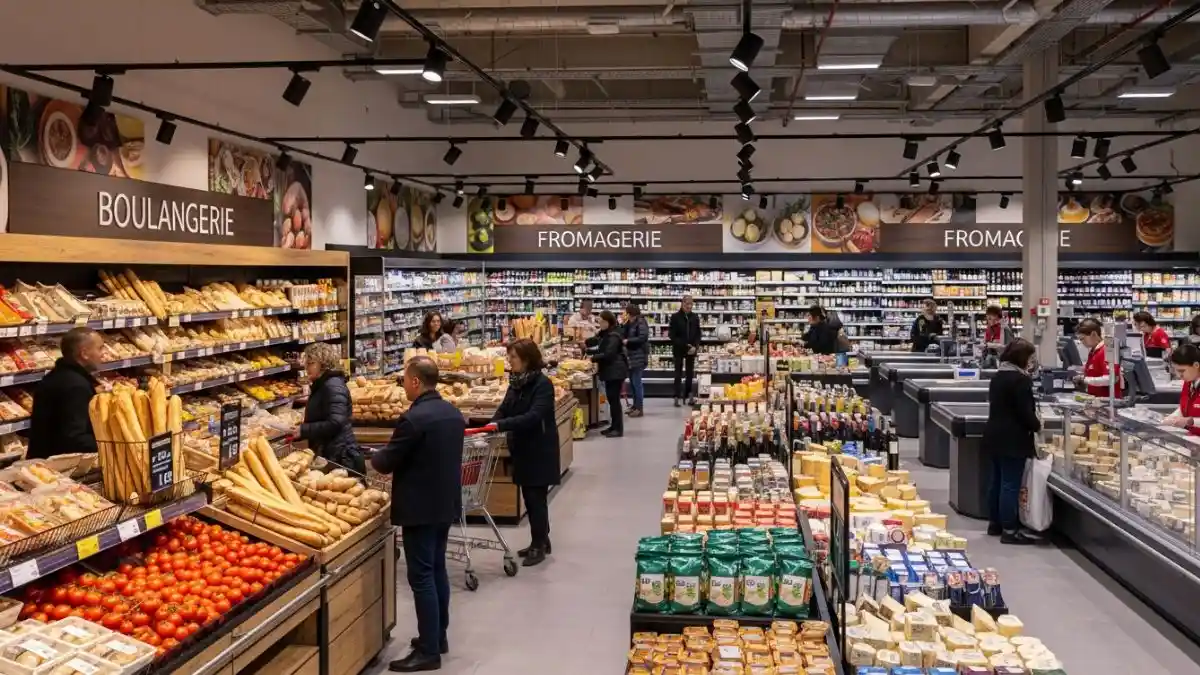

France’s mass consumption market returned to growth in 2025, marking a turning point for branded FMCG suppliers after two years of heavy inflation pressure. Market data shows volumes and revenue rising together for the first time in more than a decade.
According to NielsenIQ market tracking, French consumer spending stabilised during 2025 as inflation eased and household budgets adjusted to higher price levels. The combined increase in volumes and sales value signals a shift away from growth driven purely by price rises.
The recovery remains uneven across categories. Consumers continue to make trade-offs, prioritising everyday essentials while limiting discretionary spending. Value sensitivity remains high, influencing brand choice, pack sizes and promotional activity.
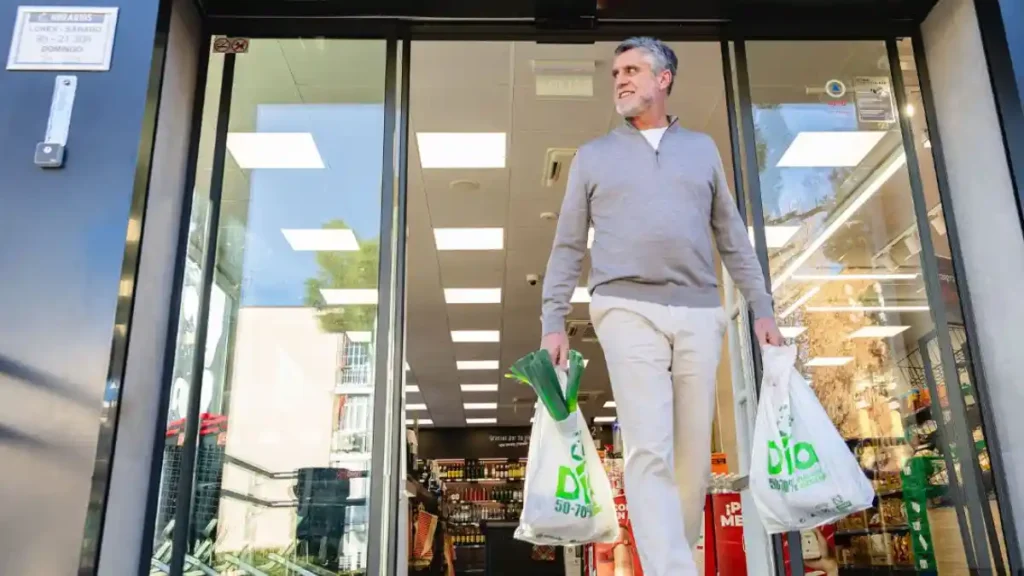
Retail distribution is also changing. Discounters, convenience formats and online grocery continue to reshape purchasing patterns, forcing suppliers to adapt route-to-market strategies and shelf positioning.
For France A brands, the rebound creates renewed shelf momentum but in a more competitive environment. Branded manufacturers are operating under continued promotional pressure while defending market share against expanding private label ranges.
Why It Matters
The return of volume growth alongside revenue expansion is a key signal for FMCG suppliers and supermarket partners. It suggests demand is stabilising, even as consumers remain cautious.
For national brands, this shift supports category recovery but requires sharper pricing strategies, stronger promotional planning and tighter retail partnerships to maintain shelf visibility.
What Happens Next
Early market projections for 2026 point to continued but moderate growth. Inflation trends, wage development and retailer pricing strategies will remain decisive factors. Channel restructuring and supplier consolidation are also expected to shape the competitive landscape across the French FMCG market.
Editor’s Note: This article is based on French mass consumption market tracking and industry estimates published in February 2026. Figures reflect national trends and may vary by category and retail channel.