
High Liner Foods Incorporated shareholders approved all proposed matters during the company’s Annual General Meeting held on May 13, 2026, in Halifax. The approval included the election of all director nominees, the appointment of PricewaterhouseCoopers LLP as auditor, and support for the company’s executive compensation resolution.
The announcement matters because High Liner Foods is one of North America’s largest value-added frozen seafood suppliers, serving supermarkets, club retailers, private label programs, restaurants, and foodservice operators across Canada, the United States, and Mexico.
At a glance
- High Liner Foods held its AGM on May 13, 2026
- All proposed directors were elected by shareholders
- Shareholders approved executive compensation
- PricewaterhouseCoopers LLP was reappointed as auditor
- The company supplies frozen seafood to North American retailers
- High Liner Foods is also a major private label seafood supplier
- The company trades on the Toronto Stock Exchange under HLF
What is High Liner Foods?
High Liner Foods Incorporated is a Canadian frozen seafood processor and marketer focused on value-added seafood products. Its products are sold through supermarkets, club stores, foodservice distributors, restaurants, and institutional channels across North America.
The company owns several retail seafood brands, including:
- High Liner
- Fisher Boy
- Sea Cuisine
- Mrs. Paul’s
- Van de Kamp’s
It also manufactures private label frozen seafood products for retailers throughout the North American grocery sector.
What happened at the High Liner Foods AGM?
Shareholders approved all major voting items presented during the Annual General Meeting.
All nominated directors listed in the company’s Management Information Circular dated March 24, 2026, were elected. Voting support levels remained high across the board, with most nominees receiving approval rates above 95%.
The company also confirmed the reappointment of PricewaterhouseCoopers LLP as auditor for the coming year.
In addition, shareholders approved the advisory resolution on executive compensation.
Why does this matter for supermarkets and frozen food retail?
High Liner Foods operates deep within the North American frozen seafood supply chain.
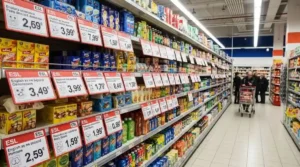
The company supplies products to major grocery retailers, club chains, and foodservice operators, making it an important supplier within the frozen protein category.
Its private label seafood operations are also relevant as retailers across the Canada FMCG sector continue expanding own-brand frozen food ranges to improve pricing competitiveness and customer loyalty.
Frozen seafood remains a strategic category for retailers because it combines longer shelf life with growing consumer demand for convenience-oriented meal solutions.
How strong is High Liner Foods’ retail presence?
High Liner Foods maintains broad retail distribution across North America.
Its branded seafood products are sold in grocery stores throughout the United States and Canada, while its private label business supports supermarket chains seeking lower-cost alternatives to national seafood brands.
The company also supplies foodservice customers, including restaurants and institutional operators, creating diversified exposure across both retail and hospitality channels.
That balanced model helps reduce dependence on a single customer segment.
What industry trends are shaping frozen seafood in 2026?
Frozen seafood suppliers are operating in a market influenced by inflation pressures, shifting consumer spending patterns, and increased retailer focus on private label development.
Supermarkets are also placing greater emphasis on:
- value-oriented protein categories,
- supply-chain stability,
- frozen convenience products,
- and inventory efficiency.
These trends are increasing the importance of large-scale seafood processors capable of supporting both branded and retailer-owned product lines.
At the same time, retailers are continuing to strengthen sourcing partnerships with suppliers able to manage long-term seafood procurement and production consistency.
What happens next?
High Liner Foods is expected to continue focusing on operational stability, retail distribution, and private label seafood growth throughout 2026.
The company’s position inside North American supermarket supply chains means future performance will remain closely tied to frozen food demand, retailer pricing strategies, and seafood sourcing conditions.
Private label expansion across the Canada FMCG market could also continue creating additional opportunities for frozen seafood suppliers with established grocery relationships.
As supermarkets continue balancing affordability with category diversification, frozen seafood is likely to remain an important retail segment across North America.
Editor’s Note: Information in this article is based on the official AGM announcement released by High Liner Foods Incorporated on May 14, 2026.