
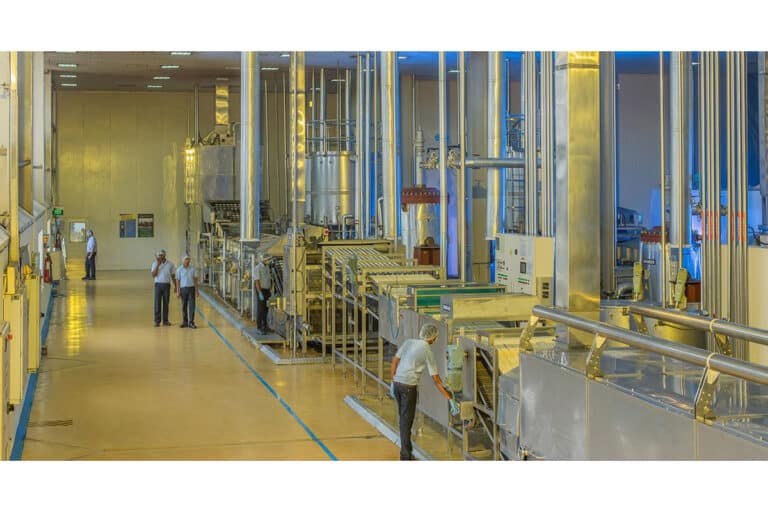

ITC’s non-cigarette FMCG business increased consolidated revenue by 19% in the quarter ended 30 September 2026, with biscuits, snacks, noodles and other food categories among the strongest performers.
The Indian group published the results on 2 November. It described the performance as its fastest FMCG revenue growth in 14 quarters and its fourth consecutive quarter of double-digit growth.
The 19% figure covers the FMCG-Others segment, which includes packaged food, personal care, homecare and stationery. It is not a measure of food sales alone or the growth rate of the entire ITC group.
On the company’s like-for-like basis, consolidated FMCG revenue rose 17.3%. Growth excluding atta, the wheat flour category sold under Aashirvaad, was 23%. These are revenue measures: they should not be read as equivalent increases in the number of packs sold.
Biscuits, snacks, noodles, spices, salt and frozen snacks were among the categories reporting growth above 20%. Dairy and personal wash grew in the high teens. Homecare and notebooks also exceeded 20%, illustrating why the wider segment total needs to be separated from grocery food categories.
Within food, ITC reported higher volumes and stronger realisations in Sunfeast biscuits and cakes. It also described volume-led growth in YiPPee! noodles, Bingo! snacks and Aashirvaad salt. Its frozen snack offer combines the ITC Master Chef range with Prasuma products, giving the group a broader position across cuisines and eating occasions.
The business expanded its EBITDA margin by about half a percentage point despite input cost inflation. ITC attributed the improvement to product mix, cost management and selective pricing. For retail buyers, that combination makes the balance between premium products, everyday lines and promotional activity more useful to examine than the headline revenue figure alone.
ITC’s digital-first and organic portfolio grew by more than 70%, with an annual revenue run rate above ₹1,800 crore. A run rate is an annualised indicator, rather than revenue earned during this single quarter. The group also reported growth through channel-specific business plans, assortments and sell-out activity, alongside a recovery in general trade.
These figures describe ITC’s own portfolio and distribution performance, rather than an industry-wide forecast for Indian grocery demand. They also leave room for differences between categories: the lower overall growth rate when atta is included is particularly relevant to buyers comparing staple foods with snacks and other packaged products.
GTN’s recent coverage of Nestlé’s food and petcare sales and Kerry’s food reformulation demand offers wider supplier context. The reporting periods, business mixes and growth measures differ, so their percentages should not be treated as a direct ranking against ITC.
ITC said Indian demand remained resilient, while uneven monsoons, reservoir levels and strengthening El Niño conditions posed risks to agricultural output and inflation. The next test will be whether the FMCG business can sustain its category growth while managing commodity costs and protecting margins.
Editor’s Note: Based on ITC’s media statement published on 2 November 2026 for the quarter ended 30 September 2026, the second quarter of FY2027. GTN separates consolidated FMCG growth, like-for-like revenue and category commentary, and distinguishes annualised run rates from quarterly sales.