
Kesko has received official validation from the Science Based Targets initiative (SBTi) for its new near-term and long-term emission reduction targets, covering the full value chain and extending to 2050. The Finnish retail group will cut operational emissions, accelerate electrification, and work more closely with suppliers to reduce product-related emissions.
The updated targets align with the Paris Agreement and the 1.5°C pathway. They apply across Kesko’s grocery, building and technical trade, and car trade businesses.
Kesko confirmed it will reduce absolute scope 1 and 2 emissions by 58.8% by 2034 compared to a 2024 baseline. Scope 3 emissions linked to goods, services, and the use of sold products will be cut by 35% over the same period. By 2050, Kesko aims to reduce total value chain emissions by 90% and reach net-zero greenhouse gas emissions.
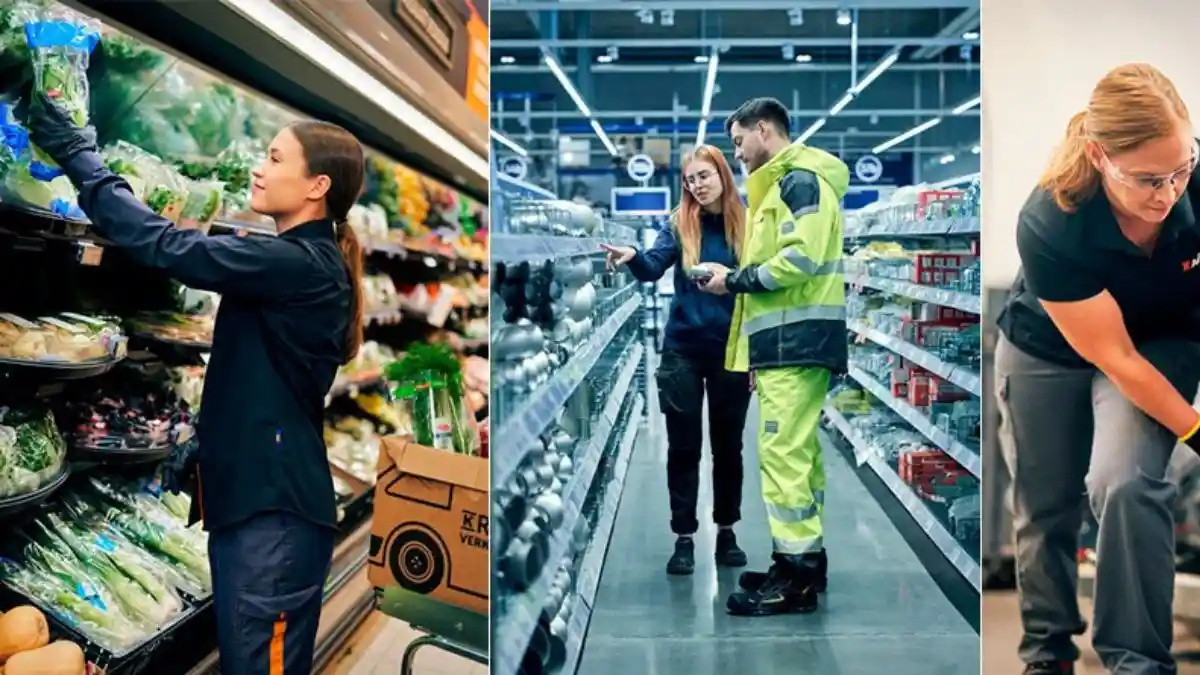
Operational changes will focus on logistics, transport, and energy use. Electric vehicles are expected to represent around 30% of Kesko’s grocery transport fleet by 2030. Heat recycling systems are already in use at more than 90 K Group grocery stores and several Kespro cash-and-carry locations. Some sites are also testing new energy models, including the use of waste heat from nearby data centres.
Supplier cooperation is a central part of the plan. Most of Kesko’s emissions come from the production and lifecycle of products sold in stores. The company is expanding its programme that encourages suppliers to adopt science-based targets and strengthen emissions reporting and reduction actions.
Customer purchasing behaviour will also play a role. Kesko plans to promote lower-emission product choices across categories, including plant-based food ranges, energy-efficient home solutions, and electric vehicles.
From a systems perspective, this strategy is closely linked to the wider Finland retail technology ecosystem. Emissions tracking, supplier data integration, transport optimisation tools, and in-store energy management platforms are increasingly critical to executing climate targets at scale. For large grocery groups, digital infrastructure is becoming as important as physical investment.
Why It Matters
Kesko’s move raises the sustainability bar in the Finnish grocery market. With K-Group operating hundreds of stores nationwide, these targets will directly influence supplier contracts, private label sourcing, logistics investments, and store refurbishment plans.
For FMCG suppliers and packaging partners, the expansion of scope 3 requirements signals tighter emissions reporting standards and stronger pressure to align production with retailer climate goals.
It also adds competitive pressure across the Nordic retail sector, where climate performance is becoming a differentiator in procurement decisions and consumer trust.