
Mountain West Food Group, LLC has issued a recall of raw ground beef products in the United States after routine federal testing detected possible contamination with E. coli O26.
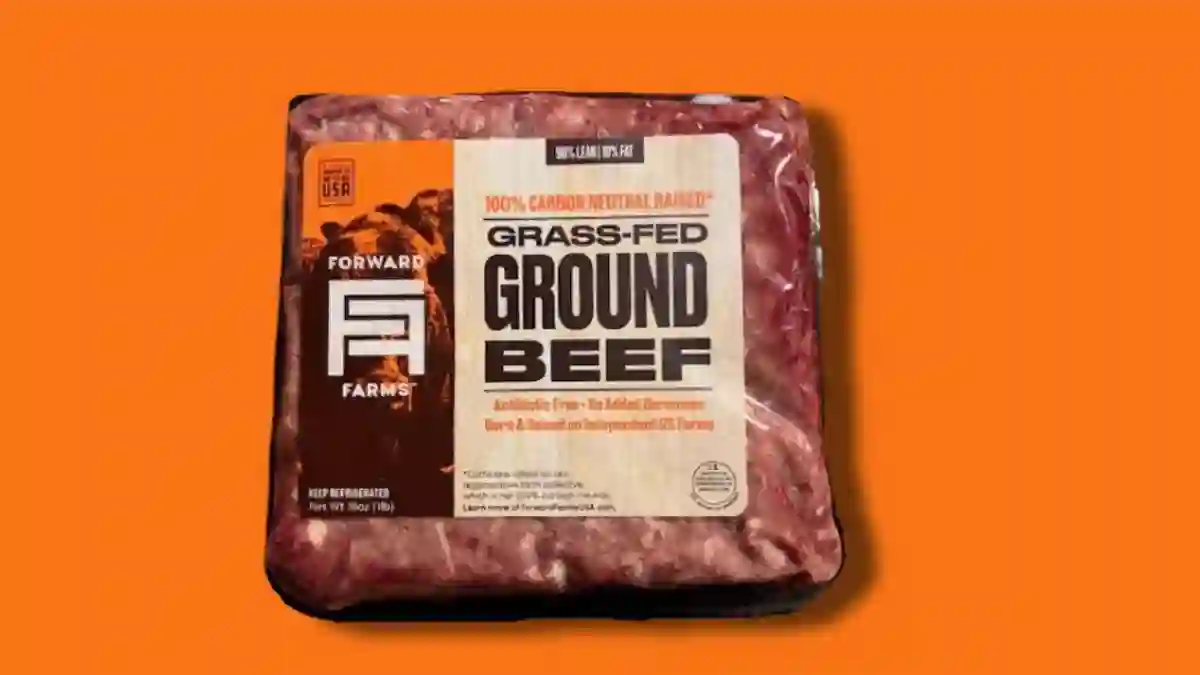
The recall covers around 2,855 pounds of grass-fed ground beef produced on 16 December 2025, according to the U.S. Department of Agriculture’s Food Safety and Inspection Service.
The affected product is sold in 16-oz vacuum-sealed packs labelled “FORWARD FARMS GRASS-FED GROUND BEEF”. Packages carry a use or freeze-by date of 13 January 2026 and establishment number EST 2083 printed on the side.
The products were shipped to distributors across California, Colorado, Idaho, Montana, Pennsylvania, and Washington for retail sale.
Food Safety Testing Triggered The Recall
The issue was identified during routine FSIS sampling, which showed the presence of E. coli O26, a strain of Shiga toxin-producing E. coli.
FSIS confirmed that no illnesses have been reported in connection with the recalled products so far. However, the agency warned that some packs may still be in consumers’ refrigerators or freezers.
Consumers are advised not to consume the product and to either dispose of it safely or return it to the place of purchase.
The recall was announced by Mountain West Food Group, LLC following coordination with USDA Food Safety and Inspection Service.
What E. coli O26 Means For Consumers
E. coli O26 can cause symptoms including diarrhea, vomiting, and abdominal pain. In some cases, infections can become more serious, particularly for young children, older adults, and people with weakened immune systems.
FSIS reiterated that ground beef should always be cooked to an internal temperature of 160°F (71°C), verified with a food thermometer, to eliminate harmful bacteria.
The agency is conducting recall effectiveness checks to ensure the product has been removed from sale and that distributors and retailers have been properly notified.
Why It Matters
Food safety recalls like this continue to shape US FMCG Trends 2025, especially in fresh and chilled protein categories.
Retailers face rising pressure to tighten supplier controls, while processors are under constant scrutiny from federal regulators. Even when no illnesses are reported, recalls can disrupt distribution, trigger waste, and affect consumer confidence at store level.
As grocery supply chains become more complex, routine testing and rapid recall execution remain critical safeguards across the US FMCG landscape.