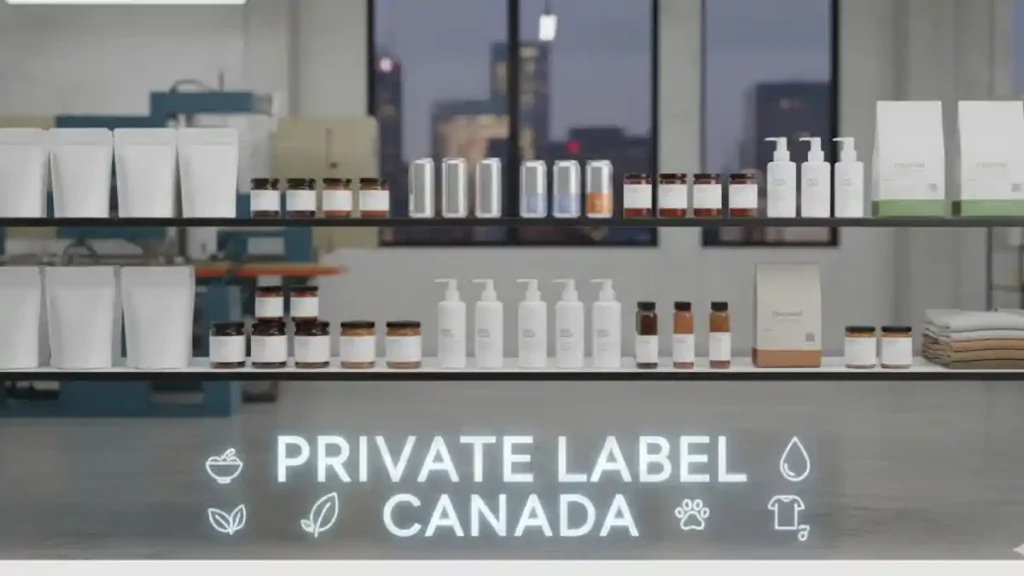

Private label in the Netherlands is not a short-term reaction to inflation or a tactical way to pressure brands. It is a long-established system that sits at the core of how Dutch grocery retail operates. For major retailers, own-label ranges shape price ladders, shelf structure, supplier selection, and category strategy. Brands operate within that framework rather than alongside it.
This is why the Netherlands is consistently described as one of Europe’s strongest private label markets and why it is often grouped with Belgium in industry discussion. The strength of private label here is not driven by one factor alone. It reflects market structure, consumer trust, disciplined retail execution, and high operational standards imposed on suppliers.
Understanding Dutch private label requires looking beyond headline share figures and examining how the system functions day-to-day inside supermarkets.
How Big Private Label Really Is In The Netherlands
Private label represents a very large share of grocery sales in the Netherlands, placing the country well above the European average. While published figures vary depending on methodology, there is broad agreement across industry analysis that own-label products account for a substantial portion of the Dutch grocery basket.
More important than the exact percentage is stability. Private label share in the Netherlands does not swing sharply with economic cycles. Even when branded promotions increase or consumer confidence improves, own-label products retain their shelf space and volume.
This reflects long-standing consumer trust. Dutch shoppers generally view retailer brands as reliable, safe, and good value. For many households, private label is the default choice in everyday shopping, not a compromise. That applies not only to basic groceries but also to higher-quality, organic, and sustainability-led ranges.
Because of this behaviour, private label in the Netherlands functions as a structural feature of the market rather than a temporary response to price pressure.
Why The Netherlands Supermarket Structure Matters
The strength of private label is closely linked to the Netherlands supermarket market structure. Grocery retail in the country is relatively concentrated, with a small number of national chains accounting for most sales volume. Buying decisions are centralised, category strategies are set at head-office level, and ranges are implemented consistently across store networks.
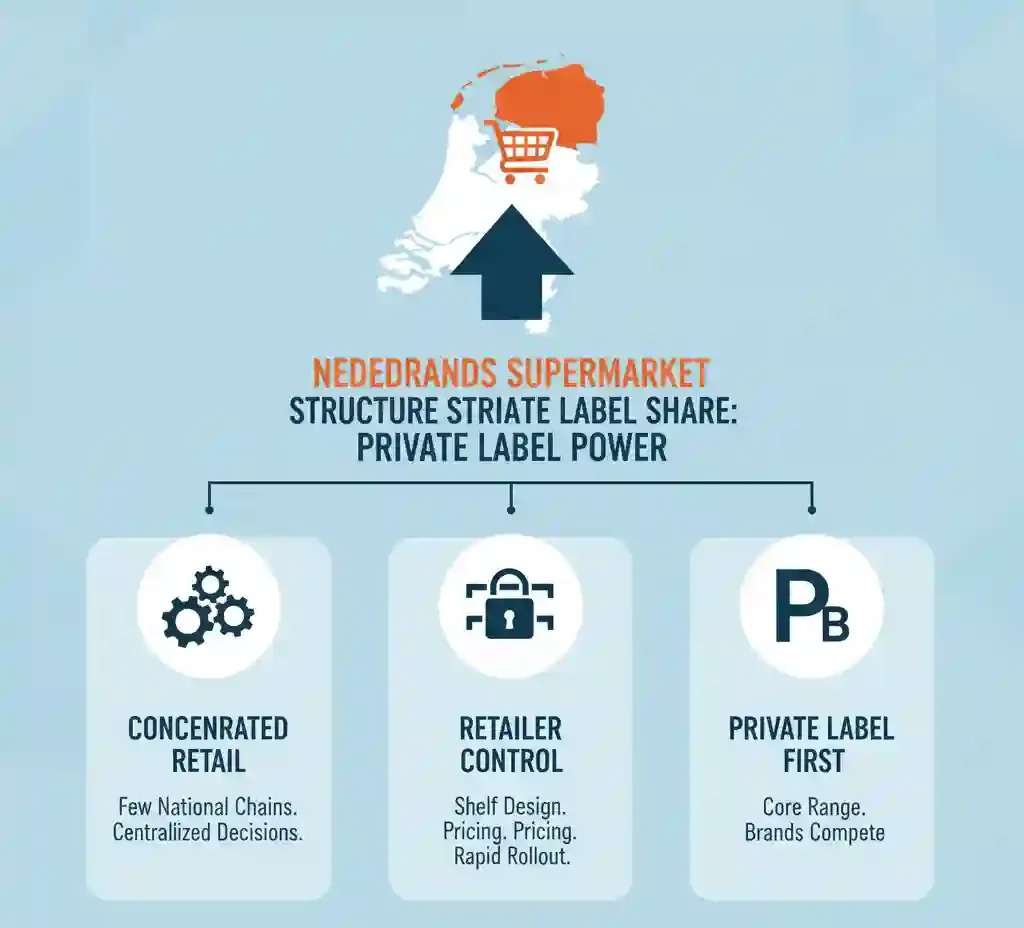
This structure gives retailers strong control over shelf design and pricing logic. Once a private label product is approved, it can be rolled out nationally without lengthy regional negotiation. Shelf layouts can be adjusted quickly, price ladders refined, and underperforming products removed with limited friction.
As a result, private label is not treated as a secondary or supporting range. It is designed first. Branded products are then positioned around it, competing for space within a framework defined by the retailer.
This structural advantage explains why private label holds its ground so effectively in the Netherlands compared with more fragmented retail markets.
Who Drives Private Label Strategy In The Dutch Market
Private label in the Netherlands is clearly retailer-driven. Chains such as Albert Heijn and Jumbo invest heavily in own-label development, treating these ranges as long-term brand assets rather than short-term margin tools.
Retailers manage private label through dedicated teams responsible for sourcing, product development, quality assurance, packaging, and ongoing performance review. Because they control point-of-sale data, they can track product performance in real time and adjust quickly when needed.
This ability to react fast gives retailers an edge over traditional brand owners. Recipes can be reformulated, packaging formats changed, and product lines refreshed without the delays that often affect branded supply chains.
For suppliers, this creates a demanding environment. Listings are maintained through consistent delivery, quality, and compliance, not reputation alone.
How Private Label Tiering Works In The Netherlands
A defining feature of Dutch private label is structured tiering. Retailers do not rely on a single own-label range. Instead, they build clear price and value ladders that guide shopper choice.
The value tier sits at the entry level. These products focus on affordability and reliability. Recipes are simple, packaging is functional, and SKU counts are tightly controlled. Margins are low, but volumes are steady and predictable. This tier anchors price perception and protects competitiveness against discounters.
The core tier forms the backbone of private label sales. Products here are designed to meet everyday needs, offering quality comparable to mainstream brands at stable prices. Visual identity is consistent, reinforcing trust. For many shoppers, this tier replaces brands entirely in routine purchases.
Above this sits the premium and sustainable tier, where growth is most visible. These ranges include organic products, plant-based options, regional sourcing concepts, and health-focused formulations. Dutch consumers are willing to trade up within private label when quality and transparency are clear. Retailers benefit from higher margins while retaining control over category direction.
This tiered approach allows retailers to cover the full shopper spectrum without depending on brands to define innovation or price structure.
Category Hotspots Where Private Label Performs Best
Private label strength in the Netherlands is not uniform across all categories. Certain areas consistently show higher penetration and faster development.
Fresh and chilled food is a major stronghold. Dairy, ready meals, refrigerated convenience, and meat alternatives perform well under private label, as shoppers prioritise freshness, availability, and price over brand names. Retailers can adapt ranges quickly to changing demand.
Ambient grocery categories also favour own-label products. Sauces, canned foods, pasta, cereals, and spreads benefit from long shelf life and predictable consumption patterns, making them well suited to private label innovation and reformulation.
Health-driven and plant-based segments have become important growth areas. Dutch retailers often introduce private label products early in these categories, responding quickly to consumer trends and reinforcing their role as category leaders.
Household and non-food essentials, such as cleaning products and paper goods, remain strong private label categories due to lower brand attachment and higher price sensitivity.
Supplier Strategy For Winning Private Label Listings
Supplying private label in the Netherlands requires more than competitive pricing. Retailers expect suppliers to fit into a disciplined, long-term system.
Buyers look for proven production capacity, stable quality assurance processes, consistent audit performance, and reliable logistics. Documentation, traceability, and food safety standards are treated as baseline requirements.
Packaging is a critical factor. Suppliers are expected to understand Netherlands packaging requirements from the outset, including recyclability expectations, material choices, labelling rules, and reporting obligations. Retailers prefer partners who reduce compliance risk rather than create additional oversight work.
Operational consistency matters more than promises. Missed deliveries, quality variation, or compliance failures quickly erode trust. Suppliers that succeed tend to grow gradually across categories and tiers, building long-term relationships rather than chasing short-term wins.
Why The Netherlands Is Often Grouped With Belgium
The Netherlands is frequently grouped with Belgium in European private label analysis because both markets share key characteristics. These include high consumer trust in retailer brands, strong penetration across income groups, clear tiering strategies, and disciplined retailer-supplier relationships.
In both countries, private label is not confined to value positioning. Premium and sustainability-led ranges play an important role, reinforcing the perception of own-label as a credible alternative to brands.
Together, these markets are often treated as reference points for private label development in Europe.
Why Private Label Works So Well In The Netherlands
The success of private label in the Netherlands is the result of concentrated retail power, structured tiering, and strict supplier expectations. Retailers control shelf space, guide shopper choice through clear price ladders, and demand high standards from partners. Consumers respond with trust and repeat purchasing.
These elements reinforce each other year after year, making private label a stable and dominant feature of the Dutch grocery market.
The Role Of PLMA Amsterdam In The Ecosystem
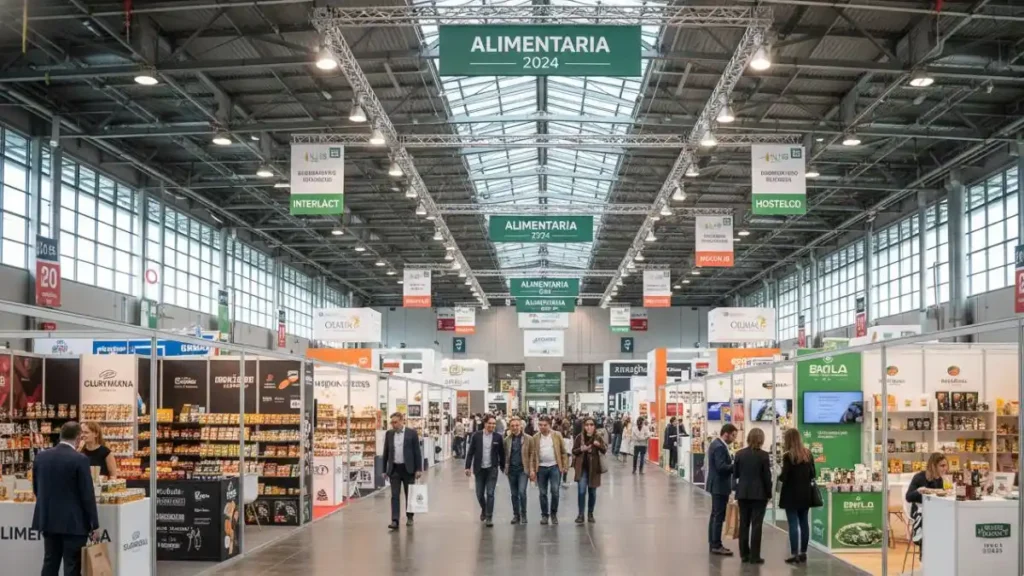
Private label development in the Netherlands is supported by a mature industry ecosystem. PLMA Amsterdam plays an important role as a meeting point for retailers, manufacturers, and packaging suppliers. For many suppliers, this event is where relationships with Dutch retailers are formed or expanded.
Its prominence reflects the professional, structured nature of the private label market in the Netherlands.
What Comes Next For Dutch Private Label
Private label in the Netherlands continues to move into higher-value territory. Premium food and beverage ranges, sustainable packaging formats, and health-led reformulation are all areas of ongoing focus. Retailers are unlikely to reduce their reliance on own-label products. Instead, requirements are expected to become more demanding.
For suppliers, the message is clear. The Dutch private label market rewards preparation, compliance, and operational discipline. It does not reward shortcuts. For the wider European grocery sector, the Netherlands remains a benchmark for how private label can be built to last.