
Packaging in Switzerland has entered a new legal phase.
What was once guided by sector agreements and fragmented rules is now moving into a single, structured framework built around circular economy principles and mandatory producer responsibility.
For companies supplying food and consumer goods to Switzerland, packaging is no longer just a technical or sustainability issue. It is now a regulatory, commercial, and listing requirement — especially in Switzerland FMCG and private label supply chains.
This guide explains the current legal status as of late 2025, the confirmed regulatory direction, and what packaging suppliers and exporters need to prepare for.
Switzerland’s Packaging law: The Real Starting Point Is 2025
As of 1 January 2025, Switzerland formally amended its Environmental Protection Act to include a new chapter on the circular economy.
This amendment changes the foundation of packaging policy.
Packaging waste prevention, recyclability, and producer responsibility are no longer policy goals — they are now embedded in primary law.
The amendment gives the Federal Council explicit authority to regulate packaging across its entire life cycle, including design, material choice, collection, and recycling.
This shift sets the legal basis for everything that follows.
The New Ordinance On Packaging: Not A Concept, A Notified law
In July 2025, Switzerland notified the World Trade Organization of a new, standalone Ordinance on Packaging.
This ordinance is intended to replace the older, beverage-focused framework and bring all packaging types under a single regulatory system.
Key characteristics of the new ordinance:
-
Applies to all packaging, not just drinks
-
Introduces mandatory Extended Producer Responsibility (EPR)
-
Covers primary, secondary, and transport packaging
-
Applies equally to domestic producers and importers
This is no longer a voluntary or guidance-based approach.
The system is designed around enforceable obligations.
For packaging Switzerland retail suppliers, the existence of this ordinance means buyers are already planning procurement based on its structure, even before full enforcement.
Confirmed Implementation Timeline Businesses Must Plan Around
The notified ordinance includes specific proposed dates, not broad estimates.
The key milestones are:
-
1 January 2027
Expected entry into force of the main Ordinance on Packaging -
1 January 2028
Deadline for take-back obligations covering non-refillable plastic packaging and beverage cartons -
1 January 2029
Mandatory registration, reporting, and full producer responsibility obligations begin
Retailers are not waiting until 2029.
Most are applying these expectations to tenders and packaging redesigns already taking place in 2025–2026.
Extended Producer Responsibility: What It Really Means In Switzerland
Under the new model, EPR is no longer limited to a narrow set of materials.
Producers and importers will be responsible for:
-
Financing collection and recycling systems
-
Registering packaging volumes and materials
-
Reporting data to designated authorities
-
Ensuring packaging meets recyclability criteria
For exporters, this matters because the importer of record carries legal responsibility, but Swiss retailers increasingly push compliance upstream.
Suppliers are expected to provide:
-
Material breakdowns
-
Recyclability assessments
-
Design justifications
This is especially visible in Switzerland FMCG categories where packaging volumes are high and margins are tightly controlled.
Design-For-Recycling Becomes A legal Expectation
The ordinance signals a clear move away from theoretical recyclability.
Packaging will increasingly be assessed based on whether it:
-
Can be collected in Switzerland
-
Can be sorted by existing systems
-
Can be recycled into secondary material
Problematic materials, unnecessary composites, and difficult-to-sort formats face growing pressure.
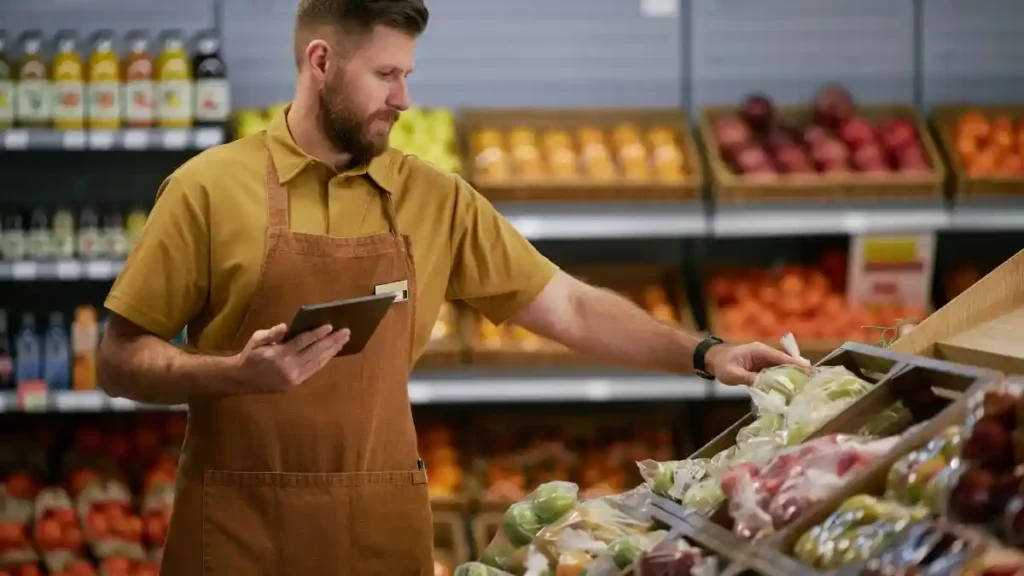
This is particularly relevant in fresh produce packaging, where lightweight plastics, films, and trays must balance protection, shelf life, and recyclability.
Retailers are now rejecting formats that technically comply but perform poorly in practice.
PVC And “problematic materials”: A Quiet But Important Change
Older Swiss rules included specific provisions for PVC beverage packaging.
Under the new ordinance, these specific rules are repealed.
This does not mean PVC is accepted again.
Instead, PVC is now addressed under broader criteria covering problematic materials. Any material that:
-
Disrupts recycling streams
-
Contains harmful additives
-
Reduces recyclate quality
can be restricted regardless of whether it was previously named explicitly.
This approach gives regulators flexibility and signals a shift away from material-by-material exemptions.
Food contact materials: the biggest changes already happened
While much attention is on future packaging rules, food contact material regulation already changed in 2025.
On 1 January 2025, Switzerland enacted a major update to the Ordinance on Materials and Articles.
The most important changes affect plastics and additives.
Key updates include:
-
Lowered specific migration limits (SMLs)
-
Tighter controls on inks, varnishes, and adhesives
-
Alignment with EU food safety thresholds
Specific examples relevant to retail suppliers:
-
DBP migration limit reduced significantly
-
DEHP migration limit reduced
-
Clear roadmap toward restrictions on PFAS in food packaging, with a ban scheduled for August 2026
These are not future plans.
They are already shaping compliance audits and supplier approvals.
What This Means For Packaging Used In Retail
Food packaging placed on the Swiss market must now meet both environmental and safety standards simultaneously.
A package that is recyclable but fails migration limits will be rejected.
A package that is food-safe but disrupts recycling systems is increasingly unacceptable.
This is pushing packaging design toward:
-
Simpler material structures
-
Reduced ink coverage
-
Clear separation of functional layers
Suppliers serving both Switzerland and the EU will find convergence helpful, but it also removes any remaining “Swiss flexibility”.
Environmental Claims: High Risk, low Tolerance
Swiss authorities are increasingly strict on environmental marketing.
Retailers now expect suppliers to prove, not describe, sustainability claims.
Risk areas include:
-
“Recyclable” without system evidence
-
“Eco-friendly” without measurable data
-
Carbon-neutral claims based only on offsets
This matters most in private label packaging, where retailers carry reputational risk and impose stricter rules than national law.
Packaging suppliers are expected to support claims with documentation, not marketing language.
Swiss Retailers’ Expectations Are Already Ahead Of The law
Swiss retailers are among Europe’s most demanding.
Their packaging requirements go beyond compliance and focus on operational fit.
They expect packaging that:
-
Works with store automation
-
Supports efficient shelf replenishment
-
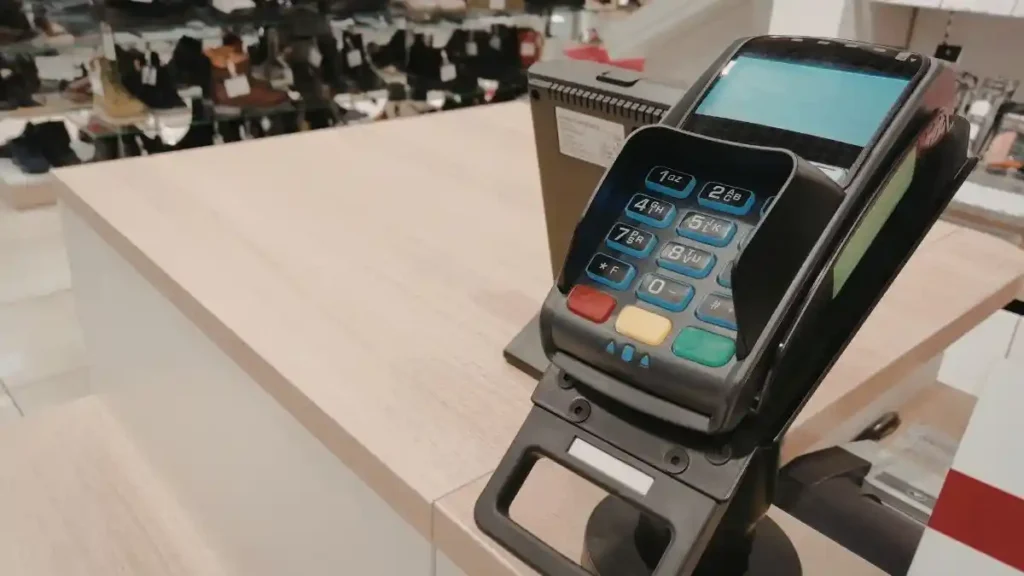
Is compatible with checkout and retail technology
-
Reduces in-store waste handling
Packaging decisions are now connected to broader retail technology strategies, including scanning accuracy, waste separation, and logistics efficiency.
If packaging causes friction in stores, it is likely to be delisted.
Private label Packaging As The Testing Ground
Private label plays a central role in Switzerland.
Retailers use own-brand ranges to trial:
-
New materials
-
Simplified designs
-
Reduced environmental impact
Suppliers involved in private label packaging often see future standards earlier than others.
In many cases, today’s private label requirement becomes tomorrow’s national brand expectation.
For packaging companies, private label work in Switzerland is often strategic, not secondary.
Fresh Produce Packaging: Where Pressure Is Highest
Fresh produce remains one of the most sensitive categories.
Packaging must justify its existence.
Retailers increasingly prefer:
-
Reusable crates in logistics
-
Lightweight, mono-material films
-
Clear explanations when plastic is necessary
Exporters supplying fresh produce must align packaging decisions with retailer sustainability frameworks, not just legal minimums.
Poor packaging choices can block listings even if product quality is strong.
Practical Checklist For Exporters Supplying Switzerland
Legal readiness
-
Understand the new Ordinance on Packaging structure
-
Identify importer responsibilities clearly
-
Prepare for registration and reporting
Packaging design
-
Prioritise recyclable materials used in Switzerland
-
Avoid unnecessary composites
-
Reduce material weight
Food safety
-
Confirm compliance with updated migration limits
-
Review inks, adhesives, and additives
-
Prepare for PFAS restrictions
Retail alignment
-
Match retailer packaging guidelines
-
Support private label innovation where relevant
-
Ensure packaging works with store operations
This applies across Switzerland FMCG sectors, from ambient foods to fresh and chilled products.
Strategic Reality For Packaging Suppliers
Switzerland is a small market, but a demanding one.
The country is positioning itself as an early adopter of EU-aligned packaging rules, with strong enforcement and retailer-driven implementation.
Suppliers who succeed in Switzerland often succeed elsewhere.
Those who fail usually underestimate preparation, not cost.
Packaging Switzerland retail is now about long-term strategy, not short-term compliance.
What Happens Next
Between 2026 and 2027, businesses should expect:
-
Final adoption of the Ordinance on Packaging
-
Publication of implementation guidance
-
Retailer enforcement ahead of legal deadlines
Waiting is risky.
Swiss retailers are already acting as if the future rules are present-day requirements.
Editor’s note: This article reflects the Swiss legal and retail landscape as of late 2025. It is intended as a practical industry guide for packaging, retail, and food suppliers operating in or exporting to Switzerland.