
Germany’s grocery sector in FY2024–FY2025 has prioritised checkout automation and AI-driven forecasting, reshaping the role of Retail Technology Companies in Germany. This ranking identifies the ten companies most structurally embedded in German supermarket operations, based on publicly reported fiscal data and operational relevance. The companies included are SAP SE, Diebold Nixdorf, GK Software, REMIRA, Snabble, Wanzl, VisionVal, Backdigital, EverStore (Nuremberg-based retail platform) and Redimi. Together, they represent the enterprise backbone, store-layer systems, checkout infrastructure and precision forecasting tools shaping German supermarket technology in 2026.
Fiscal Scope
This ranking uses a hybrid methodology combining publicly reported revenue with structural relevance within German supermarket operations. FY2024 audited results are prioritised, with FY2025 figures included where officially published. For private companies that do not disclose audited revenue, figures are listed as “Not disclosed” to maintain transparency. No estimates, projections or invented financial data have been used in this analysis.
Ranking Table
| Rank | Company | HQ | FY Revenue (Published) | Structural Role | Supermarket Relevance |
|---|---|---|---|---|---|
| 1 | SAP SE | Walldorf (DE) | €36.80bn (FY2025) | Enterprise backbone | ERP, supply chain, finance |
| 2 | Diebold Nixdorf | Major DE retail footprint | $3.81bn (FY2025) | SCO + POS automation | Checkout infrastructure |
| 3 | GK Software | Schöneck (DE) | €194.4m (FY2024) | Store layer / OmniPOS | Transaction engine |
| 4 | REMIRA | Germany | €50m+ (company stated) | AI replenishment | Supply optimisation |
| 5 | Snabble | Bonn (DE) | Not disclosed | Scan & Go | Mobile checkout |
| 6 | Wanzl | Leipheim (DE) | Not disclosed | Smart carts | Bridge automation |
| 7 | VisionVal | Munich (DE) | Not disclosed | Shrink analytics | SCO control |
| 8 | Backdigital | Berlin (DE) | Not disclosed | AI bakery forecasting | Fresh waste reduction |
| 9 | EverStore (DE) | Nuremberg (DE) | Not disclosed | Cloud POS | Mid-market store systems |
| 10 | Redimi | Berlin (DE) | Not disclosed | Digital voucher infrastructure | Loyalty control |
1) SAP SE
Founded: 1972
Headquarters: Walldorf, Germany
FY Revenue: €36.80 billion (FY2025)
Core Segments
-
Enterprise ERP for retail
-
Supply chain planning
-
Data governance and analytics
-
Cloud commerce infrastructure
Operational Relevance: SAP forms the backbone of most large German retail groups. Procurement, supplier management, financial control and increasingly cloud-based planning functions are anchored in SAP environments.
Market Position: Switching costs and integration depth make SAP foundational rather than optional in large supermarket IT stacks.
Strategic Direction: FY2025 results confirmed continued cloud revenue expansion, reinforcing SAP’s long-term structural position in retail infrastructure.
2) Diebold Nixdorf
Founded: 1859 (group heritage)
Headquarters: US-based with significant German operations
FY Revenue: $3.81 billion (FY2025)
Core Segments
-
Self-checkout systems
-
POS hardware
-
Retail automation
-
Managed services
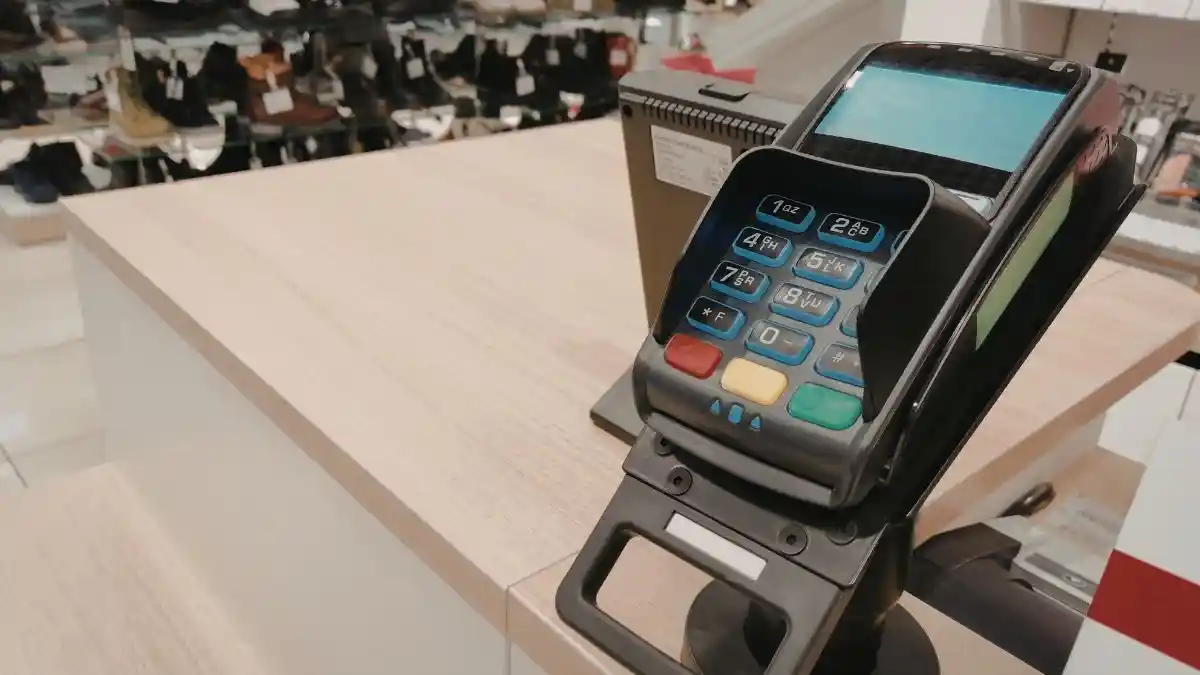
Operational Relevance: German supermarkets rely on SCO expansion to offset labour constraints. Hardware stability and service reach determine operational performance at store level.
Market Position: Large installed base across German grocery chains ensures infrastructure continuity during automation rollouts.
Strategic Direction: Shift toward managed services and software-supported automation strengthens recurring revenue and long-term integration.
3) GK Software
Founded: 1990
Headquarters: Schöneck, Germany
FY Revenue: €194.4 million (FY2024)
Employees: 1,322 (FY2024)
Core Segments
-
OmniPOS systems
-
Unified commerce
-
Mobile POS
-
Transaction orchestration
Operational Relevance: GK acts as the store-level transaction engine connecting ERP backbones to checkout execution and omnichannel integration.
Market Position: Following its integration into Fujitsu’s structure, GK remains a core store-layer provider within German retail.
Strategic Direction: Focus on unified commerce and scalable store execution across formats.
4) REMIRA
Headquarters: Germany
FY Revenue: €50m+ (company stated turnover)
Core Segments
-
AI-driven replenishment
-
Supply chain optimisation
-
Omnichannel planning
-
Demand forecasting
Operational Relevance: Strong in the German Mittelstand segment, REMIRA helps retailers reduce stock-outs and manual overrides in volatile categories.
Market Position: Positioned as a practical AI planning provider rather than an enterprise transformation vendor.
Strategic Direction: Continued emphasis on forecasting accuracy and workflow simplification.
5) Snabble
Founded: 2018
Headquarters: Bonn, Germany
FY Revenue: Not disclosed
Core Segments
-
Scan & Go SDK
-
App-based checkout
-
Offline scanning
-
Payment integration
Operational Relevance: Scan & Go reduces queue times and redistributes labour during peak hours without requiring structural store rebuilds.
Market Position: Established specialist in mobile self-checkout across German retail.
Strategic Direction: Focus on friction-reduced in-store journeys integrated into retailer apps.
6) Wanzl
Founded: 1947
Headquarters: Leipheim, Germany
FY Revenue: Not disclosed
Core Segments
-
Shopping trolley systems
-
Smart carts
-
Access control
-
Modular store hardware
Operational Relevance: Smart carts offer incremental automation without the capital intensity of full frictionless camera systems.
Market Position: Global hardware leader extending into digitised in-store tools.
Strategic Direction: Bridge technology linking traditional store formats with gradual automation.
7) VisionVal
Technology Development: Began 2021–2022
Headquarters: Munich, Germany
FY Revenue: Not disclosed
Core Segments
-
V-Theft shrink detection
-
V-Flow analytics
-
SCO monitoring
-
Behavioural analytics
Operational Relevance: German grocers have prioritised shrink control as SCO penetration increases. VisionVal directly addresses this risk layer.
Market Position: Specialist provider in store risk analytics.
Strategic Direction: Focused on measurable shrink reduction rather than autonomous store build-outs.
8) Backdigital
Headquarters: Berlin, Germany
FY Revenue: Not disclosed
Core Segments
-
AI bakery forecasting
-
Waste reduction tools
-
Production optimisation
-
Fresh planning systems
Operational Relevance: Bakery waste remains a measurable margin drain. Forecast precision translates into direct operational savings.
Market Position: Specialist AI provider for bakery-heavy retail environments.
Strategic Direction: Scaling forecasting tools within fresh and in-store bakery operations.
9) EverStore (Nuremberg-based Retail Platform)
Headquarters: Nuremberg, Germany
FY Revenue: Not disclosed
Core Segments
-
Cloud POS
-
Staff store apps
-
Inventory integration
-
Omnichannel coordination
Operational Relevance: Targets regional and mid-sized supermarket chains modernising store systems.
Market Position: Mid-market cloud retail platform provider.
(Not to be confused with similarly named autonomous store companies outside Germany.)
Strategic Direction: Emphasis on cloud-based simplification of store operations.
10) Redimi
Founded: 2022
Headquarters: Berlin, Germany
FY Revenue: Not disclosed
Core Segments
-
Digital gift cards
-
Coupon validation
-
Blockchain-secured vouchers
-
Loyalty infrastructure
Operational Relevance: German retailers are transitioning from paper coupons to secure digital vouchers following elevated fraud incidents in 2023–2024.
Market Position: Emerging infrastructure layer within DACH digital loyalty systems.
Strategic Direction: Expansion of embedded loyalty and secure voucher ecosystems.
Structural Analysis
Checkout as Margin Infrastructure
Automation in German supermarkets is now a margin management strategy. Labour pressure drives SCO expansion, but shrink risk demands simultaneous investment in monitoring and analytics. Infrastructure, not novelty, determines success.
Forecasting as Daily Execution Tool
AI adoption is strongest where it reduces operational friction. Bakery and fresh categories remain priority areas due to high spoilage and rapid demand shifts.
Operational Trust as Scaling Factor
Technology scales when store teams trust it. ERP reliability, POS stability, shrink analytics and forecasting accuracy determine long-term deployment decisions.
Conclusion
The Top 10 Retail Technology Companies Powering German Supermarkets (FY2024–2025) illustrate a mature retail technology landscape built around infrastructure stability, checkout control and precision forecasting.
Across the German supermarket sector, investment is now closely tied to measurable operational outcomes — from Germany retail automation at checkout to AI-driven demand planning in fresh categories. As supermarket technology in Germany continues to evolve, retailers are prioritising systems that reduce shrink, stabilise POS performance and improve replenishment accuracy without disrupting daily store workflows.
German supermarket investment patterns show a clear preference for scalable retail technology platforms that integrate cleanly into existing operations while protecting margin in an increasingly automated store environment.
Editor’s Note: This ranking is based on publicly available FY2024 and FY2025 company disclosures where published. Private company revenues are listed as “Not disclosed.” Currency values are presented as reported by each company. No revenue estimates or fabricated figures have been used.