
Poland’s supermarket sector has undergone rapid digital transformation over the past decade. Fiscal compliance reform, large-format grocery expansion, discount growth, and rising warehouse automation have reshaped the country’s retail technology ecosystem. Polish-headquartered technology providers now play a structural role in powering POS systems, ERP platforms, logistics software, and store infrastructure used across domestic supermarket networks.
Retail Technology Companies in Poland are led by a concentrated group of domestic IT and systems providers supplying ERP, POS, fiscal hardware, warehouse software and retail analytics directly to supermarket chains. In 2026, market leadership reflects scale, fiscal integration capability, and operational exposure to grocery distribution rather than pure IT turnover.
Top 10 Retail Technology Companies in Poland (2026)
| Rank | Company | Founded | FY2024 Revenue* | Core Retail Focus | Employees (approx.) |
|---|---|---|---|---|---|
| 1 | Asseco Poland | 1991 | €3bn+ (Group) | ERP, retail systems, integration | 30,000+ (Group) |
| 2 | Comarch | 1993 | €450m+ | Retail ERP, loyalty, omnichannel | 6,500+ |
| 3 | Comp S.A. | 1987 | €500m+ (Group est.) | POS, fiscal systems, retail infrastructure | 1,000+ |
| 4 | ELZAB | 1969 | €40m+ | Cash registers, fiscal devices | 300+ |
| 5 | LSI Software | 1991 | €20m+ | Retail management systems | 250+ |
| 6 | Sente S.A. | 2000 | Private | Retail ERP implementations | 200+ |
| 7 | Sygnity | 1991 | €200m+ | Public & retail IT systems | 1,500+ |
| 8 | Infinite IT Solutions | 2003 | Private | Retail integration & IT services | 300+ |
| 9 | Asiston | 2007 | Private | Retail POS software | 150+ |
| 10 | InsERT | 1992 | Private | SME retail software systems | 300+ |
*Revenue based on latest publicly available FY2024–FY2025 reports where disclosed. Some private companies do not publish full financials.
How This Ranking Was Built
This ranking evaluates Polish-headquartered companies that provide technology directly used by supermarket operators. Assessment is based on:
-
Corporate revenue scale (FY2024–FY2025 where available)
-
Verified supermarket and grocery exposure
-
POS and fiscal system footprint
-
ERP and warehouse system penetration
-
Structural relevance to Poland’s grocery supply chain
-
Operational scale and workforce
Companies focused purely on general enterprise IT without clear supermarket exposure were excluded.
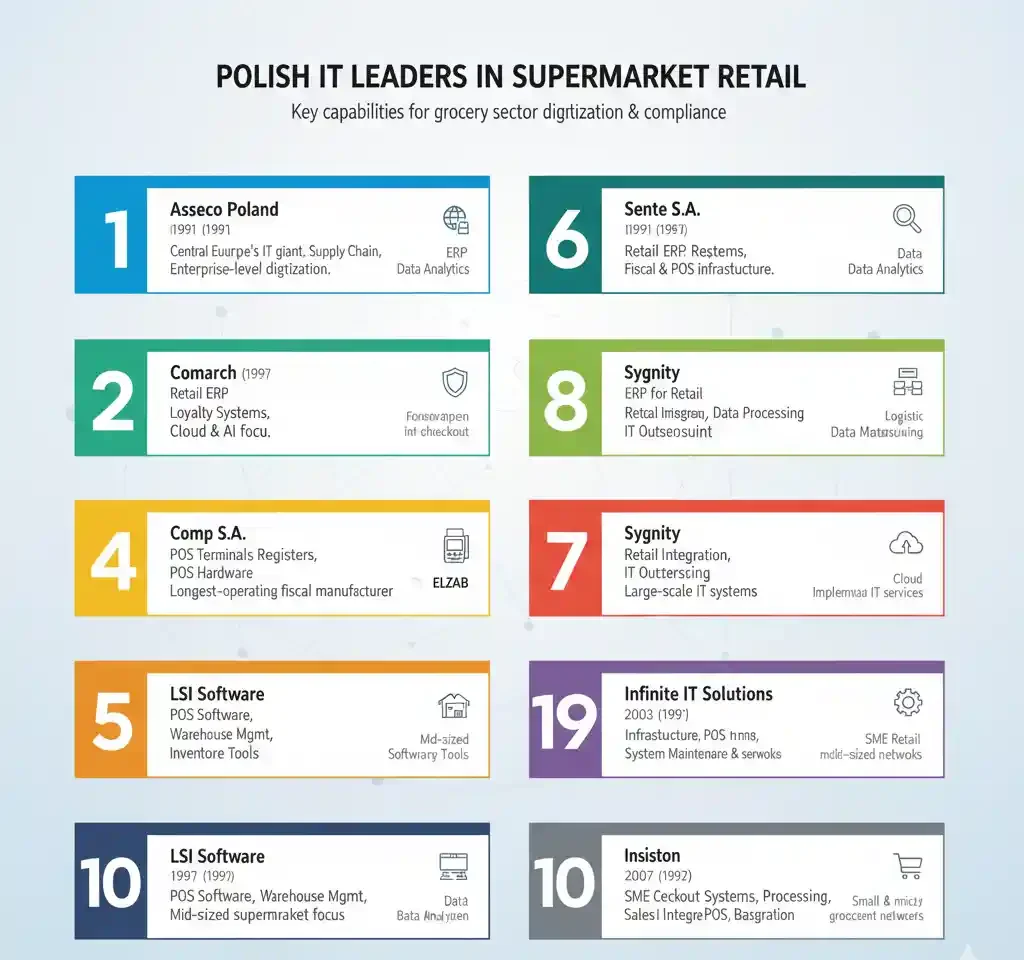
1. Asseco Poland
Founded in 1991 in Rzeszów, Asseco Poland has grown into one of Central Europe’s largest IT groups.
Core supermarket-relevant capabilities include:
-
Retail ERP systems
-
Supply chain software
-
Financial and fiscal integration systems
-
Data analytics platforms
While the group operates across banking, public administration, and telecom, its retail technology integration arm supports supermarket chains with ERP deployments and fiscal compliance systems.
Operational relevance is tied to enterprise-level supermarket digitisation. As large grocery groups consolidate IT platforms, Asseco’s scale and integration capacity place it structurally at the top of Poland’s retail technology hierarchy.
Strategically, the company continues expanding through acquisition-led growth across Central Europe.
2. Comarch
Founded in Kraków in 1993, Comarch has established itself as a major European enterprise software provider.
Retail-focused solutions include:
-
Comarch Retail ERP
-
Loyalty management systems
-
Omnichannel commerce platforms
-
BI and analytics tools
The company has significant exposure to FMCG and supermarket chains domestically and internationally.
In Poland’s grocery sector, Comarch’s loyalty and CRM systems are particularly influential. As discount and hypermarket competition intensifies, customer data infrastructure has become critical.
Comarch’s strategic direction emphasises cloud migration and AI-driven retail analytics.
3. Comp S.A.
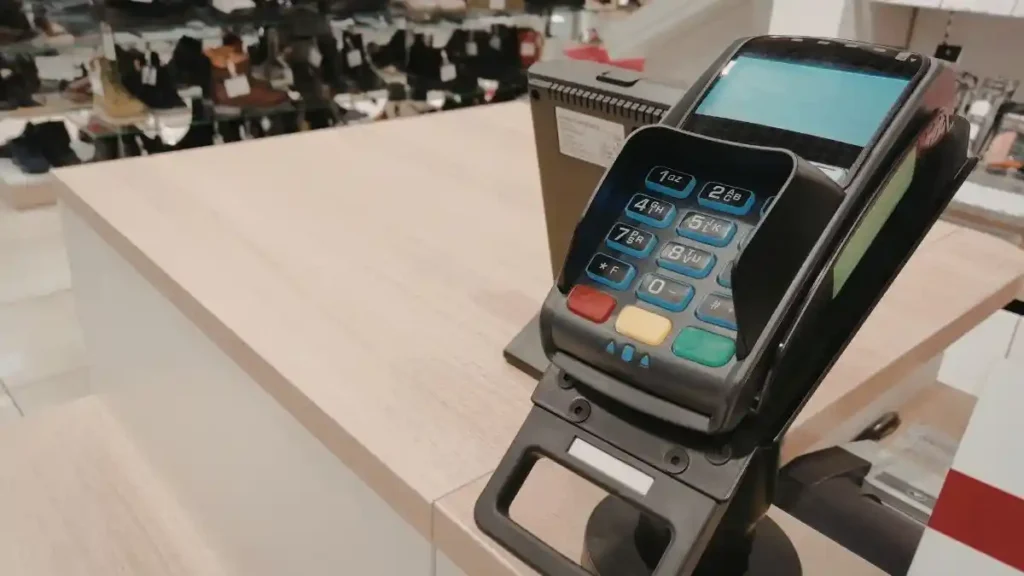
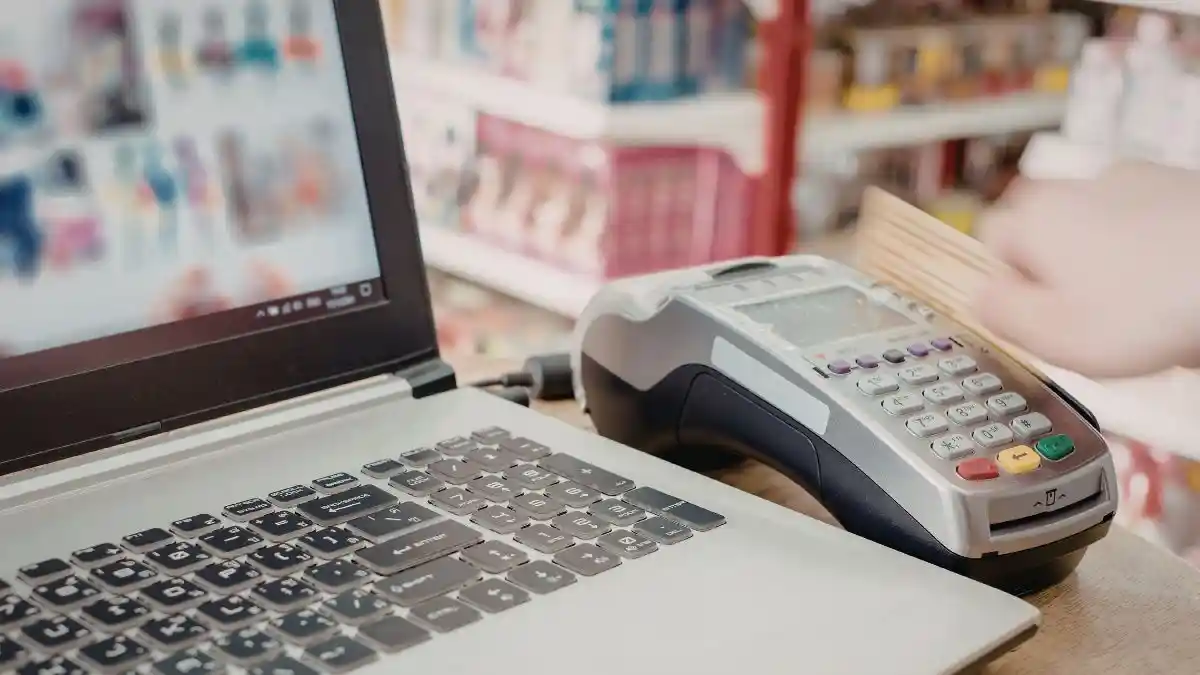
Established in 1987, Comp S.A. plays a direct role in Poland’s fiscal and POS infrastructure.
Core offerings:
-
POS terminals
-
Fiscal cash registers
-
Self-checkout systems
-
Retail IT infrastructure
Comp’s subsidiary structure supports fiscal compliance — a key structural pillar in Poland’s supermarket system.
Its relevance is strongest in physical grocery retail environments, particularly mid-sized supermarket chains and franchise formats.
As Poland’s fiscal regulations evolve, Comp remains embedded in checkout infrastructure across the country.
4. ELZAB
Founded in 1969, ELZAB is one of Poland’s longest-operating fiscal device manufacturers.
Product focus:
-
Fiscal cash registers
-
POS hardware
-
Retail software integration tools
Although smaller in revenue scale compared with Asseco or Comarch, ELZAB’s devices remain widespread among supermarkets and food retailers.
The company’s structural importance is tied to fiscal digitisation requirements and mandatory reporting systems.
5. LSI Software
LSI Software, founded in 1991, provides retail management software systems with exposure to grocery and food retail.
Core capabilities:
-
POS software
-
Warehouse management modules
-
ERP retail integration
-
Inventory optimisation tools
The company’s footprint is strongest in domestic mid-sized supermarket operators.
As warehouse efficiency becomes central to grocery margin stability, LSI’s WMS modules continue to support supply chain automation.
6. Sente S.A.
Founded in 2000, Sente specialises in ERP systems tailored to retail and distribution sectors.
Key supermarket-related functions include:
-
ERP for retail chains
-
Logistics integration
-
Financial management systems
Although privately held, Sente has built a strong client base among Polish retail and distribution businesses.
Its operational relevance lies in backend process digitalisation rather than visible front-of-store technology.
7. Sygnity
Sygnity, established in 1991, delivers large-scale IT systems primarily for public and enterprise clients.
Retail exposure includes:
-
Retail integration projects
-
Data processing systems
-
IT outsourcing
While not purely supermarket-focused, Sygnity’s scale and infrastructure services contribute to Poland’s broader retail IT landscape.
8. Infinite IT Solutions
Founded in 2003, Infinite IT Solutions provides systems integration and managed services.
Supermarket involvement includes:
-
Retail infrastructure deployment
-
POS integration
-
IT system maintenance
Its relevance lies in implementation capability rather than proprietary product development.
9. Asiston
Asiston delivers POS software solutions for retail chains.
Founded in 2007, it focuses on:
-
Checkout systems
-
Retail transaction processing
-
Integration with fiscal devices
The company primarily serves small and mid-sized supermarket networks.
10. InsERT
Founded in 1992, InsERT provides accounting and retail software solutions.
Core supermarket relevance includes:
-
SME retail software
-
Sales management systems
-
Basic POS integration
While more prominent in SME segments, InsERT remains relevant for independent grocery retailers.
Market Structure Impact
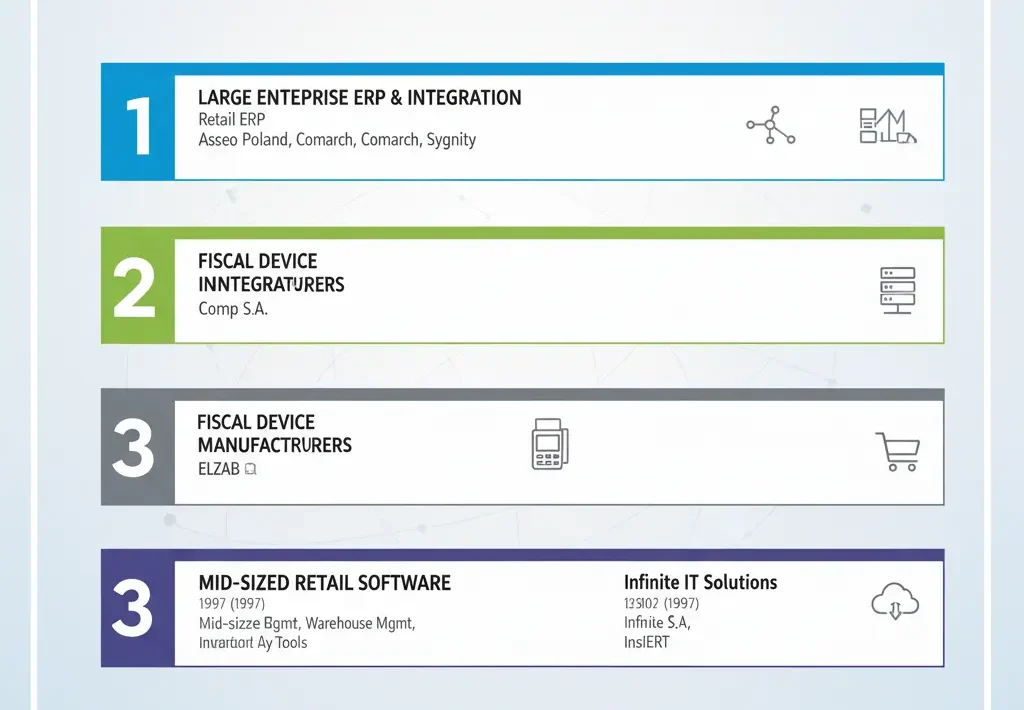
Poland’s retail technology structure is defined by three layers:
-
Large enterprise ERP and integration providers
-
Fiscal device manufacturers
-
Mid-sized retail software specialists
Unlike Western European markets where multinational vendors dominate, Poland maintains a strong domestic retail technology base.
This domestic concentration enhances fiscal compliance adaptation and regulatory alignment.
Category Dominance Trends
Three categories dominate Poland’s supermarket technology spending:
-
Fiscal POS infrastructure
-
ERP modernisation
-
Warehouse and logistics digitisation
Self-checkout and automation investment remains present but more moderate compared with Western Europe.
Cloud migration continues gradually, though legacy infrastructure still plays a significant role in mid-sized chains.
Industry Direction 2026
Supermarket digitisation in Poland is expected to focus on:
-
ERP consolidation
-
Real-time reporting compliance
-
Supply chain visibility
-
AI-based inventory forecasting
However, investment cycles remain sensitive to retail margin pressure.
Domestic providers with fiscal and regulatory integration expertise maintain competitive advantage over global-only platforms in mid-tier grocery segments.
Conclusion
Retail Technology Companies in Poland remain structurally embedded in the country’s supermarket ecosystem. Enterprise ERP leaders coexist with fiscal device specialists and retail software firms that power checkout, compliance and warehouse systems across the wider Poland supermarket sector.
As consolidation continues and regulatory requirements evolve, integration between retail systems, logistics platforms and inventory reporting will become more critical — particularly as sustainability reporting and traceability increasingly intersect with Poland packaging and supply chain compliance standards.
Operational depth and integration capability will determine long-term leadership within Poland’s grocery technology landscape.
Editor’s Note: This analysis is based on publicly available company financial reports, annual disclosures and corporate filings for FY2024–FY2025 where available. Revenue figures reflect latest published data. Private company revenue is included only where publicly disclosed.