
Skånemejerier will add the Mjölk från Sverige origin mark to every cheese it produces and sells in Sweden under the Skånemejerier and Allerum brands, beginning with a phased packaging change during autumn 2026.
The decision covers cheese made at the company’s Kristianstad dairy, one of Sweden’s largest cheese plants, where annual production is approximately 10,000 tonnes.
The mark confirms that the milk comes from Swedish farms and that the cheese is made, matured and packed in Sweden. It will appear on established lines including Herrgård, Präst and Grevé, as well as Allerum cheeses produced at Kristianstad.
For supermarket buyers, the change gives the brands a clearer origin signal at a time when domestic sourcing, food resilience and transparent supply chains are becoming more important in Swedish grocery.
Skånemejerier said the rollout will take place as new packs reach stores, rather than through a single national changeover date. Retail teams will therefore need to manage a period in which old and newly labelled packaging may sit alongside each other.
That creates practical work around product images, ecommerce listings, planograms and promotional material. The underlying products are not being presented as new recipes, but the pack change gives retailers a fresh opportunity to explain provenance at the shelf edge and online.
Johan Stenmarck, marketing director at Skånemejerier, said “many consumers want to choose Swedish products when they shop”. The company expects the origin mark to make those products easier to identify.
The commercial backdrop is significant. Sweden’s national origin-labelling organisation says only four in ten cheeses eaten in the country are produced domestically. Imported cheese has therefore taken a larger share of a category that requires substantial local milk volumes.
Approximately 10 litres of milk are needed to produce one kilogram of hard cheese. A stronger origin cue on a high-volume range can consequently connect consumer choice more visibly with demand for Swedish farm milk.
Skånemejerier works with around 280 dairy farmers in southern Sweden, operates five production sites and employs about 900 people. The Lactalis-owned business reported turnover of approximately SEK6 billion in 2025.
Those scale indicators matter for category managers. The change is not confined to a seasonal line or limited launch: it affects a substantial branded cheese portfolio moving through Sweden’s concentrated grocery market.
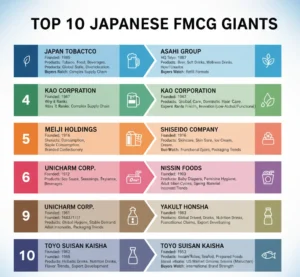
GTN’s overview of Swedish FMCG companies shows how dairy brands compete inside a market where a small number of retail groups control most national distribution. Our guide to supermarket chains in Sweden explains the buying structure behind that concentration.
For buyers comparing domestic and imported cheese, the mark does not replace commercial checks on price, availability, ageing profile, pack performance or promotional support. It does, however, make one part of the specification easier to communicate: the product’s milk and manufacturing origin.
The move also raises the visibility of provenance claims made by competing dairy suppliers. Retailers may increasingly expect consistent evidence across branded and private-label cheese, particularly where packaging uses national imagery or locally focused language.
Skånemejerier’s change will be most valuable if the pack mark is supported by reliable availability and clear digital product data. A recognised origin label can help shoppers navigate the fixture, but its commercial impact will still depend on distribution, price gaps and whether retailers give domestic cheese enough visibility.
The next test will be how quickly the new packs reach national shelves and whether the stronger origin cue changes the balance between Swedish-made and imported cheese during 2027 range reviews.
Editor’s note: This article is based on Skånemejerier’s Swedish-language press release dated 28 September 2026. Grocery Trade News translated the announcement and added independent retail and supply-chain analysis.