
Tetra Pak has urged European policymakers to assess major decisions against food availability, prices and supply-chain resilience, renewing its support for a Food Security Test.
In a statement published on 19 November, the processing and packaging supplier called for cooperation to accelerate investment.
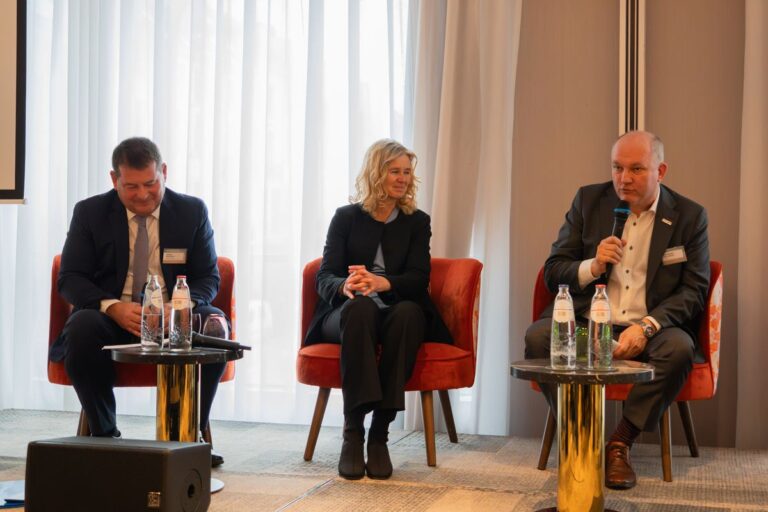
The statement follows the Rasmussen Global Food Security Conference in Brussels on 12 November. Marie Sandin, managing director of Tetra Pak Sweden, represented the company in a panel on protecting the full food value chain.
The proposed test would assess how major policies affect food access, affordability and resilience. It is an industry proposal; Tetra Pak did not announce its adoption as an EU requirement.
Food security depends on more than farm output, Sandin argued. Processing, protection and distribution also determine whether food reaches consumers.
“The entire food chain must work,” she said, in remarks translated from Swedish.
Tetra Pak called for closer links between industry, researchers and public authorities to deploy technologies that protect quality and reduce losses.
For supermarket buyers and suppliers, the commercial issue is continuity between production and the shelf. Extra agricultural output offers limited protection if processing capacity, packaging availability or distribution becomes a bottleneck.
The company sits within Sweden’s packaging industry and supplies both processing equipment and filling and packaging systems. Its argument brings that middle part of the chain into a debate often focused on agricultural inputs and domestic production.
It also builds on a UK report released on 26 October. That research found 61% of food and beverage businesses surveyed considered Britain’s food system poorly prepared for the next decade. Some 69% said advances in manufacturing and processing would be as important to future food security as advances in agriculture.
Those are earlier UK findings, rather than new European survey results. The report proposed testing policy changes for unintended effects elsewhere in the chain, including higher costs, waste, resource use or vulnerability to disruption.
For dairy packaging suppliers and their customers, this connects resilience with the choice of processing and pack formats. Shelf life, product protection, distribution conditions and material recovery all influence how a product moves through the supply chain.
The next step is whether policymakers turn the industry’s call into a defined assessment process and investment measures. Today’s statement sets out Tetra Pak’s position but provides no implementation timetable for a European Food Security Test.