
The Italian supermarket industry is one of Europe’s most dynamic.
Over the past decade, Italian retail has changed fast — from family-run grocery shops to strong cooperative networks and regional chains that now dominate national food retail.
The top ten supermarket groups account for nearly 90% of Italy’s grocery market. Competition is intense, with local cooperatives expanding into e-commerce and international discounters pushing into suburban and rural areas.
While consumer spending remains cautious, Italian retailers continue to adapt — balancing tradition, price, and innovation.
Top Supermarkets in Italy 2025 (Revenue, Branches, Employees)
| Rank | Chain | Revenue | Branches | Employees | Share |
|---|---|---|---|---|---|
| 1 | Conad | €18.5 B | ~3,300 | ~70,000 | 15.1% |
| 2 | Gruppo Selex | €17.9 B | ~3,200 | ~41,000 | 14.5% |
| 3 | Coop Italia | €14.3 B | ~1,100 | ~50,000 | 12.3% |
| 4 | Esselunga | €9.4 B | ~190 | ~25,000 | 9.8% |
| 5 | Eurospin | €9 B | ~1,200 | ~18,000 | 9.2% |
| 6 | VéGé Group | €8.6 B | ~3,500 | ~35,000 | 8.8% |
| 7 | Carrefour Italia | €5.7 B | ~1,400 | ~15,000 | 5.3% |
| 8 | MD S.p.A. | €3.3 B | ~850 | ~8,000 | 3.5% |
| 9 | Lidl Italia | €6.1 B | ~730 | ~21,000 | 4.9% |
| 10 | Pam Panorama | €3.1 B | ~730 | ~9,500 | 2.5% |
Figures based on 2024-2025 industry estimates and company disclosures.
The Structure of Italy’s Grocery Market
Italy’s supermarket scene is unique compared to other European countries.
Unlike France or the UK, the Italian market is fragmented but deeply regional.
Cooperatives, local franchises, and family-owned networks remain powerful.
Supermarket groups like Conad and Selex work as consortiums — networks of independent retailers that share branding, distribution, and purchasing.
This model gives flexibility and deep community presence while keeping costs low.
In 2025, Italian consumers spend more carefully than before. Inflation, high energy costs, and post-pandemic habits have led to smaller, more frequent grocery trips. The winners are those retailers who offer local produce, strong private-label ranges, and convenient store formats.
Conad – Italy’s Market Leader
Conad holds the top position in Italy’s supermarket market share for another year.
It’s a cooperative consortium of regional cooperatives that together form the largest food retailer in the country.
-
Annual revenue: about €18.5 billion.
-
Over 3,300 stores across Italy.
-
Around 70,000 employees.
-
Market share: roughly 15%.
Conad’s strength lies in its local connection. Each cooperative manages operations regionally but benefits from national-scale purchasing power.
Conad has grown through acquisitions, including several stores formerly owned by Auchan Italia.
The chain is expanding its Margherita and Spazio Conad formats, combining low prices with high-quality Italian goods.
Its private-label products — particularly fresh food, pasta, and wine — have strong consumer trust.
Conad also invests heavily in sustainability and renewable energy, installing solar panels on store roofs and switching to low-emission logistics fleets.
Gruppo Selex – The Quiet Giant
Selex is often less visible nationally but has become Conad’s strongest rival.
It operates through more than 3,000 independent stores under regional banners such as Famila, A&O, and Emisfero.
-
Annual revenue: around €17.9 billion.
-
About 3,200 outlets in total.
-
Employs roughly 41,000 people.
-
Market share: 14.5%.
Selex’s model is built on local independence and shared logistics.
Its strategy focuses on offering strong value in medium-sized towns, where international chains have limited presence.
Over the last five years, Selex has improved its private-label range and introduced sustainability commitments, particularly in packaging reduction and local sourcing.
Its “Famila Superstore” concept remains one of the most profitable supermarket formats in Italy.
Coop Italia – The People’s Retailer
Coop Italia remains one of Italy’s most respected and long-standing retail brands.
It’s a consumer cooperative, owned by millions of members across regional branches such as Coop Alleanza 3.0 and Coop Lombardia.
-
Annual turnover: approximately €14.3 billion.
-
Around 1,100 stores nationwide.
-
Employs about 50,000 workers.
-
Market share near 12%.
Coop Italia pioneered ethical retailing long before it became mainstream.
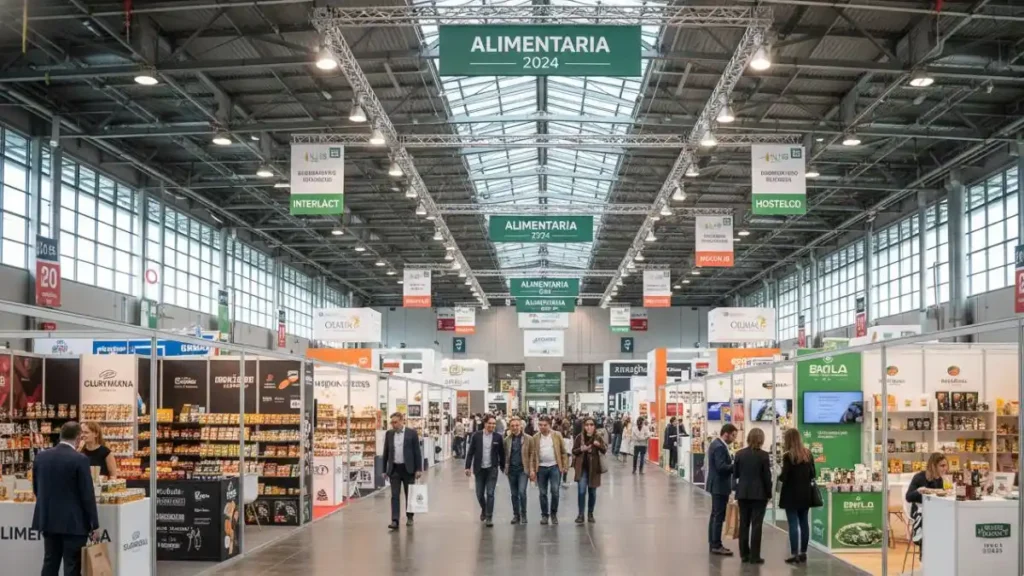
It introduced organic ranges, fair-trade products, and clear food labelling earlier than competitors, a direction strongly influenced by its steady presence at Italy’s major food and drink trade events that shape retailer trends each year.
The chain is recognised for its sustainability record and transparency in product sourcing.
Coop’s strength lies in its deep community ties, with many stores doubling as social hubs offering cultural events and local support programmes.
Esselunga – Premium Innovation
Esselunga is Italy’s most advanced private supermarket chain, renowned for high-quality stores, efficient logistics, and premium branding.
-
Revenue: about €9.4 billion.
-
Around 190 stores, mainly in northern Italy.
-
Employs nearly 25,000 people.
-
Market share: 9.8%.
Esselunga operates its own production plants and distribution centres, ensuring quality control from supplier to shelf.
It targets middle-to-high income households with modern, clean stores and exclusive products.
Its private-label ranges are viewed as premium — a rare case where store-brand goods are preferred over national brands.
The company leads in online grocery, offering same-day delivery through “Esselunga a Casa,” one of the first successful e-commerce grocery platforms in Italy.
Eurospin – The Discount Powerhouse
Eurospin has become Italy’s largest discount chain, known for efficiency and private-label strength.
-
Annual turnover: around €9 billion.
-
Over 1,200 stores across the country.
-
Around 18,000 employees.
-
Market share: 9.2%.
Eurospin’s model is simple — no frills, high turnover, and strong private-label development.
Its prices often undercut competitors by 20–30%.
The company manufactures many of its own products, ensuring control over cost and quality.
It also invests in energy-saving store technologies and Italian-sourced ingredients.
Gruppo VéGé – Regional Reach, National Strength
VéGé is Italy’s oldest retail group, operating since 1959. It’s a network of independent regional brands such as Crai, Sidis, and Iperal.
-
Revenue: roughly €8.6 billion.
-
More than 3,500 stores nationwide.
-
Around 35,000 employees.
-
Market share: 8.8%.
Its strength is scale with diversity. Each banner serves different consumer profiles — from local family grocers to large hypermarkets.
VéGé continues to grow through small-town presence and independent partnerships, maintaining local ownership while sharing central purchasing.
Carrefour Italia – Global Brand, Local Challenge
Carrefour’s Italian arm is part of the global French retail giant but operates independently within Italy’s regional structure.
-
Turnover: about €5.7 billion.
-
Around 1,400 stores.
-
Roughly 15,000 employees.
-
Market share: 5.3%.
Carrefour Italia combines hypermarkets, supermarkets, and small “Carrefour Express” convenience stores.
Despite strong brand recognition, it faces pressure from local cooperatives offering more authentic Italian sourcing.
The company is focusing on smaller urban formats and expanding online delivery, adjusting to changing shopping habits.
MD S.p.A. – Italy’s Homegrown Discount Chain
MD is one of Italy’s fastest-growing discount retailers.
-
Revenue: around €3.3 billion.
-
Over 850 stores.
-
More than 8,000 employees.
-
Market share: about 3.5%.
Founded in southern Italy, MD has grown steadily through affordability and efficient logistics.
It competes directly with Eurospin and Lidl, but keeps a stronger focus on Italian-sourced goods.
Its strategy is to blend low prices with local character.
Lidl Italia – Expanding European Player
Lidl’s Italian arm has grown consistently, focusing on quality improvements and sustainability.
-
Annual turnover: roughly €6.1 billion.
-
Around 730 stores.
-
Employs about 21,000 people.
-
Market share: close to 5%.
Lidl Italia has invested heavily in modern store design and premium-style private-label products.
It aims to attract middle-class shoppers who previously preferred traditional supermarkets.
Stores feature local wine, bakery counters, and renewable energy systems.
Pam Panorama – Reliable Mid-Market Choice
Pam Panorama remains a respected Italian retailer, operating both supermarkets and convenience formats.
-
Annual turnover: about €3.1 billion.
-
Around 730 outlets across Italy.
-
Roughly 9,500 employees.
-
Market share: around 2.5%.
Pam focuses on metropolitan areas, with a balance between everyday affordability and branded assortment.
Its private-label range “PamBio” supports organic and sustainable food trends.
Pam is also strengthening partnerships with local producers to differentiate from larger foreign chains.
Key Trends Reshaping Italy’s Grocery Market
1. Regional Identity Remains Strong
Italian shoppers trust local stores. Cooperatives and regional networks thrive on local loyalty and community involvement.
2. Private Labels Drive Growth
Store-owned brands now represent over 30% of total grocery sales. They are vital for margins and customer loyalty.
3. Discount Expansion
Chains like Eurospin, MD, and Lidl continue to gain share, especially in the south and islands, where price sensitivity is high.
4. E-commerce Maturity
Online grocery remains under 5% of sales but is growing. Esselunga, Coop, and Carrefour lead digital transformation with apps and quick delivery.
5. Sustainability and Local Produce
Environmental awareness is strong. Supermarkets invest in solar energy, recyclable packaging, and Italian-sourced ingredients.
6. Inflation and Spending Pressure
High food prices continue to influence shopper behaviour. Many Italians are trading down to store brands or smaller pack sizes.
7. Smaller Formats and Urban Focus
Consumers prefer accessible, quick-stop stores. Many chains now open compact formats in city centres, railway stations, and residential zones.
What Lies Ahead
The Italian supermarket market will remain cooperative-driven and regionally balanced.
Large discounters will keep gaining ground, but cooperatives like Conad and Selex are expected to stay dominant due to local loyalty and adaptability.
Technology, logistics, and sustainability will define the next stage of competition.
Italian consumers value origin, quality, and trust — and the supermarket that best delivers those values, while keeping prices fair, will shape the country’s retail future.