
The latest U.S. inflation data shows food prices continued to rise in May 2026, although at a slower pace than energy costs. According to the U.S. Consumer Price Index (CPI), overall food prices increased 3.1% year-on-year, while grocery prices rose 2.7% and restaurant prices increased 3.5%.
For supermarkets, FMCG manufacturers, and private label suppliers, the data highlights continued pressure in fresh produce and beverages, while dairy prices moved lower.
At a Glance
- Food inflation increased 3.1% year-on-year.
- Grocery prices rose 2.7% year-on-year.
- Restaurant prices increased 3.5% year-on-year.
- Fruits and vegetables recorded the highest food inflation at 6.1%.
- Non-alcoholic beverages increased 5.8%.
- Dairy prices declined 1.0%.
- Food prices increased 0.2% month-on-month in May.
Fresh Produce Remains the Biggest Inflation Driver
Fresh produce continued to lead food inflation across U.S. supermarkets.
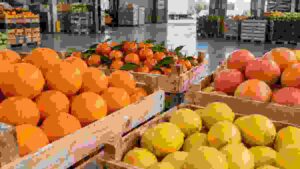
The fruits and vegetables category rose 6.1% over the past 12 months, making it the fastest-growing major grocery category. Higher produce costs remain a challenge for retailers, wholesalers, and foodservice operators managing margins while maintaining competitive shelf prices.
For supermarket buyers, fresh produce remains one of the most important categories to monitor as inflation continues to outpace overall grocery growth.
Beverage Costs Continue to Rise
Non-alcoholic beverages increased 5.8% year-on-year, while beverage materials including coffee and tea rose 1.1% during May alone.
The data suggests ongoing cost pressure for beverage suppliers and FMCG manufacturers operating in categories such as coffee, tea, soft drinks, and functional beverages.
Retailers may face continued pricing pressure across beverage aisles during the second half of 2026.
Dairy Provides Some Relief
Not all food categories experienced inflation.
The dairy and related products category declined 1.0% year-on-year, while dairy prices fell 0.6% during May. Cheese prices recorded a monthly decline of 2.9%.
Lower dairy costs may create opportunities for supermarkets to increase promotional activity and improve value perception among shoppers.
What It Means for Supermarkets
Food inflation remains significantly lower than energy inflation, but supermarkets continue to face category-specific challenges.
Fresh produce and beverages are placing upward pressure on grocery baskets, while dairy is helping offset some increases elsewhere.
Retailers are likely to focus on:
- Promotional pricing in dairy categories.
- Stronger private label positioning.
- Improved sourcing strategies for produce.
- Cost management across beverage categories.
- Value-led merchandising as consumers remain price conscious.
What It Means for FMCG Suppliers
The latest CPI data shows that food inflation is becoming increasingly uneven across categories.
Fresh produce suppliers continue to benefit from stronger pricing environments, while beverage manufacturers face ongoing input-cost pressures. Dairy suppliers may encounter greater competition as retailers use lower prices to drive traffic and basket growth.
For FMCG companies, category-specific pricing strategies are likely to become more important than broad inflation-led price increases.
What Happens Next?
The June CPI report will be released in July and will provide a clearer indication of whether food inflation is stabilising or beginning to accelerate again.
For now, fresh produce and beverages remain the key inflation categories affecting supermarkets and FMCG companies, while dairy continues to provide one of the few areas of pricing relief across the US grocery market.
Editor’s Note: This report is based on data from the U.S. Bureau of Labor Statistics (BLS) Consumer Price Index (CPI) for May 2026, released on 10 June 2026. The analysis focuses on food, grocery, fresh produce, beverage and restaurant price trends relevant to supermarket, FMCG and food industry stakeholders.