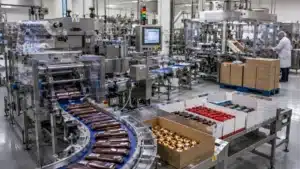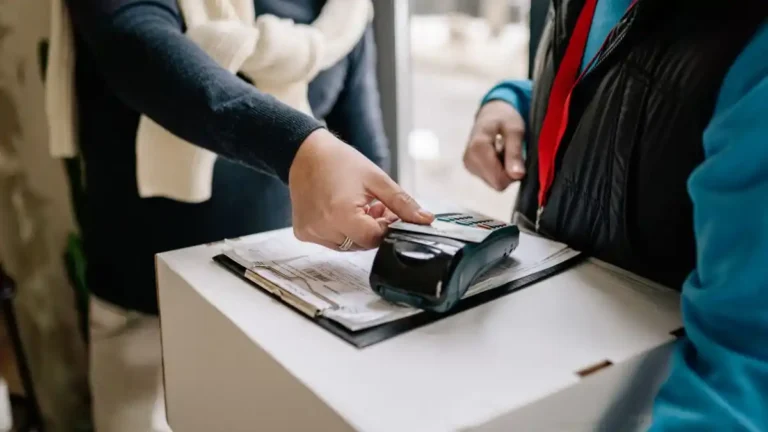

Hungary’s supermarket sector runs on a sophisticated digital infrastructure that connects store checkout systems, supply chain platforms, analytics software and e-commerce tools. The top 10 retail technology companies in Hungary provide the systems that enable supermarkets, hypermarkets and discounters to manage transactions, inventory, logistics and digital retail operations.
This ranking uses a hybrid methodology combining global financial scale with structural relevance to Hungary’s retail ecosystem. While global revenue reflects technology investment and research capability, the ranking places stronger weight on how deeply each company’s systems are embedded in supermarket operations used by retailers active in the Hungarian market.
The companies listed below represent the key technology layers supporting grocery retail: POS hardware, cloud retail software, enterprise supply chain systems, payment automation and digital commerce infrastructure.
2026 Ranking: Structural Importance in Hungarian Retail
| Rank | Company | Headquarters | Latest Verified Revenue | Technology Role | Hungary Retail Role |
|---|---|---|---|---|---|
| 1 | NCR Voyix | United States | $2.8bn (FY2024) | Retail commerce platforms | Checkout software and store systems |
| 2 | Diebold Nixdorf | United States | $3.75bn (FY2024) | Retail hardware & automation | Self-checkout and store infrastructure |
| 3 | SAP | Germany | €34.176bn (FY2024) | Enterprise retail software | Supply chain and merchandising backbone |
| 4 | Toshiba Global Commerce Solutions | Japan | Private | Retail POS hardware | Store infrastructure and checkout systems |
| 5 | Laurel Retail Systems | Hungary | Private | POS software & store systems | Core technology provider for domestic chains |
| 6 | GK Software | Germany | €165m+ (FY2024) | Cloud POS platforms | Software layer for international retailers |
| 7 | Oracle Retail | United States | $57.4bn (FY2025 group revenue) | Retail analytics & ERP | Merchandising and enterprise data systems |
| 8 | GLORY Global Solutions | Japan | ¥369bn (FY2024) | Cash automation systems | Cash recycling and payment infrastructure |
| 9 | Aptos | United States | Private | Omnichannel retail software | Lifecycle retail systems |
| 10 | ShopRenter | Hungary | Private | SaaS e-commerce platform | Digital retail infrastructure for SMEs |
1. NCR Voyix
Founded: 1884
Headquarters: Atlanta, United States
FY Revenue: $2.8 billion (FY2024)
Employees: ~15,000
Core Segments
Retail POS software
Payment processing platforms
Store management systems
Retail analytics software
Self-checkout infrastructure
Operational Relevance
Following the spin-off of its ATM business into NCR Atleos in 2023, NCR Voyix operates as a focused retail and hospitality technology provider. Its platforms manage checkout software, payments and digital commerce systems used by grocery retailers across Europe.
These systems integrate physical store checkouts with loyalty programs, digital receipts and payment infrastructure. In high-volume supermarket environments, such platforms must process thousands of transactions daily while maintaining system stability and secure payment handling.
Market Position
NCR Voyix remains one of the most widely deployed retail technology platforms globally. Its transaction systems are used by large supermarket operators across multiple markets, including chains active in Central Europe.
Because supermarkets increasingly require integrated transaction systems capable of linking store operations with digital retail channels, platforms like NCR Voyix form a central part of the modern retail technology stack.
Strategic Direction
The company is expanding its cloud-based commerce architecture, allowing retailers to manage checkout, payments and digital retail services from a unified software platform. This shift reflects broader industry trends toward integrated retail ecosystems that combine in-store and digital operations.
2. Diebold Nixdorf
Founded: 1859
Headquarters: North Canton, United States
FY Revenue: $3.75 billion (FY2024)
Employees: ~21,000
Core Segments
Self-checkout systems
Retail POS hardware
Store automation infrastructure
Retail software platforms
Payment transaction systems
Operational Relevance
Diebold Nixdorf supplies the hardware infrastructure used in many supermarket checkout environments. Its systems include self-checkout kiosks, POS terminals and automated payment platforms designed for high-volume retail environments.
Supermarkets depend on this hardware layer to support digital payment processing, customer checkout experiences and store automation. These systems must integrate with retail software platforms and payment networks while maintaining reliable uptime.
Market Position
The company holds a strong global position in retail hardware infrastructure. Self-checkout adoption has expanded rapidly across European supermarkets, making technology suppliers like Diebold Nixdorf essential partners in store modernisation.
Retailers increasingly deploy hybrid checkout environments combining staffed lanes with self-service systems to improve operational efficiency.
Strategic Direction
Diebold Nixdorf is expanding software-enabled store platforms that combine hardware infrastructure with cloud management tools. These systems allow retailers to monitor store performance, manage checkout equipment and integrate digital retail services.
3. SAP
Founded: 1972
Headquarters: Walldorf, Germany
FY Revenue: €34.176 billion (FY2024)
Employees: ~107,000
Core Segments
Enterprise resource planning (ERP)
Retail supply chain management
Merchandising systems
Data analytics platforms
Cloud enterprise software
Operational Relevance
SAP provides the enterprise software backbone used by many of the world’s largest retailers. Its retail solutions manage procurement, inventory planning, pricing, logistics and financial operations across large supermarket networks.
For grocery retailers operating in multiple countries, such systems coordinate supply chains connecting suppliers, warehouses and store networks.
Market Position
SAP remains one of the most influential enterprise software companies globally. Its retail systems are widely used by large supermarket groups that require scalable infrastructure capable of managing complex international supply chains.
Strategic Direction
The company continues expanding its S/4HANA cloud architecture and AI-enabled analytics tools. These platforms enable retailers to manage supply chains in real time while integrating digital commerce data with store operations.
4. Toshiba Global Commerce Solutions
Founded: 2012 (retail division spin-off)
Headquarters: Tokyo, Japan
FY Revenue: Private subsidiary within Toshiba Group
Employees: ~9,000
Core Segments
Retail POS systems
Self-checkout terminals
Store hardware infrastructure
Retail data solutions
Checkout automation platforms
Operational Relevance
Toshiba Global Commerce Solutions develops store systems used by many large retailers. Its POS platforms and checkout terminals are designed to handle high transaction volumes typical in supermarkets and hypermarkets.
The company’s systems connect with inventory management platforms, loyalty systems and payment networks, forming a core part of the retail technology environment.
Market Position
Toshiba is recognised as a major provider of retail store infrastructure globally. Its hardware platforms support thousands of retail stores worldwide.
Strategic Direction
The company continues investing in advanced store systems that combine hardware with analytics tools designed to improve retail performance and operational efficiency.
5. Laurel Retail Systems
Founded: 1993
Headquarters: Budapest, Hungary
Revenue: Private company
Core Segments
POS software platforms
Retail inventory systems
Self-service checkout technology
Store management software
Retail system integration
Operational Relevance
Laurel Retail Systems is one of the most significant domestic retail technology companies in Hungary. Its platforms support store operations for local retail networks including cooperative supermarket groups and regional chains.
The company provides integrated retail systems combining checkout software, inventory management and store analytics tools.
Market Position
Within Hungary’s retail technology ecosystem, Laurel functions as a strategic partner for domestic supermarket groups. Its local expertise allows it to tailor systems to the operational needs of Hungarian retailers.
Strategic Direction
Laurel continues developing retail automation and digital store systems aimed at improving operational efficiency and modernising store infrastructure within domestic retail networks.
6. GK Software
Founded: 1990
Headquarters: Schöneck, Germany
FY Revenue: €165 million+ (FY2024)
Employees: ~1,200
Core Segments
Cloud POS platforms
Unified commerce software
Retail data management systems
Store analytics tools
Digital retail integration
Operational Relevance
GK Software develops cloud-based retail platforms used by international retailers. These systems manage pricing, inventory, promotions and digital commerce integration across store networks.
In grocery retail environments, unified commerce software ensures that store operations remain consistent with e-commerce platforms and mobile applications.
Market Position
GK Software has established itself as a leading European provider of retail cloud platforms. Its technology supports international supermarket chains seeking modern digital retail systems.
Strategic Direction
The company is expanding cloud-native retail software designed for global retailers transitioning toward unified commerce environments.
7. Oracle Retail
Founded: 1977
Headquarters: Austin, United States
FY Revenue: $57.4 billion (Oracle group FY2025)
Core Segments
Retail merchandising platforms
Enterprise retail analytics
Supply chain planning software
Retail data management systems
Cloud infrastructure
Operational Relevance
Oracle Retail provides enterprise platforms that help retailers manage inventory, pricing and merchandising strategies. These systems are often used alongside other enterprise software to coordinate large retail supply chains.
For supermarkets managing thousands of products and complex supplier networks, such systems provide advanced analytics capabilities.
Market Position
As part of Oracle’s global enterprise software ecosystem, Oracle Retail platforms serve large retailers that require data-driven decision-making tools.
Strategic Direction
Oracle continues expanding cloud-based analytics and AI-enabled retail platforms designed to improve forecasting, demand planning and merchandising decisions.
8. GLORY Global Solutions
Founded: 1918
Headquarters: Tokyo, Japan
FY Revenue: ¥369 billion (FY2024)
Core Segments
Cash recycling systems
Retail cash automation
Payment infrastructure
Teller automation technology
Cash management software
Operational Relevance
GLORY provides automated cash handling systems widely used in retail environments. These machines process, count and recycle banknotes within checkout environments.
Such systems improve efficiency in supermarkets where cash transactions remain common.
Market Position
GLORY is a leading global supplier of cash automation technology used in banks and retail stores.
Strategic Direction
The company continues developing advanced cash automation systems integrated with retail checkout environments and payment networks.
9. Aptos
Founded: 1972
Headquarters: Atlanta, United States
Revenue: Private company
Core Segments
Omnichannel retail software
Inventory lifecycle management
Retail analytics platforms
Customer engagement systems
Digital retail integration
Operational Relevance
Aptos develops software platforms used by retailers to manage product lifecycle, inventory and customer engagement systems. While widely used in specialty retail sectors, these systems also support omnichannel retail strategies.
Market Position
The company operates as a mid-scale retail software provider with strong expertise in omnichannel retail management.
Strategic Direction
Aptos continues developing retail lifecycle software designed to support retailers managing both digital and physical sales channels.
10. ShopRenter
Founded: 2009
Headquarters: Budapest, Hungary
Revenue: Private company
Core Segments
SaaS e-commerce platforms
Digital storefront software
Online retail management tools
Payment integration systems
Logistics integration platforms
Operational Relevance
ShopRenter provides a widely used SaaS platform enabling small and medium-sized retailers to launch and manage online stores. Its systems integrate payment platforms, logistics providers and digital storefront management tools.
Market Position
The company plays an important role in Hungary’s domestic e-commerce ecosystem, helping SMEs participate in the digital retail economy.
Strategic Direction
ShopRenter continues expanding integrations with payment platforms, logistics networks and digital marketing tools to support growing e-commerce adoption.
Structural Analysis: Retail Technology Infrastructure in Hungary
Hungary’s supermarket sector operates within a broader European retail technology environment. Modern grocery retail requires multiple interconnected systems, including hardware infrastructure, enterprise software platforms and digital commerce tools.
Hardware suppliers provide checkout terminals and automation equipment used in stores. Software providers develop systems that manage inventory, supply chains and pricing strategies. Digital commerce platforms integrate online ordering with physical store networks.
Retailers increasingly depend on integrated technology environments capable of linking stores, warehouses and digital channels.
Structural Analysis: Automation and Digital Retail
Automation has become a central theme in European grocery retail. Self-checkout systems, AI-driven inventory tools and automated warehouse technologies are transforming store operations.
Hungary’s retail sector has experienced increasing adoption of these technologies as supermarkets focus on improving operational efficiency and reducing labour constraints.
The growth of digital grocery services has also expanded the importance of logistics technology and warehouse automation. Systems that optimise inventory and fulfilment operations have become essential for retailers managing both physical stores and online orders.
Conclusion
Hungary’s retail technology landscape reflects the intersection of global enterprise platforms and domestic technology innovators. The top retail technology companies in Hungary provide the infrastructure behind checkout systems, supply chain platforms, retail analytics and digital commerce environments used by supermarkets operating in the country.
As retailers continue investing in automation, unified commerce platforms and data-driven retail management, technology providers will remain central partners in the development of Hungary’s supermarket sector and its broader FMCG supply chain.
Editor’s Note: This article is based on publicly available financial disclosures, company annual reports and verified industry information covering fiscal years 2024 and 2025 where available. Currency values are presented according to each company’s reporting currency. Revenue figures for private companies are not publicly disclosed and therefore not included.