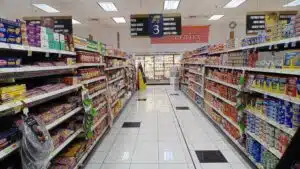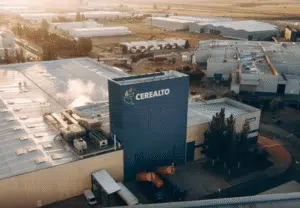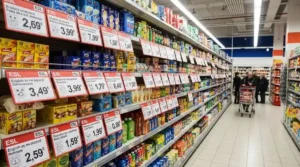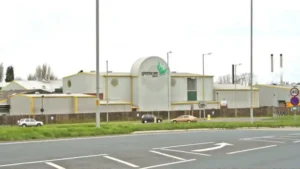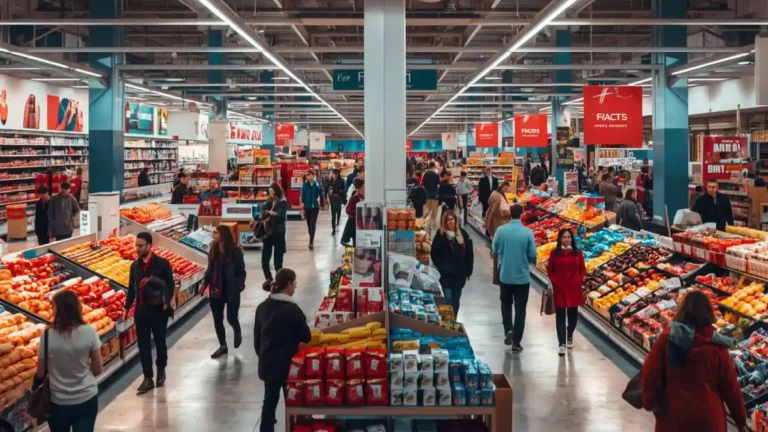

Slovakia’s supermarket sector is entering one of the most competitive periods in its modern retail history.
Discount chains are expanding fast. Private label competition is getting stronger. The arrival of Biedronka has also triggered a major pricing battle across the country.
The main players hold clear positions:
- Tesco remains the turnover leader.
- Lidl continues to lead on profitability.
- Kaufland is expanding rapidly across regional towns.
- COOP Jednota still dominates rural grocery retail through its large store network.
At the same time, Slovakia is strengthening its role as a regional private label manufacturing hub. It supplies supermarket chains across Central Europe.
Market Watch: The “Biedronka Effect”
Biedronka ranks lower by current store scale in Slovakia. Even so, it has already become one of the country’s most influential supermarket operators in 2026.
Its aggressive discount pricing is reshaping competition across:
- milk
- poultry
- bakery
- cooking oil
- frozen food
Lidl, Kaufland, Tesco and domestic Slovak retailers are all adjusting pricing and private label strategies. This comes as Biedronka rapidly expands.
At a Glance: Top 10 Supermarkets in Slovakia 2026
| Rank | Retailer | Main Format | 2026 Market Position |
|---|---|---|---|
| 1 | Tesco Slovakia | Hypermarket / Convenience | Revenue & E-commerce Leader |
| 2 | Lidl Slovakia | Discount | Profitability & Private Label Leader |
| 3 | Kaufland Slovakia | Hypermarket | Fresh-food & Regional Expansion Leader |
| 4 | COOP Jednota | Supermarket / Convenience | Rural Backbone. Leader in Autonomous Tech |
| 5 | Billa Slovakia | Supermarket | Premium Urban & Fuel-Partner Specialist |
| 6 | Metro Slovakia | Cash & Carry | B2B / HoReCa Market Leader |
| 7 | Fresh / Labaš | Supermarket | Largest Independent Domestic Chain |
| 8 | Terno / KRAJ | Supermarket | Regional Specialist for Premium & Local Foods |
| 9 | Nitrazdroj | Grocery Retail | Western Slovakia Regional Operator |
| 10 | Biedronka Slovakia | Discount | Fast-growing Disruptor & Price Leader |
1. Tesco Slovakia
Key facts
Founded in Slovakia: 1996
Parent company: Tesco PLC (UK)
Headquarters: Bratislava
2026 position
Tesco remains Slovakia’s largest supermarket retailer by turnover in 2026.
The company runs several formats:
- hypermarkets
- Tesco Express stores
- fuel retail
- one of the country’s strongest online grocery networks
Tesco has also expanded its Whoosh rapid delivery service across major Slovak cities as convenience competition grows.
The retailer continues to focus on e-commerce, Clubcard loyalty growth and smaller urban store formats.
2. Lidl Slovakia
Key facts
Founded in Slovakia: 2004
Parent company: Schwarz Group (Germany)
Headquarters: Bratislava
2026 position
Lidl remains the profitability leader in Slovakia’s supermarket sector. It continues to dominate discount grocery through strong private label brands, efficient operations and aggressive pricing.
In 2026, Lidl launched major “Permanent Price Drops” across hundreds of staple grocery products. This followed growing competition from Biedronka.
Together with Kaufland, Schwarz Group now has enormous influence across Slovak grocery retail.
3. Kaufland Slovakia
Key facts
Founded in Slovakia: 2000
Parent company: Schwarz Group (Germany)
Headquarters: Bratislava
2026 position
Kaufland remains one of Slovakia’s strongest hypermarket operators in 2026. It continues to expand into regional towns.
It is also strengthening these categories:
- fresh produce
- bakery
- meat
- ready meals
Kaufland remains especially popular for large weekly shopping trips and aggressive promotional campaigns. Private label expansion continues to play a major role in its growth strategy.
4. COOP Jednota
Key facts
Founded: Cooperative roots dating back to 1869
Headquarters: Bratislava
2026 position
COOP Jednota operates Slovakia’s largest grocery store network, with more than 2,000 locations nationwide.
The retailer remains the backbone of rural food retail. It still serves many communities where international chains have limited presence.
By May 2026, COOP had already rolled out more than 20 autonomous 24/7 stores across rural Slovakia. Labour shortages and operating costs continue to rise.
5. Billa Slovakia
Key facts
Founded in Slovakia: 1993
Parent company: REWE Group (Germany)
Headquarters: Bratislava
2026 position
Billa continues to strengthen its premium supermarket position in Slovakia. The retailer focuses on:
- fresh food
- convenience shopping
- bakery categories
- Slovak-origin sourcing
Its Billa VIVA partnership with OMV fuel stations continues to expand convenience retail coverage.
In 2026, Billa is increasingly targeting urban consumers who want faster shopping trips and higher-quality fresh ranges.
6. Metro Slovakia
Key facts
Founded in Slovakia: 2000
Parent company: Metro AG (Germany)
Headquarters: Ivanka pri Dunaji
2026 position
Metro Slovakia remains one of the country’s most important wholesale food distributors. It mainly supplies:
- restaurants
- hotels
- cafés
- caterers
- independent retailers
Recovery in the HoReCa sector during 2026 has helped strengthen Metro’s business performance. The company also continues to invest in digital procurement systems and professional foodservice logistics.
7. Fresh / Labaš
Key facts
Founded: 1990s
Parent company: Labaš Group
Headquarters: Košice
2026 position
Fresh supermarkets remain Slovakia’s largest independent domestic grocery chain.
The Labaš Group is also one of the country’s biggest food wholesalers. This gives the retailer stronger purchasing power than many local competitors.
Fresh continues to focus on regional loyalty, local sourcing and fresh-food positioning. It remains strongest in eastern Slovakia.
8. Terno / KRAJ
Key facts
Founded: 1990s
Operator: TERNO plus
Headquarters: Bratislava
2026 position
Terno and KRAJ continue to operate as important regional supermarket chains in Slovakia.
KRAJ is increasingly positioned as a premium urban grocery brand. It targets health-conscious and higher-income consumers.
The retailer has invested heavily in modern store layouts, premium fresh food and local supplier partnerships. Competition is growing across the Slovak market.
9. Nitrazdroj
Key facts
Founded: 1990s
Headquarters: Nitra
2026 position
Nitrazdroj remains an important regional supermarket and wholesale operator, especially in western Slovakia.
Like several domestic chains, the company faces growing pressure from labour inflation, energy costs and discount competition.
Rising private label pricing pressure from Lidl and Biedronka continues to squeeze margins for smaller Slovak grocery operators in 2026.
10. Biedronka Slovakia
Key facts
Entered Slovakia: 2025
Parent company: Jerónimo Martins (Portugal)
Main logistics hub: Voderady near Trnava
2026 position
Biedronka has become the biggest disruptor in Slovakia’s supermarket sector.
By May 2026, the retailer had already expanded to roughly 35–40 stores nationwide. It is moving towards its 50-store target.
Its aggressive pricing has increased competition across milk, poultry, bakery and cooking oil categories.
Its Voderady logistics hub has become the centre of its fast-growing Slovak expansion network.
Slovakia becomes a private label manufacturing hub
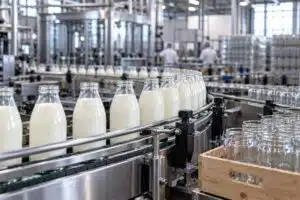
Slovakia is increasingly becoming a regional private label production centre for Central Europe.
Major domestic suppliers are producing retailer-label goods for supermarket chains across neighbouring countries. They include:
- Tatranská mliekareň
- Hyza
- Lunter / Alfa Bio
That shift is strengthening Slovakia’s role in:
- supermarket sourcing
- FMCG manufacturing
- regional supply chains
- local-origin private label production
Retail technology expands across rural Slovakia
Retail automation is becoming more important in the Slovak supermarket market.
Retailers are investing heavily in:
- self-checkout systems
- electronic shelf labels
- energy-efficient refrigeration
- digital loyalty systems
- autonomous convenience stores
COOP Jednota’s rollout of autonomous 24/7 stores is one of the most closely watched retail technology projects in Central Europe.
Local sourcing becomes more important
Local sourcing remains one of the biggest supermarket themes in Slovakia during 2026.
Consumers across Central Europe continue to pay closer attention to:
- Slovak-made products
- domestic fresh food
- regional meat and dairy sourcing
- private label quality standards
Retailers including Billa, COOP Jednota, Lidl and Biedronka are all increasing partnerships with Slovak suppliers as competition grows.
Packaging regulation pressures supermarkets
The upcoming EU Packaging and Packaging Waste Regulation (PPWR) is already influencing supermarket strategy across Slovakia.
Retailers are redesigning private label packaging to prepare for future EU rules. These rules focus on:
- recyclable materials
- reduced plastics
- lightweight packaging
- broader sustainability targets
The regulation is expected to have a major impact on FMCG suppliers, discount retailers and private label manufacturers. Supermarkets are preparing for stricter packaging and environmental standards across the European market.
Why It Matters
Slovakia’s supermarket sector is becoming one of the most strategically important grocery battlegrounds in Central Europe.
Several forces are reshaping how supermarket retailers operate across the country:
- aggressive discount expansion
- rising private label competition
- retail automation
- local sourcing pressure
- packaging regulation
- higher labour costs
The pressure is spreading beyond retail shelves. Suppliers across Slovakia packaging, Slovakia FMCG manufacturing, and Slovakia fresh produce distribution are also adapting. They face faster pricing cycles and stronger retailer control over sourcing strategies.
The biggest competitive story remains the “Biedronka Effect”. It is forcing retailers to rethink pricing, sourcing and operational strategy across the Slovak grocery market in 2026.
Frequently Asked Questions
Which is the largest supermarket in Slovakia?
Tesco remains Slovakia’s largest supermarket retailer by turnover in 2026. Lidl leads on profitability.
Which retailer has the most stores in Slovakia?
COOP Jednota operates Slovakia’s largest grocery store network, with more than 2,000 locations nationwide. By May 2026, it had rolled out more than 20 autonomous 24/7 stores.
What is the “Biedronka Effect”?
Biedronka entered Slovakia in 2025 and had roughly 35–40 stores by May 2026, with a 50-store target. Its aggressive pricing is forcing rivals to rethink pricing, sourcing and private label strategy.
What happens next
The Slovak grocery market is expected to remain highly competitive through the rest of 2026. Discount chains continue to expand, and domestic operators are defending market share.
Retailers are likely to increase investment in Slovakia supermarket automation, Slovakia FMCG sourcing, Slovakia private label manufacturing, and Slovakia retail technology as competition intensifies.
Private label growth, local sourcing and operational efficiency are expected to remain the biggest themes in Slovakia’s supermarket sector over the next several years.
The pressure is also expected to influence wider areas of the regional grocery industry, including:
- Slovakia FMCG production
- Slovakia private label supply chains
- Slovakia retail technology investment
- Slovakia supermarket expansion strategies
Editor’s Note: This article was prepared using retailer announcements, company disclosures, FinStat reporting, Slovak grocery market data, and publicly available supermarket expansion information from 2025–2026.