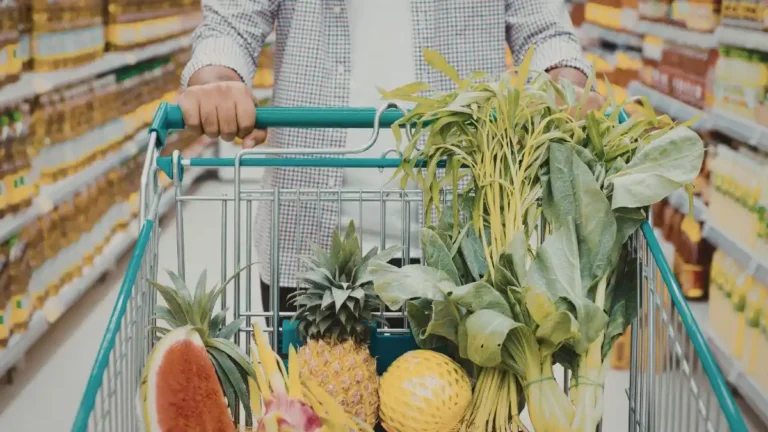

Fresh produce competition in Latvia is no longer centred only on farming volume.
The market is increasingly shaped by:
- greenhouse technology
- ready-to-eat vegetable processing
- frozen berry exports
- Baltic supermarket logistics
Retailers across the region are pushing suppliers harder to improve packaging, certification standards, delivery consistency and year-round availability.
That pressure has grown as discount chains expand across the Baltics and Nordic retailers demand stronger sourcing transparency. Latvia’s produce sector now sits where agriculture, food processing and regional grocery distribution meet.
Companies such as Dimdiņi, Very Berry and Getliņi EKO are becoming increasingly important inside Baltic supermarket supply chains.
Top fresh produce companies in Latvia
| Rank | Company | Strategic Role | Core Category |
|---|---|---|---|
| 1 | Dimdiņi | Retail-ready vegetables | Fresh-cut produce |
| 2 | Very Berry | Export-oriented berry supplier | Frozen berries |
| 3 | Getliņi EKO | Sustainable greenhouse producer | Tomatoes & cucumbers |
| 4 | Mārupes Siltumnīcas | Domestic supermarket supplier | Greenhouse vegetables |
| 5 | Lat Eko Food | Organic produce processor | Organic fruit & baby food |
Why Latvia’s fresh produce sector matters in 2026
Latvia is not competing directly with Spain, Italy or the Netherlands on agricultural scale. Its strength is increasingly tied to regional logistics and specialised produce categories.
Baltic retailers are demanding shorter supply chains, fresher stock turnover and more locally sourced products.
That trend has created new opportunities for greenhouse operators, berry exporters and vegetable processors. The winners are those able to supply retailers quickly across Latvia, Lithuania, Estonia and parts of Northern Europe.
The structure of the market is changing as well.
Fresh produce companies are no longer simply growers. Many now operate across processing, packaging, cold storage and retail-ready distribution.
That shift is becoming one of the defining features of the Latvia produce sector.
1. Dimdiņi
Founded in the early 1990s, Dimdiņi has become one of the most recognisable vegetable processing companies in Latvia.
What it supplies
The company is especially visible in these categories sold across Baltic supermarkets:
- packaged cabbage products
- sauerkraut
- peeled vegetables
- ready-to-eat salads
Its importance comes from processing efficiency rather than farming scale alone.
Why it matters to supermarket buyers
Retailers across the Baltic grocery sector want labour-saving fresh produce formats that reduce in-store preparation work. Dimdiņi operates directly inside that trend through pre-packed and retail-ready vegetable products.
The company also benefits from changing consumer shopping habits.
Convenience food buying continues to grow across Latvia’s urban supermarket sector, especially in Riga and surrounding regions. Fresh-cut vegetables and prepared salad mixes are becoming more important in discount retail and private label grocery ranges.
Operationally, Dimdiņi sits in a strong position because it combines:
- domestic vegetable sourcing
- processing capability
- packaging operations
- supermarket distribution relationships
That combination gives the company relevance beyond traditional farming.
2. Very Berry
Very Berry is one of Latvia’s strongest export-oriented fresh produce businesses. The company focuses heavily on berries, frozen fruit products, juices and Nordic export supply chains.
Why frozen berries matter
Frozen berries are becoming strategically important in Northern European grocery retail. Supermarkets increasingly want stable year-round supply instead of depending on highly seasonal sourcing.
Latvia has gradually built a stronger role in this area. Regional climate conditions and growing frozen-food infrastructure have helped.
Very Berry benefits from several structural trends:
- rising demand for berry-based health products
- smoothie category growth
- frozen superfood retail demand
- Nordic sourcing diversification
Export strength
The company’s export focus also matters.
Latvian produce companies with export capability are increasingly valuable, because the Baltic domestic market alone limits long-term growth. Companies supplying Scandinavian and wider EU retail networks generally achieve stronger operational resilience.
Berry processing has also become more industrialised.
Retail buyers now expect:
- traceability
- food safety certification
- stable packaging formats
- predictable logistics performance
That pressure is reshaping the competitive structure of the Baltic berry market.
3. Getliņi EKO
Getliņi EKO has become one of the most strategically interesting greenhouse operations in the Baltic region.
How its model works
The company is widely known for combining waste management infrastructure with greenhouse agriculture. Heat from waste processing is reused for greenhouse vegetable production, especially tomatoes and cucumbers.
That model has attracted significant attention. Energy costs remain one of the biggest risks facing greenhouse operators across Europe.
Why it matters to supermarket buyers
For supermarkets, year-round local vegetable supply is becoming increasingly important.
Retailers want:
- shorter transport routes
- fresher stock
- lower spoilage rates
- less dependence on imported vegetables during colder months
Getliņi EKO operates directly inside that supermarket pressure.
The company also fits wider sustainability targets that increasingly affect Baltic grocery retail and European food sourcing requirements.
Its relevance is no longer only agricultural.
It now sits inside:
- sustainability discussions
- food security concerns
- local sourcing strategies
- greenhouse technology investment trends
That gives Getliņi EKO a larger strategic role than many traditional vegetable producers.
4. Mārupes Siltumnīcas
Mārupes Siltumnīcas remains one of Latvia’s most important greenhouse vegetable suppliers. It is best known for tomatoes and cucumbers supplied to domestic supermarket chains.
Local sourcing pressure
The company benefits from one major retail trend: local sourcing pressure.
Supermarkets across the Baltics increasingly promote domestic produce as part of their pricing, freshness and sustainability positioning.
Imported vegetables still dominate parts of the market. Even so, retailers keep trying to reduce dependence on long-distance supply chains where possible.
That shift supports greenhouse operators that can maintain reliable local supply volumes.
Price stability
Greenhouse production also helps reduce price swings.
Imported fresh produce remains vulnerable to:
- fuel costs
- weather disruption
- border logistics
- wider European agricultural supply fluctuations
Domestic greenhouse production partly offsets those risks for retailers.
The company therefore plays an important operational role in Latvia’s grocery ecosystem. This holds even though it operates in a smaller market than major Western European greenhouse producers.
5. Lat Eko Food
Lat Eko Food has become one of the most visible organic food processors in Latvia. It is known for its Rudolfs brand and wider organic sourcing network.
What it does
The company is not purely a fresh produce grower. However, it plays a major role in connecting Latvian organic fruit and vegetable suppliers with processed retail categories.
That distinction matters.
The organic produce market increasingly depends on integrated supply chains rather than standalone farms. Companies that can process, package and sell organic ingredients often hold stronger positions in supermarket distribution systems.
Lat Eko Food benefits from:
- rising organic demand
- Nordic retail interest
- premium baby food growth
- export-oriented organic sourcing
Why it matters to supermarket buyers
The company also reflects a wider shift across European grocery retail.
Retailers increasingly treat organic produce not only as a niche category. They also see it as part of long-term premium private label development.
That creates more opportunities for suppliers with stable organic sourcing infrastructure.
The Lidl effect on Latvia’s produce sector
The arrival and expansion of discount grocery competition has increased operational pressure across Latvia’s produce industry.
Retailers now expect:
- stricter certification standards
- improved packaging consistency
- lower pricing
- faster logistics
- stronger supply reliability
That pressure has accelerated investment in:
- greenhouse efficiency
- cold storage
- retail-ready processing
- private label supply capability
For many Latvian produce businesses, competing no longer depends only on growing quality crops. It increasingly depends on whether they can operate at supermarket supply-chain standards.
That distinction is reshaping the sector.
Latvia’s growing role as a Baltic logistics hub
One of the most important structural trends is Latvia’s expanding role in Baltic food logistics.
Fresh produce is increasingly repackaged and redistributed through Baltic logistics networks connected to Latvia. It is imported from:
- Spain
- Poland
- the Netherlands
- Southern Europe
That creates additional opportunities in:
- cold-chain services
- produce packaging
- warehouse operations
- cross-border supermarket distribution
The market is gradually becoming more regional rather than country-specific.
Retailers operating across Estonia, Latvia and Lithuania increasingly manage the Baltics as one connected grocery supply corridor.
That trend is likely to continue during the rest of 2026.
Frequently Asked Questions
Which are the top fresh produce companies in Latvia?
The ranking lists Dimdiņi, Very Berry, Getliņi EKO, Mārupes Siltumnīcas and Lat Eko Food. They cover fresh-cut produce, frozen berries, greenhouse vegetables and organic fruit.
What makes Getliņi EKO different?
Getliņi EKO combines waste management infrastructure with greenhouse agriculture. Heat from waste processing is reused to grow tomatoes and cucumbers.
Why are frozen berries important for Latvia?
Supermarkets in Northern Europe increasingly want stable year-round supply. Frozen berries meet that need, and exporters such as Very Berry supply Nordic and wider EU retail networks.
What happens next
Several long-term trends are expected to shape Latvia’s fresh produce sector over the next few years.
Greenhouse investment will likely keep growing as retailers prioritise local sourcing and year-round vegetable availability. That trend is also expected to create stronger links with the wider Latvia supermarket sector as retailers push for shorter and more resilient supply chains.
Frozen berry exports are also expected to remain important as Nordic and wider European demand for health-oriented food keeps growing. Many producers are also investing in packaging upgrades and cold-chain efficiency. This links the sector more closely with the wider Latvia packaging industry.
Ready-to-eat vegetable categories may become even more significant across Baltic supermarkets. Labour efficiency and convenience buying continue to influence retail strategy. Retailers are also expected to invest more in stock systems and shelf monitoring tools tied to the Latvia retail technology market.
The role of Latvia as a regional logistics and produce-processing hub is also becoming clearer now.
Rather than competing directly with Europe’s largest agricultural producers on scale, Latvia is increasingly building its position around:
- processing
- regional distribution
- greenhouse specialisation
- export-oriented produce logistics
That structure is likely to define the next phase of growth across the Latvian produce industry.
Editor’s Note: This article was prepared using company information, Baltic food industry data, supermarket supply-chain reporting. Greenhouse sector insights, and publicly available regional trade information related to Latvia’s fresh produce market in 2026.