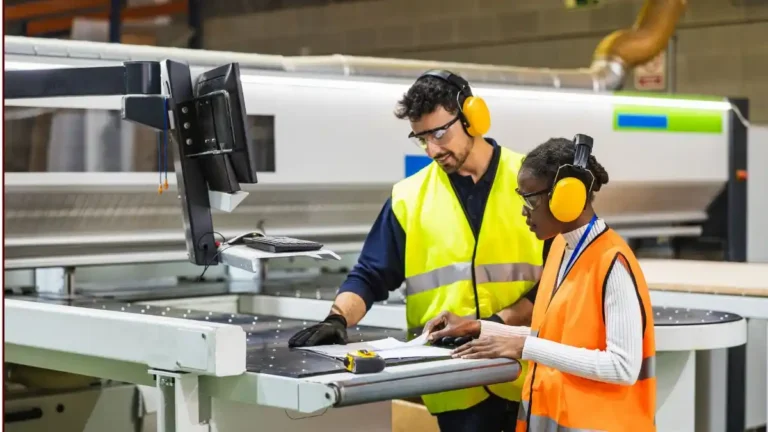

Lithuania’s private label manufacturing sector is becoming increasingly important inside the wider European grocery supply chain.
Labour costs are rising in parts of Western Europe. Retailers also want lower-cost but EU-compliant production. Together, these pressures are pushing more supermarket sourcing contracts toward Baltic manufacturers.
That shift is especially visible across:
- dairy
- seafood
- frozen food
- poultry
- beverages
Lithuanian producers now supply major retailers across Scandinavia, Germany, Central Europe and the Baltics. They often work behind supermarket own-brand labels rather than consumer-facing brands.
Several Lithuanian groups have built strong positions in Europe’s private label ecosystem. This is thanks to the country’s export infrastructure, competitive manufacturing costs and established food-processing expertise.
At a Glance: Lithuania’s Leading Private Label Manufacturers
| Rank | Company | FY Revenue | Strategic Role |
|---|---|---|---|
| 1 | Viciunai Group | €600M+ | Seafood and frozen-food private label scale |
| 2 | Pieno Žvaigždės | €218.4M | Dairy private label specialist |
| 3 | Žemaitijos Pienas | €340.3M | Premium cheese manufacturing |
| 4 | MV GROUP Production | €50M–€70M | Beverage and bottling operations |
| 5 | KG Group | Part of €1.58B+ Akola Group | Poultry and integrated food production |
1. Viciunai Group
What it produces
Founded in 1991, Vičiūnai Group has grown into one of the Baltic region’s largest food-processing companies.
The group operates multiple manufacturing sites across Europe. It has become particularly dominant in seafood and frozen-food private label production.
Its product range includes:
- surimi
- crab sticks
- frozen seafood
- smoked salmon
- frozen pizzas
- dumplings
- ready meals
Why it matters to supermarket buyers
The company’s strength comes from industrial scale. Many European supermarket chains need high-volume, highly standardised production that can support multi-country retail distribution.
Vičiūnai fits that requirement well.
Its BRCGS and IFS-certified production facilities also make the company attractive to retailers. They help reduce sourcing complexity across seafood and frozen categories.
In practical terms, Vičiūnai has become part of the hidden infrastructure behind many supermarket own-brand frozen-food aisles across Northern and Western Europe.
2. Pieno Žvaigždės
What it produces
Pieno Žvaigždės was established in 1998 following the merger of several regional Lithuanian dairy operations.
The company is now one of the country’s largest dairy processors. It produces the following for both retail and industrial customers:
- milk
- butter
- yogurts
- cottage cheese
- sour cream
- UHT products
- dairy ingredients
Why it matters to supermarket buyers
Its private label importance comes from flexibility.
European retailers increasingly want dairy suppliers that can adapt quickly, without long production delays, on:
- packaging formats
- shelf-life requirements
- fat-content specifications
- regional labeling standards
Pieno Žvaigždės has spent years building exactly that type of operational model.
That adaptability has helped the company keep strong relationships with both Baltic and export-market supermarket buyers.
Dairy remains one of the most competitive private label categories in Europe. Price sensitivity stays high even during inflationary periods.
Lithuanian dairy exporters continue to benefit from lower operational costs than many Western European processors.
3. Žemaitijos Pienas
What it produces
Founded on dairy-processing roots dating back to 1924, Žemaitijos Pienas has become one of Lithuania’s strongest premium cheese producers.
The company is particularly known for:
- hard cheeses
- mozzarella
- butter
- whey products
- snack cheese formats
Its branded products remain important. But the company also holds a strong position in premium private label cheese manufacturing.
Why it matters to supermarket buyers
Retailers across Europe are looking for higher-quality store-brand cheese. They want products that can compete with national brands while still protecting supermarket margins. Žemaitijos Pienas sits directly inside that opportunity.
Its industrial maturation infrastructure and EU-compliant production systems help retailers. They can introduce more upscale private label cheese ranges without relying entirely on higher-cost Western European suppliers.
That matters as supermarkets continue pushing premiumisation inside private label ranges rather than competing only on low prices.
4. MV GROUP Production
What it produces
MV GROUP Production traces parts of its industrial history back to older Lithuanian distillery operations, including Stumbras.
The business produces:
- vodka
- bitters
- sparkling wine
- cider
- liqueurs
- traditional beverages like kvass
Why it matters to supermarket buyers
Alcohol private label manufacturing remains a highly competitive retail category. Supermarkets continue using own-brand beverages to protect margins against global branded suppliers.
MV GROUP Production has positioned itself as a scalable bottling and beverage partner. It targets retail buyers looking for cost-efficient European production with modern quality standards.
Its large-scale annual production capacity gives the company relevance beyond Lithuania’s domestic market.
Retailers increasingly want consolidated beverage manufacturing that covers multiple categories under one supplier relationship. MV GROUP benefits from that trend.
5. KG Group
What it produces
KG Group is now part of the wider Akola Group structure. It operates across:
- poultry
- grain processing
- prepared foods
- instant meals
- feed production
The company supplies fresh poultry, frozen chicken products, nuggets, strips, flour mixes, instant noodles and other packaged food categories.
Why it matters to supermarket buyers
The company’s major advantage is vertical integration.
Few regional manufacturers control as much of the production chain in-house. KG Group covers everything from feed production and grain sourcing through to poultry farming and packaged retail products.
That structure matters more and more to European supermarket buyers. They are focused on traceability, food-security compliance and supply-chain resilience.
European retailers continue to prioritise sourcing security after several years of supply-chain disruption. As a result, vertically integrated food manufacturers like KG Group are becoming more strategically important in supermarket procurement.
Industry Outlook
Lithuania’s private label sector is expected to remain closely tied to broader European retail cost pressures through 2026 and beyond.
Supermarkets across Europe continue expanding own-brand ranges. Consumers remain price-sensitive in categories like dairy, frozen food, poultry and prepared meals.
That trend is creating more sourcing opportunities for Baltic manufacturers. The winners combine lower operating costs with EU-certified production standards.
The country’s geographic position also supports export efficiency into Scandinavia, Germany, Poland and Central Europe.
Another important factor is manufacturing specialisation. Lithuania is not trying to dominate every FMCG category.
Instead, its strongest operators are building concentrated expertise in dairy, seafood, poultry and beverage manufacturing. These are areas where operational efficiency can scale more effectively.
Frequently Asked Questions
Who are the leading private label manufacturers in Lithuania?
The five companies covered are Viciunai Group, Pieno Žvaigždės, Žemaitijos Pienas, MV GROUP Production and KG Group. Viciunai Group leads with revenue of €600M+.
Which categories do Lithuanian private label manufacturers specialise in?
Their strongest categories are dairy, seafood, frozen food, poultry and beverages. Lithuania is building concentrated expertise rather than trying to dominate every FMCG category.
Where do Lithuanian manufacturers export private label products?
They supply major retailers across Scandinavia, Germany, Central Europe and the Baltics. The country’s location supports export efficiency into Scandinavia, Germany, Poland and Central Europe.
What Happens Next
Private label competition across Europe is likely to intensify further. Supermarkets continue protecting margins against branded inflation pressure.
Lithuanian manufacturers may benefit from that shift, particularly in frozen food, dairy and protein categories.
In these categories, retailers increasingly want dependable mid-cost European sourcing partners across the wider Lithuania supermarket and Lithuania FMCG supply chain.
Investment in automation, energy efficiency, refrigeration logistics and export infrastructure is also expected to remain important across the Baltic manufacturing sector.
This is especially true as Lithuania fresh produce and chilled-food exports continue expanding into Northern and Central European retail markets.
At the same time, sustainability compliance will become harder.
European retailers are putting growing pressure on suppliers throughout the Lithuania private label manufacturing ecosystem to improve:
- packaging recyclability
- emissions reporting
- sourcing transparency
- supply-chain traceability
The Lithuanian companies most likely to strengthen their positions over the next few years will probably be those able to balance production cost efficiency with rising compliance demands from large European supermarket groups.
Editor’s Note: This article was prepared using company operational data, industry reporting, financial disclosures, and manufacturing intelligence provided in uploaded research materials focused on Lithuania’s private label manufacturing sector. Some revenue figures reflect consolidated group reporting structures.