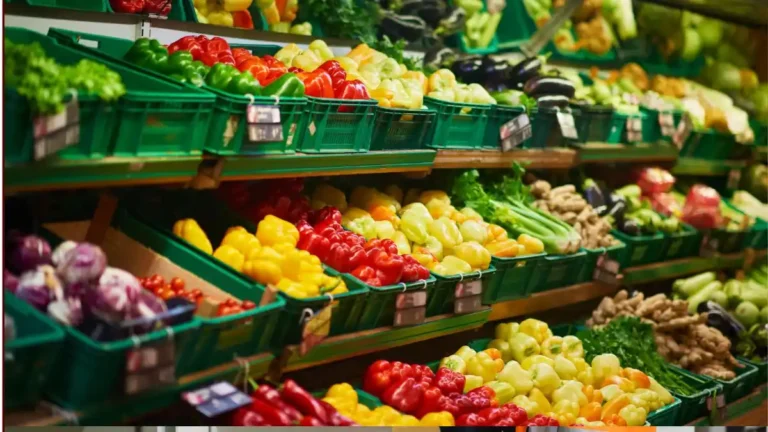

Lithuania’s fresh produce sector is becoming more strategically important inside the Baltic grocery supply chain. Supermarkets are pushing for:
- faster delivery cycles
- stronger regional sourcing
- tighter pricing control
Retailers across the Baltics are also pressing suppliers to improve cold-chain reliability, automation, packaging efficiency and year-round product availability. That shift is changing the competitive balance of Lithuania’s produce market.
Some companies now dominate import logistics through Klaipėda port infrastructure. Others are growing through greenhouse expansion, supermarket convenience processing or deep foodservice distribution networks.
The companies below are the strongest operational players shaping Lithuania’s fresh produce trade in 2026.
At a Glance
| Rank | Company | FY Revenue | Strategic Role |
|---|---|---|---|
| 1 | AUGMA | €40M–€60M | Pan-Baltic produce logistics |
| 2 | CITMA Group | €35M–€50M | Wholesale & HoReCa distribution |
| 3 | Baltic Fresh Fruit | €15M–€25M | Import and ripening specialist |
| 4 | Kauno Vaisių ir Daržovių Prekyba | €12M–€22M | Fresh processing & convenience supply |
| 5 | Kietaviškių Gausa | €10M–€18M | Greenhouse vegetable production |
1. AUGMA
- Founded: 1992
- Headquarters: Vilnius
- Estimated revenue: €40M–€60M
AUGMA has grown into one of the largest fruit and vegetable trading groups operating across the Baltic region.
Scale and reach
The company’s biggest strength is scale.
AUGMA operates more than 16,000 square metres of warehouse infrastructure. It manages extensive import programmes covering:
- Southern Europe
- Latin America
- Africa
- regional Baltic farming networks
Its operations stretch beyond Lithuania into wider Baltic and Scandinavian retail distribution.
Why it matters to supermarket buyers
The business has become especially important to supermarket supply chains because of its integrated logistics structure. Automated packaging systems, ripening facilities and EDI-linked retail distribution let it move high volumes with relatively strong efficiency.
AUGMA is also heavily exposed to supermarket fresh categories where pricing pressure remains intense. These include tomatoes, berries, bananas, avocados and packaged convenience produce.
In Lithuania’s retail environment, companies with logistics density and reliable supply are gaining influence faster than smaller trading firms. AUGMA sits directly in that trend.
2. CITMA Group
- Estimated revenue: €35M–€50M
- Strategic role: Wholesale & HoReCa distribution
CITMA Group has built one of the broadest regional produce distribution networks in Lithuania.
How it operates
Some competitors focus mainly on supermarket retail. CITMA, by contrast, operates across both grocery and HoReCa channels.
Its subsidiaries cover Vilnius, Kaunas, Klaipėda and Panevėžys. This gives the group strong reach across the country.
That decentralised structure matters.
Lithuania’s produce sector still relies heavily on regional delivery efficiency. This is especially true for restaurants, schools, hospitals and local catering operations that need daily replenishment. CITMA’s model allows faster local distribution than many centralised operators.
Why it matters to supermarket buyers
The group also benefits from diversification.
Supermarkets remain a major revenue source. Foodservice distribution adds stability during periods of retail pricing pressure or seasonal demand swings.
For Lithuanian retailers, companies like CITMA are becoming more valuable because they reduce complexity across fragmented supply networks.
3. Baltic Fresh Fruit
- Estimated revenue: €15M–€25M
- Strategic role: Import and ripening specialist
Baltic Fresh Fruit has become one of Lithuania’s most strategically important imported produce specialists.
Key facilities
The company operates a large temperature-controlled warehouse in Klaipėda. It also runs a major distribution facility in Vilnius equipped with banana ripening systems.
Its competitive position comes from logistics timing.
Klaipėda remains one of the Baltic region’s key sea entry points for imported produce. Companies with direct access to customs handling, cold storage and rapid inland distribution hold a major advantage with perishable imports.
What it supplies
Baltic Fresh Fruit focuses heavily on citrus, bananas and exotic fruits sourced from more than 30 countries.
That import specialism is increasingly important. Lithuanian supermarkets are expanding premium fruit ranges while keeping prices sharp against discount chains.
The company’s role in the wider Lithuania supermarket supply system continues to strengthen as retailers prioritise stable year-round availability.
4. Kauno Vaisių ir Daržovių Prekyba
- Estimated revenue: €12M–€22M
- Location: Kaunas region
Kauno Vaisių ir Daržovių Prekyba plays a different role from the larger import-focused distributors.
The company’s strength lies in value-added processing.
What it supplies
Operating from the Kaunas region, the business specialises in convenience-focused supply for retailers and institutional catering. Its range includes:
- pre-washed vegetables
- sliced produce
- salad preparation
- vacuum-packed formats
That category is growing steadily.
Across European grocery retail, supermarkets are expanding fresh convenience ranges. Consumers increasingly buy ready-to-cook and ready-to-use produce formats.
Lithuania is following the same pattern.
Why it matters to supermarket buyers
Retailers want suppliers that combine food safety compliance, fast processing turnaround and flexible packaging. Kauno Vaisių ir Daržovių Prekyba sits directly in that operational niche.
Its location near Lithuania’s logistical centre also supports rapid same-day distribution nationwide.
5. Kietaviškių Gausa
- Estimated revenue: €10M–€18M
- Location: near Elektrėnai, between Vilnius and Kaunas
Kietaviškių Gausa is one of the strongest domestic agriculture stories in Lithuania’s produce industry.
What it grows
The company operates a highly modern greenhouse complex near Elektrėnai. It is widely recognised as the Baltic region’s largest greenhouse vegetable producer.
Its operations focus mainly on tomatoes, cucumbers and salad crops.
Why it matters to supermarket buyers
Unlike import-driven competitors, Kietaviškių Gausa benefits from growing retailer demand for locally produced vegetables. Lithuanian supermarkets increasingly use domestic sourcing for freshness. They also use it to keep prices stable during import disruptions.
The company has invested heavily in artificial lighting, climate controls and year-round greenhouse production designed for Baltic winters.
Energy costs remain one of the sector’s biggest risks, particularly for greenhouse operators. Still, local production capacity is becoming more valuable as European retailers seek shorter and more resilient supply chains.
Why Lithuania’s Produce Sector Matters More in 2026
Lithuania is becoming increasingly important as a regional logistics gateway. It links Northern Europe, the Baltics and Eastern European food distribution routes.
Several structural trends are helping reshape the market:
- supermarket private label expansion
- stronger regional sourcing programmes
- growth in fresh convenience foods
- higher cold-chain investment
- pressure for faster stock turnover
Discount retail competition is also intensifying.
That creates constant margin pressure across fresh produce categories. Suppliers are forced to improve operational efficiency rather than rely only on volume growth.
At the same time, retailers want fewer but larger supply partners. These partners must handle logistics, packaging, traceability and compliance at scale.
That trend favours companies with deep infrastructure and nationwide delivery capabilities.
Frequently Asked Questions
Which is the largest fresh produce company in Lithuania?
AUGMA ranks first, with estimated revenue of €40M–€60M. Founded in 1992 in Vilnius, it operates more than 16,000 square metres of warehouse infrastructure.
Why is Klaipėda important for Lithuania’s produce trade?
Klaipėda is one of the Baltic region’s key sea entry points for imported produce. Companies with cold storage and customs access there, such as Baltic Fresh Fruit, gain a major advantage with perishable imports.
Who is the Baltic region’s largest greenhouse vegetable producer?
Kietaviškių Gausa is widely recognised as the Baltic region’s largest greenhouse vegetable producer. Its complex near Elektrėnai grows mainly tomatoes, cucumbers and salad crops.
What Happens Next
Lithuania’s fresh produce sector is expected to become more focused on technology and logistics over the next few years. Retailers continue to tighten supply-chain efficiency across the Baltics.
As competition intensifies across the Lithuania supermarket sector, supermarkets are likely to invest more in:
- centralised distribution
- refrigeration systems
- stock forecasting
- faster replenishment operations
Fresh convenience categories may also keep growing. Retailers are expanding ready-to-cook and prepared produce lines to improve margins and reduce food waste.
Import infrastructure will remain strategically important, particularly around Klaipėda’s port logistics network. It continues to play a major role in Baltic produce distribution.
At the same time, domestic greenhouse growing could become more valuable. Retailers are looking for stable regional sourcing and shorter supply chains during periods of European market volatility.
Pressure is also expected to increase across the Lithuania private label sector. There, supermarkets are demanding lower-cost produce sourcing while still maintaining quality, traceability and year-round availability.
The companies most likely to strengthen their positions will probably balance pricing discipline, cold-chain investment, operational efficiency and retail delivery reliability. They will do so across the wider Lithuania FMCG supply network.
Editor’s Note: This article is based on company operational data, Baltic produce trade analysis, industry infrastructure information, and publicly available commercial reporting from Lithuania’s fresh produce sector in 2025–2026. Revenue figures are industry estimates intended for editorial and market-analysis purposes.