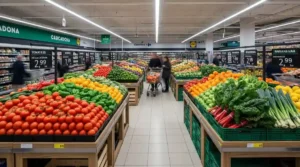

Switzerland has built one of the world’s strongest reputations for premium food production, quality assurance, and consumer trust.
The country is home to globally recognised dairy products, chocolate, coffee, beverages, processed foods, and organic agriculture. Swiss consumers are known for demanding high standards in food safety, sustainability, traceability, and product origin.
For suppliers looking to enter the Swiss market, food certification has become far more than a compliance exercise. It is an important indicator of quality, credibility, and market readiness.
Unlike many countries, Switzerland combines internationally recognised food safety standards with highly respected local schemes such as Bio Suisse, creating one of Europe’s most demanding food certification environments.
This guide examines the top certifications used in Switzerland and the organisations behind them.
How Switzerland Differs From Other European Markets
Every country has its own food safety priorities.
Germany relies heavily on IFS and retailer audits. Spain focuses strongly on fresh produce and GlobalG.A.P. Austria places major emphasis on quality assurance and organic production.
Switzerland follows a different path.
The country’s food industry is heavily influenced by:
- premium food quality
- organic production
- sustainability
- product origin
- consumer trust
- export reputation
- traceability
Swiss retailers and consumers expect exceptionally high standards, making certification a vital requirement for many suppliers.
Quick Comparison: Food Certifications in Switzerland
| Certification | Swiss Supermarkets | Export Markets | Quality Value |
|---|---|---|---|
| IFS Food | Very High | High | Very High |
| BRCGS | High | High | High |
| FSSC 22000 | High | High | High |
| ISO 22000 | Medium | High | Medium |
| HACCP | Essential | Essential | Essential |
| GlobalG.A.P. | High | High | High |
| Bio Suisse | Very High | Medium | Very High |
| EU Organic Certification | High | High | High |
| Halal Certification | Growing | Medium | Medium |
| Kosher Certification | Niche | Medium | Medium |
At a Glance: Top 10 Food Safety Certifications in Switzerland
| Rank | Certification | Organisation | Sector |
|---|---|---|---|
| 1 | IFS Food | IFS Management GmbH | Food safety standards |
| 2 | BRCGS | BRCGS | Food safety and supply chain standards |
| 3 | FSSC 22000 | Foundation FSSC | Food safety certification |
| 4 | ISO 22000 | International Organization for Standardization (ISO) | International standards |
| 5 | HACCP | Codex Alimentarius Commission | Food safety management |
| 6 | GlobalG.A.P. | FoodPLUS GmbH | Agricultural standards |
| 7 | Bio Suisse | Bio Suisse | Organic agriculture |
| 8 | EU Organic Certification | European Union | Organic food regulation |
| 9 | Halal Certification | Accredited Halal certification bodies | Religious food certification |
| 10 | Kosher Certification | Accredited Kosher certification bodies | Religious food certification |
1. IFS Food
| Detail | Information |
|---|---|
| Organisation | IFS Management GmbH |
| Headquarters | Berlin, Germany |
| Founded | 2003 |
| Sector | Food safety and product standards |
| Global Presence | International |
| Employees | Not publicly disclosed |
| Revenue | Not publicly disclosed |
IFS Food remains one of the most recognised food safety standards among European retailers and manufacturers. It focuses on food safety, quality management, traceability, and supplier accountability.
2. BRCGS
| Detail | Information |
|---|---|
| Organisation | BRCGS |
| Headquarters | London, United Kingdom |
| Founded | 1996 |
| Sector | Food safety and supply chain standards |
| Global Presence | Used in more than 130 countries |
| Employees | Not publicly disclosed |
| Revenue | Not publicly disclosed |
BRCGS is widely used by manufacturers supplying international retailers and export markets. The standard covers food safety, operational controls, and supplier verification.
3. FSSC 22000
| Detail | Information |
|---|---|
| Organisation | Foundation FSSC |
| Headquarters | Wageningen, Netherlands |
| Founded | 2009 |
| Sector | Food safety certification schemes |
| Global Presence | International |
| Employees | Not publicly disclosed |
| Revenue | Not publicly disclosed |
FSSC 22000 is recognised by the Global Food Safety Initiative (GFSI) and is particularly popular among large food manufacturers and multinational companies.
4. ISO 22000
| Detail | Information |
|---|---|
| Organisation | International Organization for Standardization (ISO) |
| Headquarters | Geneva, Switzerland |
| Founded | 1947 |
| Sector | International standards development |
| Global Presence | More than 170 national standards bodies |
| Employees | Information not publicly disclosed |
| Revenue | Information not publicly disclosed |
ISO 22000 provides a globally recognised framework for food safety management systems and is used across the food supply chain.
5. HACCP
| Detail | Information |
|---|---|
| Organisation | Codex Alimentarius Commission |
| Headquarters | Rome, Italy |
| Founded | 1963 |
| Sector | International food standards and guidance |
| Global Presence | Worldwide |
| Employees | Not applicable |
| Revenue | Not applicable |
HACCP forms the foundation of food safety management by identifying and controlling potential hazards throughout food production processes.
6. GlobalG.A.P.
| Detail | Information |
|---|---|
| Organisation | FoodPLUS GmbH |
| Headquarters | Cologne, Germany |
| Founded | 1997 |
| Sector | Agricultural standards and farm assurance |
| Global Presence | Active in more than 135 countries |
| Employees | Not publicly disclosed |
| Revenue | Not publicly disclosed |
GlobalG.A.P. plays an important role in Switzerland’s agricultural supply chain, particularly for fruit, vegetables, and fresh produce.
The standard focuses on:
- food safety
- traceability
- environmental management
- worker welfare
- responsible farming practices
For many growers supplying retailers, GlobalG.A.P. helps demonstrate compliance with internationally recognised agricultural standards.
7. Bio Suisse
| Detail | Information |
|---|---|
| Organisation | Bio Suisse |
| Headquarters | Basel, Switzerland |
| Founded | 1981 |
| Sector | Organic agriculture and food certification |
| Global Presence | Switzerland and international supplier network |
| Employees | Information not publicly disclosed |
| Revenue | Information not publicly disclosed |
Bio Suisse is one of Switzerland’s best-known and most respected food labels.
The organisation represents Swiss organic agriculture and operates the well-known “Bud” label, which is widely recognised by consumers.
Bio Suisse standards often go beyond minimum organic requirements and place strong emphasis on:
- sustainability
- biodiversity
- animal welfare
- environmental protection
- responsible farming
Why Bio Suisse Matters in Switzerland
Few food labels enjoy the level of trust associated with Bio Suisse.
For organic suppliers, certification can provide a significant advantage in one of Europe’s most developed organic food markets.
8. EU Organic Certification
| Detail | Information |
|---|---|
| Organisation | European Union |
| Headquarters | Brussels, Belgium |
| Founded | Current EU organic framework implemented through successive regulations |
| Sector | Organic food regulation |
| Global Presence | European Union and recognised third countries |
| Employees | Not applicable |
| Revenue | Not applicable |
EU Organic Certification provides the legal framework for producing and marketing organic food throughout the European Union.
The certification supports:
- organic production
- traceability
- consumer confidence
- international trade
For Swiss exporters supplying European markets, compliance with recognised organic standards remains important.
9. Halal Certification
| Detail | Information |
|---|---|
| Organisation | Various accredited certification bodies |
| Headquarters | Multiple countries |
| Sector | Religious food certification |
| Global Presence | Worldwide |
| Employees | Varies by organisation |
| Revenue | Varies by organisation |
Halal certification is becoming increasingly important for food businesses serving specialist markets.
The certification is particularly relevant for:
- meat processors
- prepared food manufacturers
- dairy companies
- export-oriented suppliers
Why Halal Certification Matters in Switzerland
For companies targeting international markets, halal certification can support access to customers across the Middle East, North Africa, Asia, and Muslim consumer markets in Europe.
10. Kosher Certification
| Detail | Information |
|---|---|
| Organisation | Various accredited certification bodies |
| Headquarters | Multiple countries |
| Sector | Religious food certification |
| Global Presence | Worldwide |
| Employees | Varies by organisation |
| Revenue | Varies by organisation |
Kosher certification remains a specialist but commercially valuable certification for some food manufacturers.
It is commonly used by:
- ingredient suppliers
- confectionery producers
- beverage manufacturers
- export-oriented businesses
Why Kosher Certification Matters in Switzerland
For companies serving niche and international markets, kosher certification can provide additional opportunities while demonstrating strong ingredient control and traceability.
Switzerland’s Most Certification-Driven Food Sectors
Dairy Products
Switzerland is internationally recognised for its cheese and dairy products.
Certification supports:
- food safety
- quality assurance
- export readiness
- traceability
Chocolate and Confectionery
The Swiss chocolate industry is one of the country’s most famous sectors. Manufacturers rely on recognised standards to support quality management and international trade.
Organic Food
Switzerland is one of Europe’s leading organic food markets. Consumer demand for certified organic products continues to support market growth.
Beverage Production
Coffee, mineral water, and beverage manufacturers increasingly rely on recognised certification programmes to support quality and export activities.
Fresh Produce
Fresh produce suppliers use certification to demonstrate responsible farming practices and supply-chain transparency.
Recommended Certification Path by Supplier Type
| Supplier Type | Primary Certification Priorities |
|---|---|
| Dairy Producer | IFS Food, FSSC 22000 |
| Chocolate Manufacturer | IFS Food, BRCGS |
| Organic Producer | Bio Suisse, EU Organic Certification |
| Fresh Produce Grower | GlobalG.A.P. |
| Export-Oriented Manufacturer | BRCGS, IFS Food |
| Ingredient Supplier | ISO 22000, FSSC 22000 |
| Agricultural Producer | GlobalG.A.P., Bio Suisse |
FAQ
What is the most important food certification in Switzerland?
IFS Food and Bio Suisse are among the most influential certifications depending on the sector and target market.
What is Bio Suisse?
Bio Suisse is Switzerland’s leading organic farming organisation and operator of the well-known “Bud” organic label.
Is HACCP enough for Swiss supermarkets?
Generally, no.
While HACCP forms the foundation of food safety management, many suppliers also maintain recognised third-party certifications.
Why is organic certification so important in Switzerland?
Swiss consumers place a strong emphasis on sustainability, environmental protection, and high-quality food production.
What certifications do Swiss dairy suppliers commonly use?
Many dairy suppliers use:
- IFS Food
- FSSC 22000
- HACCP
depending on customer requirements and export markets.
What Happens Next for Swiss Supermarket Certification?
Swiss supermarket supplier requirements are expected to become increasingly linked to sustainability, transparency, animal welfare, and digital traceability.
Retailers and consumers are likely to place greater emphasis on:
- food safety culture
- responsible sourcing
- packaging sustainability
- biodiversity
- animal welfare
- supplier transparency
- operational consistency
The Swiss supermarket sector is expected to continue focusing on premium quality and sustainability standards.
Growth across the Swiss FMCG sector is likely to increase demand for internationally recognised certifications that support both domestic retail distribution and export opportunities.
The Swiss private label market is expected to create further opportunities for manufacturers capable of demonstrating strong food safety performance and high-quality production standards.
Switzerland’s dairy, chocolate, organic food, beverage, and fresh produce sectors are likely to remain among the country’s most certification-intensive industries.
For suppliers serving Swiss retailers and export markets worldwide, certification is becoming more than a compliance requirement.
It is increasingly becoming a long-term indicator of trust, quality, sustainability, and supplier credibility across Switzerland’s food industry.
Editor’s Note: Information for this article was compiled from publicly available resources published by Bio Suisse, IFS Management GmbH, BRCGS, Foundation FSSC, the International Organization for Standardization (ISO), GLOBALG.A.P., the European Union’s organic regulations, the Codex Alimentarius Commission, and other food safety and certification organisations. Company and organisational information reflects publicly available data at the time of publication.