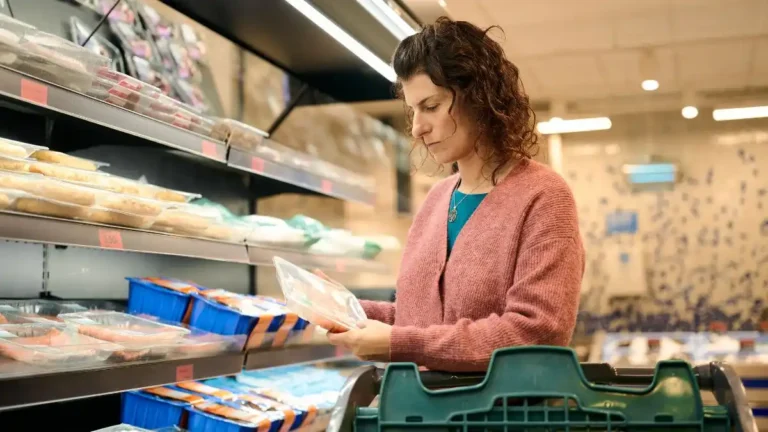

UK food inflation slowed sharply in May, with prices for food and non-alcoholic beverages rising by 2.2% year on year, down from 3.0% in April and marking the lowest annual rate since December 2024, according to the latest figures from the UK’s Office for National Statistics (ONS). The slowdown could provide some relief for consumers and create a more stable trading environment for supermarkets and food suppliers.
At A Glance
| Key Fact | Details |
|---|---|
| UK food inflation | 2.2% in May 2026 |
| Previous month | 3.0% in April 2026 |
| Lowest level since | December 2024 |
| Monthly food price movement | -0.1% |
| Categories driving the slowdown | Meat, dairy, vegetables and fish |
| UK CPI inflation | 2.8% |
| Next inflation release | 22 July 2026 |
Grocery Price Pressures Continue To Ease
Food and non-alcoholic beverage prices increased by 2.2% in the 12 months to May, down from 3.0% in April. On a monthly basis, food prices fell by 0.1%, compared with a 0.7% increase in May 2025. The decline means grocery inflation is now at its lowest level in almost a year and a half.
The ONS said lower inflation in several major food categories contributed to the slowdown, including:
- Meat, particularly beef and cooked ham.
- Dairy products, especially cheese.
- Vegetables.
- Fish.
The only significant upward pressure within food came from oils and fats.
UK Inflation Snapshot
| Category | April 2026 | May 2026 |
|---|---|---|
| CPI Inflation | 2.8% | 2.8% |
| CPIH Inflation | 3.0% | 3.0% |
| Food & Non-Alcoholic Beverages | 3.0% | 2.2% |
| All Goods Inflation | 2.4% | 2.0% |
| Transport Inflation | 4.5% | 6.8% |
Source: Office for National Statistics.
What Does It Mean For Supermarkets?
The moderation in food inflation could help ease pressure on household grocery budgets and support consumer demand across UK supermarkets.
For retailers, lower inflation generally means:
- More stable pricing conditions.
- Reduced pressure from supplier cost increases.
- Greater opportunities for promotional activity.
- Improved sales volumes after a prolonged period of price-led growth.
During the recent inflationary cycle, many shoppers switched to private-label products and discount retailers to manage higher food costs. A slower pace of grocery inflation could encourage consumers to spend more freely across categories while still remaining price-conscious.
The figures may also support supermarket efforts to rebuild volumes rather than relying primarily on higher prices to drive sales growth.
Transport Costs Remain A Risk For The Food Supply Chain
Although grocery inflation eased, broader cost pressures have not disappeared.
Transport inflation rose sharply to 6.8% in May, up from 4.5% in April and reaching its highest level since December 2022. The increase was driven by higher air fares, motor fuel prices and sea fares.
The average petrol price rose to 157.4 pence per litre in May, the highest level since November 2022, while motor fuel prices were 24.6% higher than a year earlier.
For supermarkets and food manufacturers, transport costs remain an important factor because higher fuel expenses can increase:
- Distribution costs.
- Supplier logistics expenses.
- Import costs for food and ingredients.
- Overall supply chain costs.
Any sustained increase in transport costs could eventually feed back into grocery prices later in the year.
ONS Introduces Supermarket Scanner Data
The May inflation report also highlights a major change in the way the ONS measures grocery prices.
Since February 2026, the agency has been using supermarket scanner data covering approximately 50% of the UK’s grocery market. Instead of collecting around 25,000 individual prices each month, the ONS now analyses around 300 million price points generated from more than one billion product purchases made through supermarket checkouts and online transactions.
The change is expected to provide a more detailed and accurate picture of price movements across the grocery sector and improve the measurement of food inflation.
Food Inflation Trend
| Measure | May 2025 | April 2026 | May 2026 |
|---|---|---|---|
| Food & Non-Alcoholic Beverage Inflation | 3.0% | 3.0% | 2.2% |
| Monthly Food Price Movement | +0.7% | — | -0.1% |
Source: Office for National Statistics.
Industry Context
Food inflation was one of the biggest drivers of the UK’s cost-of-living crisis in recent years, forcing households to cut spending and shift towards value products and promotions.
The latest figures suggest that inflationary pressures in grocery are continuing to moderate. However, supermarkets remain exposed to risks from transport costs, geopolitical tensions affecting energy markets and ongoing supply chain disruptions.
What Happens Next?
The next UK inflation data will be released on 22 July 2026 and will be closely watched by supermarkets, FMCG suppliers and food producers to determine whether the slowdown in food inflation is becoming a longer-term trend.
If food price growth continues to ease, retailers could benefit from stronger consumer confidence and a more stable pricing environment during the second half of 2026.