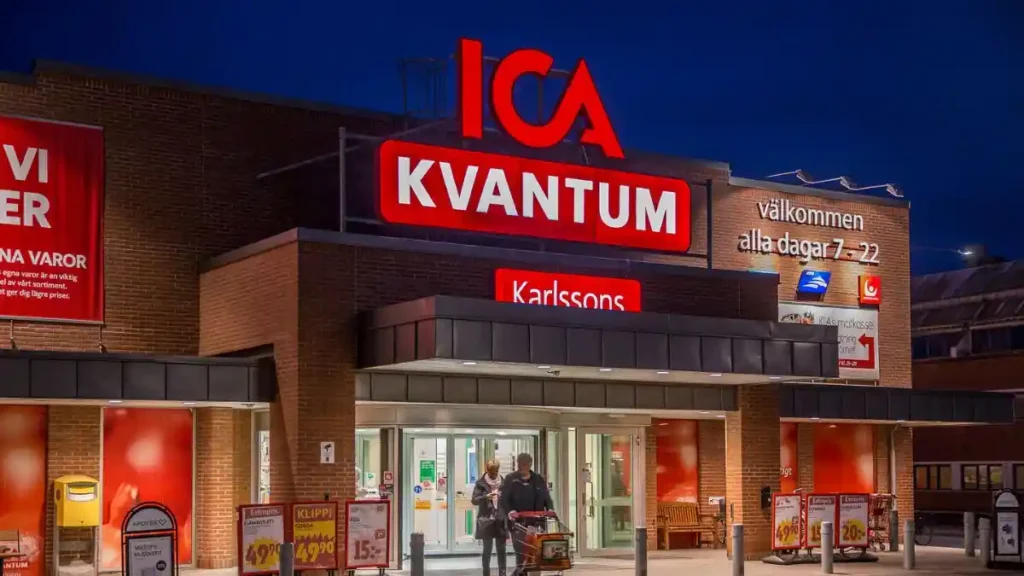


Denmark’s retail sector is undergoing a structural shift. Fewer physical stores are operating nationwide, but employment in retail continues to rise. The result is a market where larger store formats now employ more staff per location.
New retail data covering the past decade shows a steady decline in the total number of shops across most Danish municipalities. Since 2014, store numbers have fallen in almost the entire country. In ten municipalities, at least 20% of retail outlets have disappeared. Only eleven municipalities recorded any increase, and growth there remained limited.
Despite this contraction in store count, retail employment has moved in the opposite direction. Job numbers in the sector have increased since 2014, with two-thirds of municipalities reporting higher retail employment levels.
Areas such as Brøndby, Hedensted and Skanderborg have posted some of the strongest gains in retail jobs. At the same time, municipalities including Lyngby-Taarbæk, Ishøj and Nyborg have seen workforce declines, highlighting uneven regional development.
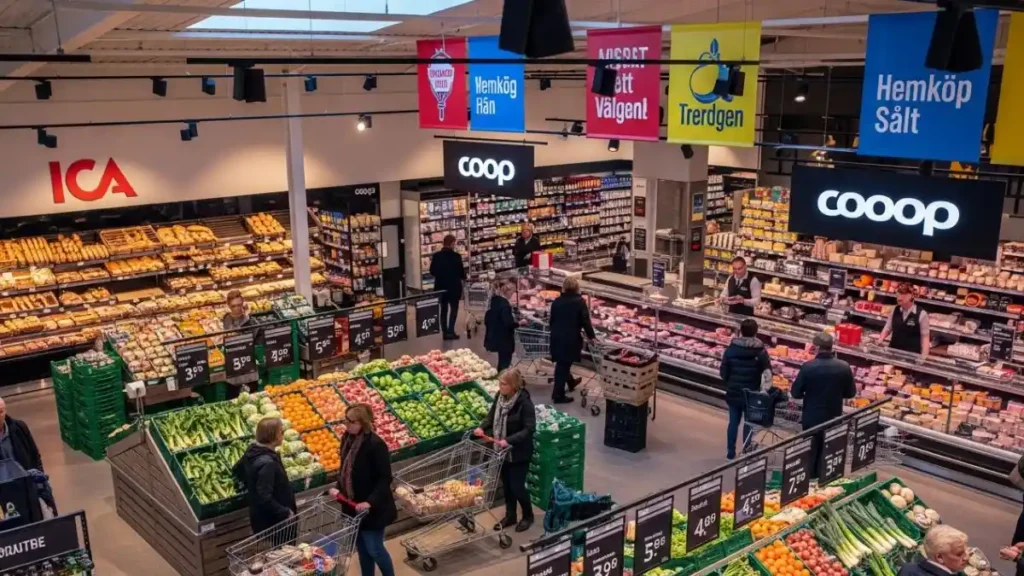
The combined trend points to consolidation. Fewer outlets now handle higher sales volumes and operational activity. Average staff numbers per store have risen significantly, reflecting the expansion of larger retail units and multi-department supermarket formats.
This pattern is visible across most of the country. Only a small number of municipalities reported shrinking store sizes based on employee numbers. In the majority of locations, retail footprints are becoming more concentrated into high-capacity sites.
Why It Matters
For the Denmark Supermarket sector, this shift signals continued pressure on smaller independent stores while favouring large-format operators with the scale to manage higher staffing, logistics integration and broader in-store services.
The trend also affects suppliers, property developers and logistics providers, as distribution increasingly flows through fewer but more complex retail hubs.
Labour planning is another key impact. Larger stores typically require more specialised staff, extended operating hours and higher service capacity, particularly in fresh food, fulfilment and convenience-focused formats.
What Happens Next
With consolidation continuing across European grocery markets, Denmark’s retail structure is likely to keep moving toward fewer locations with higher operational intensity. Further investment in large-format stores and regional retail hubs is expected as chains optimise networks and respond to changing consumer demand.
Editor’s Note: Based on Danish retail data published in February 2025. Local results may vary by municipality.