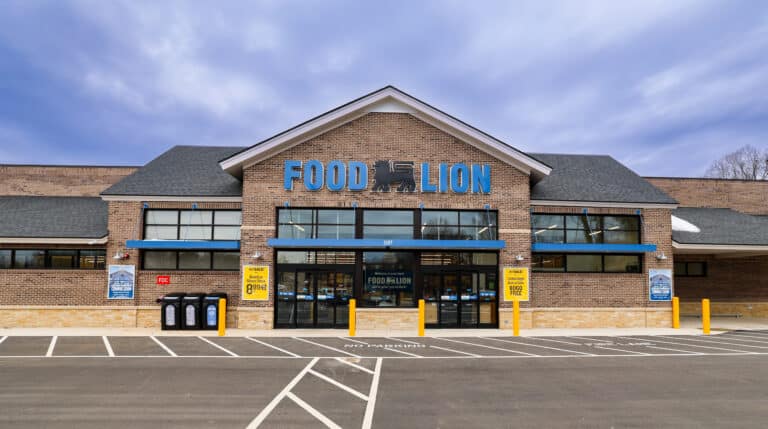

Food Lion announced on 4 November 2026 that it had invested more than $270 million across 94 stores in Greater Greensboro and North Carolina’s Triad region. The programme combines store improvements with two new supermarkets opened earlier in the year, making it a significant regional investment rather than simply a fresh pledge of future spending.
The Ahold Delhaize USA grocery banner marked the investment with reopening celebrations on 4 November. Changes are designed to improve fresh-food shopping, convenience and store operations while extending access to online ordering, pickup and home delivery.
Food Lion said the enhanced locations offer more ready-to-eat, ready-to-cook and ready-to-heat meal options, fresh produce, meat and products for organic, gluten-free and plant-based diets. Those ranges affect supplier opportunities in perishable food, prepared meals and own-label categories, but the company has not announced specific new supply contracts as part of the investment.
Nearly all of the stores are adding self-checkout lanes, alongside conventional staffed checkouts. The retailer is also using LED lighting and refrigerated cases with doors to reduce energy consumption and support the upgraded fresh and chilled departments.
The retailer’s Nature’s Promise brand remains part of the proposition, while its Local Goodness programme features products from regional growers and manufacturers. For smaller food producers, the relevant question is whether they can meet the chain’s delivery, food-safety, traceability and volume requirements as well as offer a product suited to local consumers.
Food Lion said it had listened to feedback from shoppers and employees before implementing the changes. President Greg Finchum linked the investment to fresh food, value, convenience and staff development, reflecting the chain’s emphasis on routine grocery shopping rather than higher-priced speciality retailing.
The scale is worth putting in context. Dividing $270 million by 94 stores produces roughly $2.9 million per location, but this is only an arithmetic average and should not be reported as the actual renovation budget for any individual store. The investment also includes the two new openings, which makes a store-by-store comparison particularly misleading.
Food Lion operates more than 1,100 stores across 10 Southeastern and Mid-Atlantic states and employs over 82,000 associates. The Greensboro investment is therefore a regional upgrade within an established network rather than a chain-wide refurbishment.
The company also announced $375,000 in Food Lion Feeds support for three local organisations, including Phillips Community Market, Boys & Girls Clubs of the Greater Triad and Backpack Beginnings. That sum is separate from the $270 million retail investment. The retailer said it had donated over 10 million pounds of food through local food-rescue arrangements since 2025.
For supermarket buyers and service providers, the upgrades offer a clear illustration of where established grocers are spending: fresh assortment, meal solutions, digital checkout, cold-chain equipment and store efficiency. The effectiveness of those investments will depend on product availability, store execution and customer use, not simply the number of refurbished locations.
Food Lion is part of Ahold Delhaize, whose latest quarterly results GTN reported. The group’s financial and operational context is important when evaluating investment across individual banners.
The next stage is for Food Lion to demonstrate whether the renovated stores improve shopping frequency, fresh-category sales and service standards as the retailer enters the holiday trading period.
Editor’s Note: Based on Food Lion’s official 4 November 2026 announcement and independent trade coverage. GTN’s analysis focuses on supermarket procurement and distinguishes completed investment from new openings and charitable contributions.