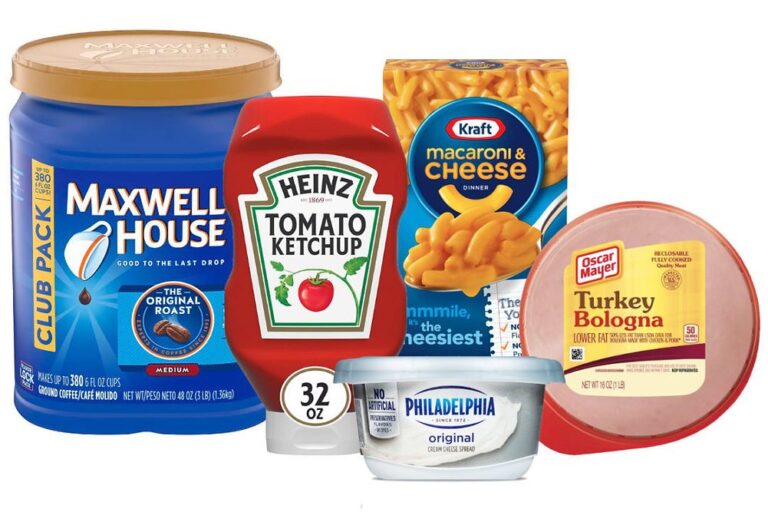

Kraft Heinz agreed on 4 November 2026 to sell its North American coffee business to an affiliate of One Rock Capital Partners in a transaction valuing the operation at $650 million. The company will retain a 30% non-controlling equity stake, leaving a financial interest in a business it will no longer control.
The proposed sale covers Maxwell House, Gevalia, Nabob, Yuban, Tassimo, Ethical Bean and Sanka. Completion is expected in mid-2027, subject to regulatory clearance and customary conditions. Until the deal closes, supermarket buyers should not treat the brands as having already changed ownership.
The disposal is part of chief executive Steve Cahillane’s effort to direct Kraft Heinz investment toward businesses the group believes offer better growth and returns. According to the company’s accompanying investor presentation, it expects approximately $500 million in net proceeds after tax, which it plans to use to reduce debt.
For North American supermarkets, the brands involved cover different consumer needs: established mainstream ground coffee, premium-positioned products, single-serve systems and decaffeinated choices. Changing ownership need not immediately change product availability, but it could eventually influence promotional budgets, innovation, retail negotiations and manufacturing strategy.
Those potential effects are not announced deal terms. Kraft Heinz and One Rock have not published a new retailer price list, distribution agreement or future production plan. Buyers and distributors should continue using their current contractual contacts until the companies communicate formal changes.
The deal also lands against weak trading in parts of Kraft Heinz’s portfolio. Its third-quarter net sales slipped approximately 2% to $6.12 billion. Independent reporting says the coffee unit represents about 3% of group sales and carries comparatively lower margins. The group has been increasing investment in marketing and innovation while reshaping its commercial priorities.
For retailers, the most practical issue is continuity. Coffee requires reliable supply, consistent blend and roast characteristics, accurate pack sizes and clear coordination of seasonal promotions. Own-label coffee suppliers also need to watch the competitive response if the new owner decides to invest more heavily in these established names.
The transaction should not be described as a complete exit from coffee. Kraft Heinz’s retained 30% holding means it will remain exposed to the unit’s future performance without holding a controlling interest.
There is also an important distinction between enterprise value and cash received. The $650 million figure values the business in the transaction; it is not the amount Kraft Heinz expects to receive after taxes and other effects.
Kraft Heinz’s wider effort to reshape its portfolio follows previous changes in leadership and consumer-brand strategy. GTN has tracked the company through its chief executive appointment and brand partnership activity.
Next steps include regulatory review, completion planning and communication with manufacturing partners and retailers ahead of the targeted mid-2027 closing date.
Editor’s Note: Based on Kraft Heinz’s 4 November 2026 transaction announcement and investor presentation, with independent reporting on the group’s trading context. GTN distinguishes announced deal terms from possible retail and supply-chain consequences.