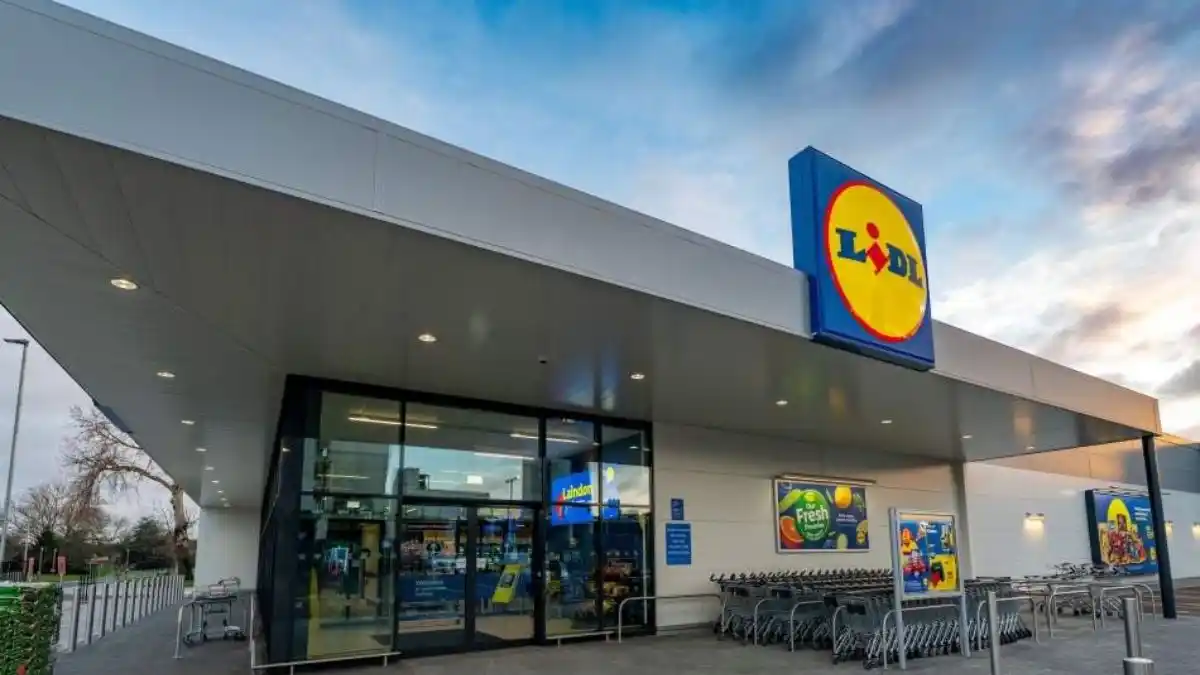

Lidl GB will open more than 50 new stores across Great Britain over the next 12 months, backed by a £600 million investment aimed at expanding its footprint, strengthening logistics, and accelerating growth in the highly competitive UK grocery market. The rollout is expected to create nearly 2,000 jobs and increase access to low-cost food across key regions.
What is Lidl’s UK expansion strategy?
Lidl’s UK expansion strategy is a large-scale investment programme focused on opening new supermarkets, scaling logistics infrastructure, and increasing domestic sourcing. The goal is to grow market share in the UK grocery sector by improving store accessibility, maintaining price leadership, and supporting long-term supply chain stability.
At a glance
- Lidl GB plans to open more than 50 new UK stores by 2027
- £600 million investment committed to expansion
- Around 2,000 new jobs expected across Great Britain
- New locations include Abbots Langley, Warrington, and Thornbury
- Leeds distribution centre scheduled to open next year
- Expansion planned at Belvedere logistics site in London
- Around two-thirds of Lidl GB products sourced from UK suppliers
Where will the new Lidl stores open?
Initial store openings are confirmed in Abbots Langley near Watford, Warrington in Cheshire, and Thornbury in Gloucestershire, with launches beginning in summer 2026. Lidl GB is actively securing additional sites nationwide, targeting both urban and regional locations to increase store density and improve access for UK grocery shoppers.
How is Lidl expanding its logistics network?
Alongside store growth, Lidl is investing heavily in distribution capacity. A new warehouse in Leeds is under construction and expected to become operational in 2027, supporting northern expansion. In London, the retailer plans to extend and integrate its Belvedere facilities to improve delivery efficiency and handle higher volumes.
What does this mean for UK suppliers?
The expansion will increase shelf space and long-term supply opportunities for British producers. Lidl GB already sources around two-thirds of its products domestically, and further store growth is expected to strengthen supplier contracts, support production planning, and provide greater stability for UK agriculture and food manufacturing.
Why is Lidl expanding now?
Lidl’s expansion reflects continued growth in the discount segment of the UK grocery market, where consumers remain focused on value. Discounters have steadily gained share from traditional supermarkets in recent years, driven by pricing pressure and changing shopping habits, prompting Lidl to accelerate its physical store rollout.
How does this compare to the wider UK grocery market?
While many established supermarket groups are prioritising efficiency and online operations, Lidl continues to focus on store expansion as a core growth strategy. Increasing store density allows faster distribution, lower operating costs, and stronger local presence, helping discounters compete more effectively across the UK grocery landscape.
What happens next?
Lidl GB will continue acquiring sites and working with property partners to deliver its pipeline of new stores and logistics assets. Execution over the next 12 months will be critical, as store openings, infrastructure upgrades, and supplier expansion determine how quickly the investment converts into market share gains.
Editor’s Note: This article is based on official information released by Lidl GB covering its UK expansion plans, including store openings, investment, and logistics development. All figures and timelines reflect company projections at the time of publication.