
Packaging cost pressures have become one of the quietest margin threats in modern retail.
Shoppers see the final price on shelf. What they do not see is how much packaging now costs to design, approve, produce, move, and keep compliant. Across food, drink, household, and personal care, these costs keep rising. Slowly, unevenly, and often invisibly.
Retailers cannot pass most of this pressure on. Not without losing price credibility, volume, or range balance. So the cost stays inside the business.
Competitor coverage usually frames packaging through sustainability pledges or innovation stories. That matters, but it skips the commercial reality. The real issue is not just materials. It is compliance, operational drag, and constant change.
This is where packaging quietly eats margin.
Where Packaging Costs Actually Rise
Packaging costs do not rise in one clean line.
Material prices move first. Paperboard, plastics, aluminium, inks, coatings. These are tied to energy markets, logistics disruption, and global supply swings. Retailers feel this through frequent supplier price updates, often with limited notice.
But material cost is only the visible layer.
Every packaging update triggers secondary costs. Artwork changes. Regulatory checks. New print runs. System updates. Warehouse handling adjustments. Shelf-plan revisions. None of these add consumer value, but all of them cost money.
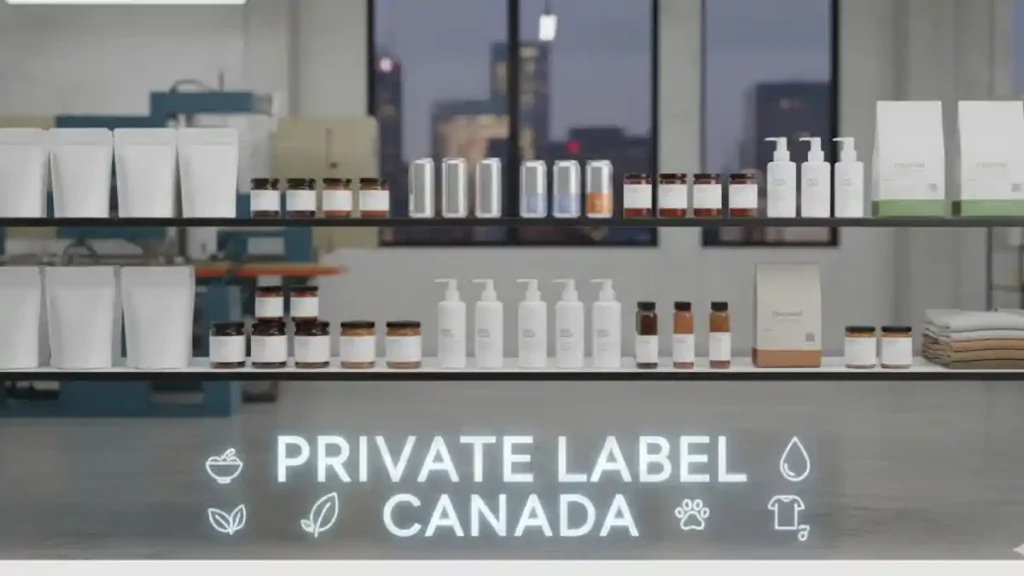
In private label, retailers carry the full weight of this. There is no brand owner to absorb part of the impact.
Compliance Costs Retailers Cannot Avoid
Compliance has become one of the heaviest packaging cost drivers.
Packaging must meet detailed national and regional rules covering labelling, materials, recycling instructions, environmental claims, and waste reporting. These rules change regularly and differ by market.
For retailers operating across borders, one product often needs multiple packaging versions. Same product. Same recipe. Different language panels, symbols, disposal guidance, and legal text.
This is especially visible in markets with strict and slightly different packaging rules, such as Packaging in Belgium, Packaging in Switzerland, Netherlands Packaging, etc, where retailers often manage several compliant pack versions for the same item.
Each version means separate artwork files, approvals, minimum print volumes, and inventory tracking. Cost multiplies without increasing sales.
When regulations change, the cost spikes again. Old stock may need to be discounted or written off. New packaging must be rushed into production, often at higher unit cost and shorter lead times.
These are not optional expenses. They are the price of staying on shelf.
Why Price Increases Stop At The Shelf Edge
In theory, rising costs should push prices up. In practice, packaging costs often stop short of the shelf label.
Shoppers do not judge packaging complexity. They judge final price. Even small increases on core items can trigger switching, especially in private label ranges built on value and trust.
Retailers also manage strict price ladders. If a private label product becomes too expensive, it no longer plays its role versus entry-tier lines or branded alternatives. That breaks the logic of the range.
Promotions add another limit. Many products sit inside long-term promotional plans agreed months ahead. Packaging cost increases that arrive late cannot easily be recovered without rewriting those plans.
The result is simple. Retailers absorb the cost to protect price perception and volume.
Material Volatility Creates Planning Risk
Material volatility creates cost in another way. Uncertainty.
Retail planning runs on long cycles. Packaging materials do not. Suppliers may revise pricing quarterly, monthly, or faster during volatile periods.
Retailers then face hard choices. Accept higher costs. Redesign packaging. Or risk supply disruption.
Redesigning packaging sounds efficient. In reality, it triggers new testing, compliance checks, tooling changes, and operational adjustments. Savings often arrive late, if at all.
During the transition, unit costs rise and margins take the hit.
High-volume categories feel this most. A fraction of a cent per pack scales quickly across millions of units.
Operational Complexity Adds Hidden Pressure
Packaging also creates cost inside the retailer’s own operations.
Different pack formats affect pallet efficiency. Different materials affect damage rates. Slight dimensional changes can slow picking or reduce shelf density.
Small packaging tweaks can reduce efficiency without immediate visibility. A softer board leads to more crushed cases. A new film behaves differently on automated lines. A label shift slows quality checks.
Each issue adds labour, waste, or delay.
These operational costs rarely appear on invoices, but they show up clearly in margin performance.
Where Packaging Hurts Margins Most
Not all categories feel packaging pressure equally.
Fresh and chilled categories face high compliance demands and tight lead times. Changes move fast and cost more.
Household and personal care categories carry heavy regulatory and material complexity, especially around plastics and chemical labelling.
Private label ranges take the hardest hit. Retailers control the packaging, but they also carry the full risk. Brands may absorb packaging cost as marketing spend. Retailers cannot.
This is why packaging decisions increasingly involve buying, finance, and operations teams, not just sustainability or design.
Sustainability Still Costs Money
Sustainable packaging is often presented as cost-neutral over time. In reality, it usually raises short- and medium-term costs.
New materials are more expensive. Supply chains are less stable. Volumes are lower. Testing and certification add layers of cost. Environmental claims require careful validation to avoid compliance risk.
Retailers still move in this direction because regulation, reputation, and long-term strategy demand it. But the financial impact is real, and it is rarely passed on to shoppers.
This creates ongoing tension between sustainability targets and margin protection.
The Private label Packaging Challenge
Private label sits at the centre of packaging cost pressure.
Retailers rely on own-label ranges to control price and differentiate. But that control comes with responsibility. Every packaging decision feeds directly into the retailer’s P&L.
This explains the growing focus on standardisation, modular design, and longer artwork life cycles in private label packaging. Fewer variants mean fewer costs.
It also explains tighter internal governance. Slower change cycles. Fewer redesigns. More scrutiny before updates are approved.
These are not creative choices. They are commercial ones.
What Retailers Do Next
Retailers cannot remove packaging cost pressure, but they can manage it.
Many are simplifying ranges to reduce pack variants. Others align packaging decisions across categories instead of treating each product in isolation.
Longer-term supplier relationships help smooth material volatility. Earlier involvement of operations teams reduces downstream inefficiencies.
Most importantly, retailers are becoming more selective. Some packaging upgrades are worth the margin impact. Others are delayed or dropped.
This discipline now sits at the heart of modern retail operations.
Packaging may never be the cost shoppers talk about. But for retailers, it remains one of the hardest to escape.