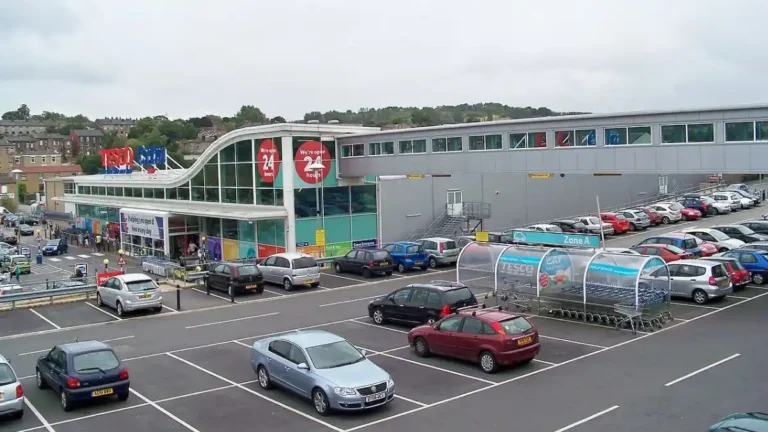

Tesco has committed £20 million to Henry Dimbleby’s Bramble Fund I, backing food businesses seeking to meet demand for healthier, more sustainable products while keeping costs commercially workable for supermarkets and suppliers.
Announced on 24 September, the investment makes Tesco an anchor investor in the fund, which is targeting £100 million. A new Tesco–Bramble Innovation Partnership will also give selected businesses opportunities to test and expand innovations across the retailer’s supply chain and operations.
The £100 million figure is a fundraising target, rather than capital already secured. Tesco’s commitment represents one-fifth of that ambition.
Dimbleby, the co-founder of restaurant chain Leon and author of the government-commissioned National Food Strategy, established Bramble Partners in 2024. The investment business focuses on companies across the food supply chain.
For suppliers, access to operational trials could be as important as the funding. Raising capital can finance development, but securing a retailer willing to test a product or process is a separate commercial hurdle.
Working within Tesco’s operations could help businesses establish whether their innovations perform under everyday conditions, including distribution handling, store replenishment and variable customer demand.
For category buyers, the practical question is whether a trial can deliver improvements without disrupting existing supply. A new material or process may require factory-line adjustments, so testing needs to protect production throughput, order fulfilment and on-shelf availability.
The arrangement does not amount to a guaranteed supermarket listing. Investment, operational trials and purchasing decisions remain different stages of bringing a product to market.
Bramble’s first investment is KluraLabs, a British technology business developing packaging designed to keep food fresh for longer. That investment was announced before today’s Tesco commitment.
For supermarket buyers, shelf-life improvements have potential value across several parts of the business. Longer-lasting products could reduce waste, give stores more selling time and make replenishment less sensitive to short-term changes in demand.
However, the commercial case depends on more than extending freshness. Buyers would need to assess packaging costs, product quality, food-contact suitability and compatibility with existing packing equipment.
A more expensive pack may still offer value if it reduces markdowns and write-offs sufficiently. That benefit needs to be demonstrated for the product and supply chain involved, rather than assumed from a general technology claim.
The investment also reflects how competition across the UK supermarket sector extends beyond shelf prices into the technologies and supplier capabilities supporting them.
Tesco already participates in W23 Global, the venture fund established with Ahold Delhaize, Woolworths Group, Canada’s Empire Company and South Africa’s Shoprite. Its commitment to that separate initiative was $25 million over five years.
The Bramble agreement adds a food-focused investment relationship, connecting finance with opportunities for practical testing.
For FMCG brands and manufacturers, the wider opportunity lies in proving that healthier products or more sustainable processes can also work at supermarket scale. Production consistency, dependable supply and an acceptable selling price will remain central to adoption.
As with other developments in retail technology, successful testing will need to translate into measurable operating improvements.
The next test for the partnership will be which businesses enter Tesco trials and whether their results justify wider deployment across its supply chain and stores.
Editor’s note: Based on Tesco’s announcement of 24 September 2026 and reporting on Bramble’s investment plans, with additional GTN analysis of supplier access, packaging economics and supermarket procurement.