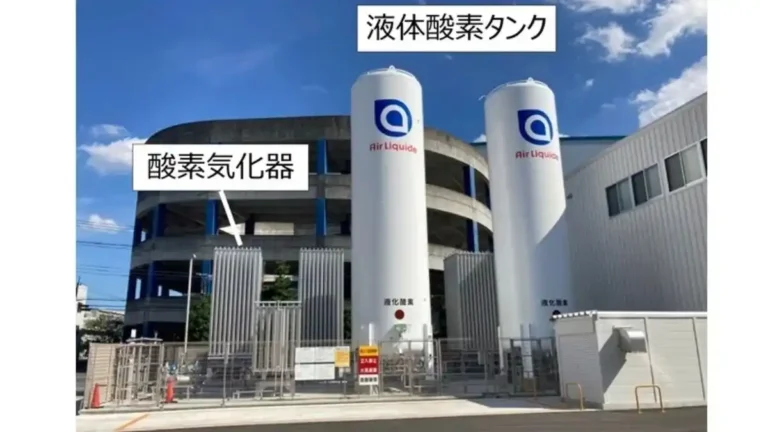

Toyo Glass has started operating Japan’s first large-scale glass bottle melting furnace using an oxygen combustion method at its Chiba plant in Kashiwa. The system began full operation on March 31, 2026, aiming to cut greenhouse gas emissions by around 20% while maintaining production output, supporting more sustainable packaging supply.
What is an oxygen combustion glass furnace?
An oxygen combustion glass furnace replaces air with high-concentration oxygen during the melting process. This removes nitrogen from combustion, improves heat transfer efficiency, and reduces energy waste. The result is lower emissions and more efficient glass production without reducing manufacturing capacity.
At a glance
- First large-scale oxygen combustion furnace for glass bottles in Japan
- Located at Toyo Glass’s Chiba plant in Kashiwa
- Operations began on March 31, 2026
- Cuts greenhouse gas emissions by about 20% per furnace
- Maintains production capacity above 200 tons per day
- Eliminates need for heat storage chambers
- Supports decarbonisation and resource efficiency goals
Why is this launch significant?
This marks a major step in reducing emissions in glass manufacturing, one of the most energy-intensive packaging processes. By improving furnace efficiency without lowering output, Toyo Glass demonstrates a practical route for decarbonising packaging production at scale in Japan.
How does the technology reduce emissions?
The system uses oxygen instead of air, removing nitrogen from the combustion process. This increases flame temperature and heat transfer efficiency, reducing fuel consumption. It also removes the need for large heat storage chambers, lowering material use and simplifying furnace design.
What does this mean for packaging supply chains?
Lower-emission glass production supports FMCG companies and retailers working to reduce Scope 3 emissions. Glass bottles are widely used in beverages and food products, so improvements at the manufacturing stage can directly reduce the carbon footprint across the supply chain.
How does this fit into industry trends?
Packaging manufacturers globally are investing in decarbonisation technologies, including electric furnaces, lightweight materials, and recycling systems. Oxygen combustion is emerging as a transitional solution, especially where full electrification is not yet viable at large production scales.
What is the broader strategy behind this move?
Toyo Seikan Group Holdings, the parent company, is focusing on reducing environmental impact across its packaging operations. This project, launched in 2024 and completed after two years of development, is part of a wider push toward energy efficiency and sustainable manufacturing.
What happens next?
Toyo Glass is expected to expand oxygen combustion technology across more production lines while continuing investment in low-impact manufacturing. The move signals a broader shift in Japan packaging toward scalable decarbonisation, as suppliers work to cut lifecycle emissions and support FMCG and retail partners facing tighter environmental targets.
Editor’s Note: This article is based on an official announcement from Toyo Glass and its parent Toyo Seikan Group Holdings regarding the launch of a new oxygen combustion glass melting furnace in Japan.