
The U.S. Bureau of Labor Statistics reported on April 10, 2026, that food inflation in the United States remained unchanged in March, as grocery prices eased while restaurant costs continued to rise. The annual food inflation rate stood at 2.7%, showing that overall price growth in the U.S. food sector is slowing but still persistent across households and retail channels.
Grocery inflation cooled further during the month, supported by declines in several core categories including meats, eggs, and cereals. However, food-away-from-home inflation remained higher, reflecting ongoing cost pressure in the U.S. restaurant and food service industry.
At a glance
- US food inflation: 0.0% month-on-month (March 2026)
- Annual food inflation: 2.7%
- Grocery prices: -0.2% monthly, 1.9% yearly
- Restaurant prices: +0.2% monthly, 3.8% yearly
- Eggs: -3.4% monthly decline
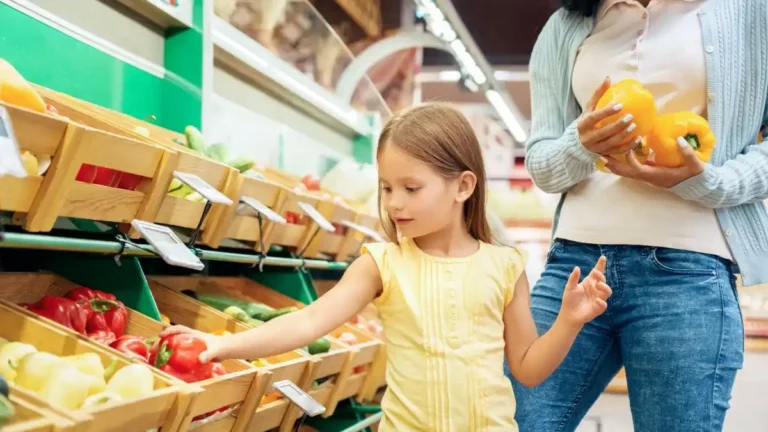
- Fruits and vegetables: +1.0% monthly increase
- Energy costs surged, adding wider inflation pressure
US Food Inflation Table (March 2026)
| Category | Monthly Change | Annual Change |
|---|---|---|
| All Food | 0.0% | 2.7% |
| Food at home (groceries) | -0.2% | 1.9% |
| Food away from home | +0.2% | 3.8% |
| Meats, poultry, fish & eggs | -0.6% | -0.9% |
| Eggs | -3.4% | (included in category) |
| Cereals & bakery products | -0.6% | 2.1% |
| Dairy & related products | Not specified | -1.6% |
| Nonalcoholic beverages | -0.3% | 4.7% |
| Fruits & vegetables | +1.0% | 4.0% |
| Other food at home | 0.0% | 2.9% |
What does the March 2026 US food inflation data show?
The March 2026 CPI shows that overall food inflation in the United States remained flat on a monthly basis. While annual inflation of 2.7% indicates continued price growth, the pace of increases has slowed. The data highlights a stabilizing food market with clear divergence between grocery store pricing and restaurant inflation trends.
How did US grocery prices perform in March 2026?
Grocery prices fell 0.2% in March and rose 1.9% year-on-year. This reflects easing inflation pressure across U.S. supermarkets. Declines in meat, eggs, cereals, and dairy helped offset gains in fresh produce, showing mixed but overall softer pricing across retail food baskets.
Why are restaurant prices still higher than groceries?
Food-away-from-home inflation rose 0.2% in March and 3.8% over the year, remaining above grocery inflation. This reflects continued pressure from labor costs, rent, and operational expenses in the U.S. food service sector. Restaurants continue to pass higher costs through to consumers more consistently than supermarkets.
Which food categories drove price movements?
Category trends were mixed across the U.S. food basket. Eggs recorded a sharp monthly fall of 3.4%, while meats, poultry, fish, and cereals also declined. In contrast, fruits and vegetables rose 1.0%, highlighting continued volatility in fresh produce compared with processed and packaged food categories.
What is the wider inflation context in the US?
Outside food, energy prices rose sharply in March, driven by a significant increase in gasoline and fuel costs. This contributed to broader inflationary pressure and may indirectly affect food distribution, logistics, and transportation costs across the retail supply chain in coming months.
What happens next for US food inflation?
Food inflation trends will depend on energy prices, supply chain stability, and seasonal food supply conditions. With energy costs rising sharply in March, input costs for transportation and logistics may remain elevated. The next CPI release will confirm whether grocery inflation continues to stabilize or shifts upward again.
Final takeaway
The March 2026 CPI shows a cooling phase in U.S. grocery inflation, while restaurant prices remain structurally higher. The overall food market is stabilizing, but cost pressure has not fully eased, keeping both retailers and consumers cautious heading into the next inflation cycle.