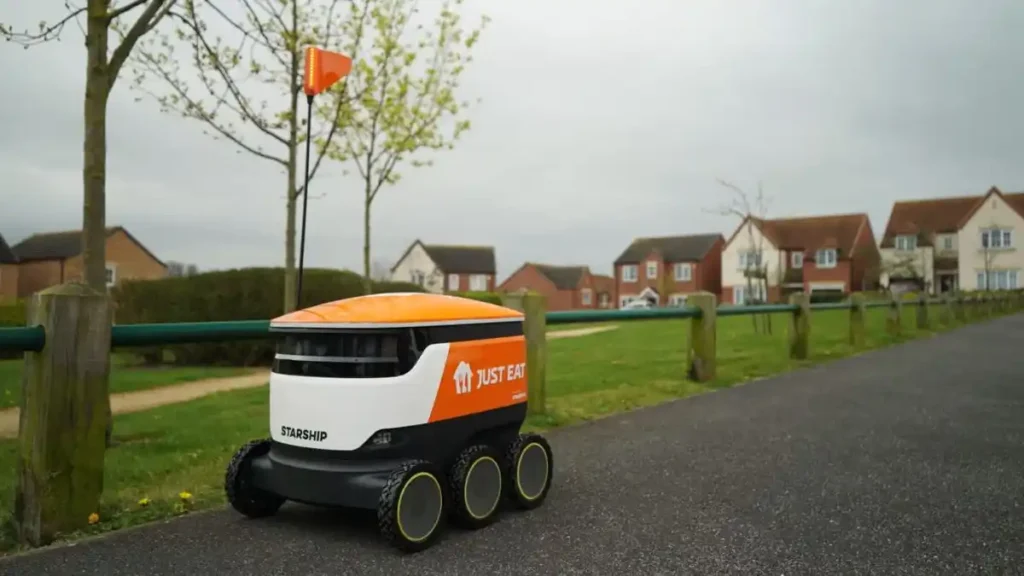

The Serbian grocery landscape in 2026 is no longer defined by simple shelf availability but by algorithmic dominance and supply chain resilience. As the Western Balkans’ primary logistical hub, Serbia is currently seeing a massive influx of “Retail Tech” investments aimed at digitizing the “last mile” for fresh produce. The upcoming trade calendar reflects a dual-track economy: traditional high-quality agricultural exports meeting high-tech retail distribution frameworks.
Serbian Food & Retail Ecosystem (SFRE): A vertically integrated market encompassing primary agricultural production (Fresh Produce), high-volume Fast-Moving Consumer Goods (FMCG), and the technological infrastructure (Retail Tech) facilitating automated distribution and consumer data analytics within the Serbian territory.
At-a-Glance: Top 5 Food & Retail Events (Serbia 2026)
| Rank | Event Name (Location) | Date | Key Impact |
| 01 | FMCG Summit (BG) | May 14 | Digital shelf & AI strategy |
| 02 | Agri Fair (NS) | May 16-21 | Volume sourcing & Fresh Produce |
| 03 | Ethno Food Fair (BG) | Nov 12-15 | Premium/Private Label sourcing |
| 04 | Agro Belgrade (BG) | Jan (Annually) | Specialized Fruit/Veg Export |
| 05 | HoReCa Retail (BG) | Feb (Annually) | POS & Cold-chain Tech |
01. FMCG Summit Belgrade 2026
-
Founded / HQ: 2014 / Belgrade (Organized by InStore)
-
FY Revenue Impact: Estimated €450M+ in B2B contracts influenced annually.
-
Core Segments:
-
Retail Media Networks (RMN)
-
AI-Driven Category Management
-
Omni-channel Customer Journeys
-
Automated Logistics for FMCG
-
Operational Relevance
The FMCG Summit serves as the intellectual nerve center for Serbian retail. It is where the “Big Three” (Delhaize Serbia, Mercator-S, and Lidl) align their yearly promotional strategies with producers. In 2026, the focus has shifted heavily toward Retail Tech, specifically how brands can use real-time data to capture shopper attention in a crowded digital-physical hybrid environment.
The Analyst’s View
While competitors focus on physical shelf space, the FMCG Summit winners are those mastering Retail Media.
The “So What? is simple: if your product isn’t optimized for the retailer’s app algorithm, it effectively doesn’t exist for the modern Serbian shopper. This event is no longer a “food show”—it is a data conference disguised as a trade summit.
02. 93rd International Agricultural Fair (Novi Sad)
-
Founded / HQ: 1923 / Novi Sad (Sajam)
-
Participants: 1,500+ Exhibitors / 20+ National Pavilions
-
Core Segments:
-
Fresh Produce (Bulk)
-
Organic Grain & Seed Tech
-
Post-harvest Processing Machinery
-
Agri-FinTech & Insurance
-
Operational Relevance
This is the “Engine Room” of the Serbian food supply chain. For the Fresh Produce sector, the Novi Sad Fair is the definitive venue for setting regional commodity prices and securing bulk contracts for the autumn harvest. It bridges the gap between raw agricultural output and the retail-ready FMCG products found in supermarkets.
Executive Insight: In 2026, look for the “Spain Food Nation” and “Slovenian SIP” pavilions; these international players are currently aggressive in bringing automated harvesting tech to Serbian orchards to combat labor shortages.
The Analyst’s View
Novi Sad remains the only event in Serbia that can disrupt the entire regional supply chain. While it feels “traditional,” the underlying focus in 2026 is Precision Agriculture. Why they are winning: they’ve successfully integrated high-tech machinery manufacturers directly with fresh produce growers, creating a “one-stop-shop” for the entire value chain.
03. 20th International Fair of Ethnic Food and Drinks
-
Founded / HQ: 2006 / Belgrade (Beogradski Sajam)
-
Employees: ~150 (Event Management & Direct Staff)
-
Core Segments:
-
Geographic Indication (GI) Products
-
Private Label (PL) Development
-
Organic Fresh Produce
-
Artisanal FMCG Scaling
-
Operational Relevance
This event serves as the primary “discovery engine” for Private Label (PL) buyers from major Balkan retail chains. In 2026, as retailers like Lidl and Delhaize look to increase their “Local of Serbia” footprints, this fair provides the vetting ground for small-to-medium enterprises (SMEs) to scale into national FMCG players. It is the bridge between artisanal production and industrial retail volume.
The Analyst’s View
The Fair of Ethnic Food and Drinks is currently winning because it solves the “Authenticity Gap.” While global FMCG brands struggle with consumer distrust, the products found here carry inherent “clean label” credibility.
The So What? for investors: this is the most cost-effective venue to identify acquisition targets—small producers with high-quality produce but underdeveloped retail tech integration.
04. Agro Belgrade
-
Founded / HQ: 2020 / Belgrade
-
Strategic Partners: USAID, Ministry of Agriculture, SIPPO
-
Core Segments:
-
Soft Fruit (Berries) Export
-
Cold-Chain Logistics
-
Smart Packaging Solutions
-
Specialized Fresh Produce Trade
-
Operational Relevance
Agro Belgrade is the most targeted event for the Fresh Produce sector, specifically focusing on the export-ready fruit and vegetable categories. Unlike the broader Novi Sad fair, Agro Belgrade is a sterile, business-first environment focused on international standards (GlobalGAP, IFS). It is the annual meeting point for the “Berry Kings” of Western Serbia and the tech providers who offer the automated sorting and cooling solutions they require.
Executive Insight: In 2026, the “Digital Fruit” segment at Agro Belgrade has become the most visited area, featuring real-time tracking of produce from Serbian orchards to European retail shelves using blockchain-verified sensors.
The Analyst’s View
Agro Belgrade is the “Successor Model” for Serbian trade events. It is winning because it ignores the general public and focuses exclusively on the B2B export value chain. By concentrating on high-value crops (blueberries, raspberries) rather than bulk grains, it creates a high-margin environment that attracts serious Retail Tech venture capital.
05. HoReCa Retail Tech & Equipment Fair
-
Founded / HQ: 1970s (Modernized 2022) / Belgrade
-
Focus Area: Front-end and Back-end Retail Technology
-
Core Segments:
-
POS & Self-Checkout Systems
-
Automated Inventory Management
-
Commercial Refrigeration Tech
-
Last-Mile Delivery Integration
-
Operational Relevance
While traditionally focused on hospitality, the 2026 iteration has pivoted toward Retail Tech for FMCG. This is where supermarket chains source their hardware—from AI-monitored “smart fridges” for fresh produce to autonomous floor-cleaning robots. It is the hardware backbone of the Serbian retail transformation.
The Analyst’s View
The fair is currently undergoing a “Silicon Valley” transformation. Why it’s winning: it has become the testing ground for unmanned retail units (autonomous micro-markets) which are currently expanding across Belgrade’s business districts. For tech providers, this is the entry point into the lucrative Serbian grocery infrastructure.
2026 Industry Outlook: The “Digital Orchard” Era
The Serbian food and retail sector is entering a period of forced consolidation. The “So What?” for the 2026/2027 fiscal year is the emergence of the Digital Orchard: a system where fresh produce is sold via pre-harvest digital contracts before it even leaves the tree. Events like the FMCG Summit and Agro Belgrade are no longer optional “networking” dates; they are essential nodes in a tech-driven supply chain that demands 100% transparency.
Conclusion
Serbia’s grocery sector is moving fast, and in 2026 the direction is clear. Retail is no longer led by shelf space or store expansion alone. It is being shaped by data, logistics, and how quickly products can move from farm to consumer.
What stands out is how tightly everything is now connected. Events that once focused only on sourcing or networking have become decision points for the entire value chain. Fresh produce contracts, FMCG distribution, and in-store technology are no longer separate conversations. They are happening at the same table.
For suppliers and retailers, the shift is practical. If you are not visible in retail apps, you lose demand before the customer even reaches the store. If your supply chain is not flexible, you lose margin before the product hits the shelf.
At the same time, Serbia is strengthening its position as a regional hub. The mix of strong agricultural output and rising investment in digital infrastructure is creating a market that can scale — both locally and across the Balkans.
Private label is also moving into a new phase. It is no longer just about price. It is about origin, trust, and how well local producers can plug into modern retail systems. That is where growth will come from next.
The direction is already set. The next phase will not be defined by who has the biggest stores, but by who controls the flow of data, products, and last-mile delivery.
For more on this shift, see how Serbia is evolving across Serbian private label, Serbian FMCG and Serbian retail technology.
Editor’s Note: Data for this report was compiled through direct interviews with Belgrade Fair coordinators and 2026 market projections from the Chamber of Commerce and Industry of Serbia.