
Lithuania’s retail technology sector is becoming more important across the Baltic grocery and FMCG market in 2026.
Supermarkets are under pressure to cut costs and work faster. In particular, they want to:
- reduce labour costs
- speed up fulfilment
- modernise loyalty systems
- improve inventory visibility across stores and warehouses
That pressure is pushing retailers toward these technologies:
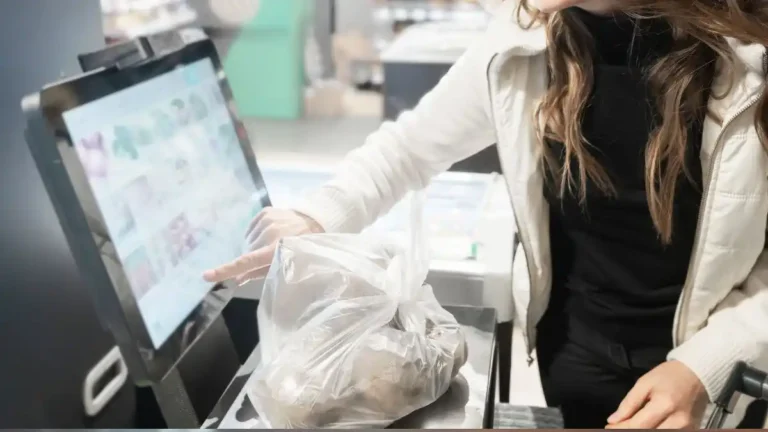
- self-checkout systems
- electronic shelf labels
- mobile commerce platforms
- retail analytics
- automation infrastructure
The Lithuanian market is especially interesting. It combines regional software developers with large international retail infrastructure providers.
Companies operating in the country now help shape digital retail operations in Lithuania. They also shape them across wider Baltic supermarket and FMCG supply chains.
At a Glance
| Rank | Company | FY Revenue | Strategic Role |
|---|---|---|---|
| 1 | StrongPoint | Approx. €150M+ | Grocery automation and self-checkout |
| 2 | Rivilė | Private | ERP and retail management software |
| 3 | Diebold Nixdorf | Approx. US$3.7B+ | POS and retail infrastructure |
| 4 | Hansab | Private | Systems integration and smart retail |
| 5 | iToDEV | Private | Custom retail software and apps |
1. StrongPoint
Founded in Norway, StrongPoint has built one of the strongest retail technology positions in the Baltic grocery sector.
What it supplies
The company’s Lithuanian presence is closely tied to supermarket automation projects. These involve:
- self-checkout systems
- electronic shelf labels
- click-and-collect lockers
- grocery picking infrastructure
StrongPoint’s importance comes from operational execution rather than consumer visibility. Many supermarket shoppers in Lithuania use StrongPoint-powered systems daily without realising it.
Why it matters to supermarket buyers
The company has also gained from growing demand for labour-efficiency tools. Retailers face rising wage pressure and staffing shortages across Europe.
Its integration work around Pricer electronic shelf labels has become more relevant. Supermarkets are pushing toward faster price management and promotion automation.
Retailers such as Maxima, IKI and Rimi Baltic continue investing heavily in checkout modernisation and omnichannel grocery infrastructure. This helps sustain long-term demand for companies like StrongPoint.
2. Rivilė
Rivilė remains one of Lithuania’s most important locally developed retail software providers.
What it supplies
Its ERP and accounting systems are deeply embedded across:
- regional retailers
- wholesalers
- FMCG distributors
- independent supermarket operators
That local market relevance matters.
Many Baltic retailers still prefer regionally adapted systems. These can handle local accounting, tax, stock-management and compliance requirements. They avoid the complexity and cost of larger international enterprise platforms.
Why it matters to supermarket buyers
Rivilė’s systems are especially common among small and medium-sized operators. These operators need flexible inventory visibility and warehouse coordination. They do not necessarily need multinational-scale infrastructure.
The company also reflects a wider Baltic technology trend. Domestic software ecosystems continue to hold strong positions despite growing international software competition.
Lithuania supermarket operators are expanding digital inventory management and retail reporting. As they do, locally adapted ERP systems are likely to remain commercially important.
3. Diebold Nixdorf
Diebold Nixdorf continues to play a major role across Lithuania’s physical retail infrastructure.
What it supplies
The company supplies these tools to large supermarket and convenience networks:
- POS terminals
- self-service checkout systems
- cash-handling technology
- retail software integration tools
Its strength comes from scale and infrastructure reliability.
Why it matters to supermarket buyers
Large grocery operators need checkout hardware that can run continuously in high-volume stores. It must also integrate with loyalty systems, payment infrastructure and retail analytics software.
Lithuanian retailers are also investing more heavily in hybrid checkout environments. In these, staffed lanes, self-service terminals and mobile payment systems operate at the same time.
That operational complexity continues to support demand for major retail infrastructure providers.
Competition from rivals such as NCR remains strong. Even so, Diebold Nixdorf still has significant influence inside Baltic retail deployment projects.
4. Hansab
Hansab has become one of the Baltic region’s most influential technology integration businesses.
What it supplies
The company works across:
- retail automation
- queue management
- smart parking systems
- digital kiosks
- security infrastructure
- automated cash handling
Its importance inside Lithuania’s supermarket ecosystem is tied to integration capability rather than individual products.
Why it matters to supermarket buyers
Retailers increasingly want connected systems inside a single environment. These combine customer flow management, payment processing, security monitoring and operational analytics.
Hansab has positioned itself directly inside that trend.
The company has also gained from wider Baltic investment in store modernisation projects. This is particularly true in urban retail locations. There, supermarkets are under pressure to improve customer throughput without expanding labour costs.
Backed by Baltic private equity investment, Hansab continues to strengthen its regional market influence.
5. iToDEV
iToDEV represents Lithuania’s growing custom retail software development ecosystem.
What it supplies
Unlike hardware-focused retail technology companies, iToDEV specialises more in:
- bespoke software systems
- mobile commerce tools
- integrations
- digital retail applications
One of the company’s strongest market examples is its work on the Maxima mobile application ecosystem. This includes wallet integration and customer loyalty functionality.
Why it matters to supermarket buyers
That matters because Baltic retailers increasingly compete through customer experience infrastructure, not pricing alone.
Retail apps are now deeply tied to:
- loyalty systems
- digital coupons
- targeted promotions
- mobile payments
- customer data collection
Lithuanian supermarket groups are expected to keep investing in these areas. Omnichannel grocery competition is intensifying across the region.
Industry Outlook
Lithuania’s retail technology sector is likely to stay closely linked to supermarket efficiency investment over the next several years.
The strongest growth areas are expected to include:
- electronic shelf labels
- AI-assisted inventory forecasting
- warehouse automation
- smart fulfilment systems
- cashierless convenience retail
- retail media infrastructure
Rising operating costs are pushing retailers toward greater automation across stores and distribution networks.
That trend is especially visible across the wider Lithuania supermarket and Lithuania FMCG ecosystem. Operators there are trying to balance labour availability, pricing pressure and omnichannel fulfilment expectations.
The Baltic region is also becoming more important for regional grocery logistics and cross-border retail technology deployment.
That creates opportunities for large infrastructure providers. It also helps Lithuanian software developers that can build customised retail systems for regional supermarket groups and Lithuania private label distribution networks.
Frequently Asked Questions
Which retail technology companies lead in Lithuania?
The top five are StrongPoint, Rivilė, Diebold Nixdorf, Hansab and iToDEV. StrongPoint ranks first, with revenue of approx. €150M+.
Why are Lithuanian supermarkets investing in retail technology?
They are under pressure to reduce labour costs, speed up fulfilment and modernise loyalty systems. They also want better inventory visibility across stores and warehouses.
Which retail technology areas are expected to grow fastest?
Expected growth areas include electronic shelf labels, AI-assisted inventory forecasting and warehouse automation. Smart fulfilment, cashierless convenience retail and retail media infrastructure are also on the list.
What Happens Next
The next phase of Lithuania’s retail technology market will probably focus less on standalone systems. Instead, it will focus more on connected retail ecosystems.
Supermarkets are increasingly trying to connect these into unified retail environments:
- inventory systems
- warehouse operations
- mobile applications
- electronic shelf labels
- customer loyalty infrastructure
- payment systems
Retailers are also expected to invest more in predictive analytics and AI-assisted stock optimisation. Grocery margins remain under pressure.
The companies most likely to strengthen their positions through 2027 will probably be those that help retailers reduce operational friction. They will also need to improve customer speed, pricing accuracy and fulfilment efficiency.
That trend is likely to keep Lithuania retail technology closely linked to wider Lithuania supermarket modernization. It also ties it to Baltic grocery logistics expansion and regional FMCG digital infrastructure investment.
Editor’s Note: This article is based on publicly available company information, Baltic retail infrastructure activity. Supermarket technology deployment trends, industry reports, and operational analysis of Lithuania’s retail technology market in 2025–2026.