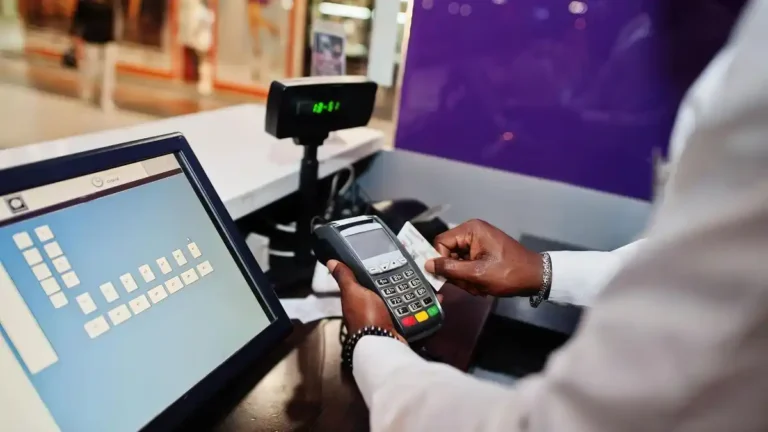

Malta’s retail technology market is becoming more specialized rather than larger.
Operating costs continue rising across the island. In response, supermarkets, convenience chains, hospitality operators and independent retailers are investing more heavily in:
- cloud POS systems
- delivery integrations
- payment automation
- inventory visibility
The shift is being driven by several pressures at once:
- tourism volatility
- labor shortages
- growing delivery-platform dependence
- the need for faster omnichannel retail operations inside a physically small but highly competitive market
That environment has strengthened the role of companies that can handle localized compliance and hospitality-retail crossover. Cloud infrastructure and integration with Malta’s increasingly digital consumer economy also matter.
At a glance
| Rank | Company | FY Revenue | Strategic Role |
|---|---|---|---|
| 1 | Progressive Information Systems | Private | Malta-focused POS and retail infrastructure |
| 2 | Lightspeed | ~$1B+ | Cloud retail and hospitality systems |
| 3 | Shopify | ~$7B+ | Omnichannel commerce infrastructure |
| 4 | Epos Now | Private | SME retail and hospitality POS systems |
| 5 | Wolt-linked Retail Integrators | Private | Delivery and digital retail integration |
1. Progressive Information Systems
- Founded: 1987
- Headquarters: Mosta, Malta
- Core Business: Retail POS systems, hospitality systems, cloud retail infrastructure, inventory management
Progressive Information Systems is one of Malta’s most established retail technology providers. It remains deeply connected to the country’s supermarket and hospitality infrastructure.
What it supplies
The company developed its own XtraPOS and XtraPOS Cloud systems around Maltese retail requirements. That local engineering matters because Malta’s supermarket operators often require:
- VAT-compliant checkout systems
- localized fiscal reporting
- Sage accounting integration
- multi-store inventory visibility
- handheld stock management
- retail-hospitality crossover support
The company supplies systems across:
- supermarkets
- convenience stores
- cafés
- restaurants
- independent retail chains
- hospitality operators
Progressive’s strength is not global scale. Its advantage comes from localized deployment capability and direct support infrastructure inside Malta.
Why it matters to supermarket buyers
For supermarkets, the company provides operational tools that help manage:
- stock synchronization
- checkout speed
- pricing updates
- back-office reporting
- inventory control
- customer billing systems
The company also acts as a deployment and support partner for international retail platforms including Lightspeed.
That partnership structure has helped international cloud systems enter Malta more effectively. They do not need to build full local servicing operations from scratch.
2. Lightspeed
- Founded: 2005
- Headquarters: Montreal, Canada
- FY Revenue: Over US$1 billion
- Core Business: Cloud commerce systems, retail POS, hospitality software
Lightspeed has become one of the most visible international retail technology platforms in Malta. Its presence comes through regional deployment partnerships and hospitality expansion.
The company is particularly active through Lightspeed Restaurant (K-Series). This has gained traction with tourism-oriented hospitality operators and foodservice businesses.
What it supplies
For supermarkets and retailers, Lightspeed provides:
- cloud POS systems
- inventory management
- customer analytics
- omnichannel retail integration
- e-commerce synchronization
- digital payment management
Why it fits Malta
One reason the platform fits Malta well is flexibility.
Many Maltese retailers run hybrid retail structures. In these, hospitality, takeaway, convenience retail and e-commerce overlap operationally.
Lightspeed’s cloud-based infrastructure lets operators manage multiple sales channels from centralized dashboards.
The platform is increasingly attractive for medium-sized retail operators. They want modern retail systems without building large internal IT infrastructure.
3. Shopify
- Founded: 2006
- Headquarters: Ottawa, Canada
- FY Revenue: Over US$7 billion
- Core Business: E-commerce infrastructure, omnichannel retail systems, POS software
Shopify has become increasingly important across Malta’s specialty retail and omnichannel retail market.
Who uses it
Shopify is not a traditional supermarket infrastructure provider. Even so, its influence is growing among:
- specialty food retailers
- boutique grocery businesses
- beauty retailers
- lifestyle chains
- tourism-focused stores
The platform’s major advantage is retail integration simplicity.
Retailers can connect:
- physical POS
- online stores
- inventory systems
- customer databases
- fulfillment management
- mobile payments
Why it matters to supermarket buyers
That matters in Malta because many smaller retailers do not run large centralized technology departments.
Shopify lets retailers manage physical and online retail from a single ecosystem with relatively low operational complexity.
For supermarkets, Shopify’s relevance is still limited compared with specialized grocery ERP systems. But smaller independent food retailers increasingly use Shopify for direct-to-consumer retail and online ordering.
4. Epos Now
- Founded: 2011
- Headquarters: Norwich, United Kingdom
- Core Business: Cloud POS systems, hospitality systems, SME retail infrastructure
Epos Now has expanded steadily across European hospitality and SME retail markets. It continues gaining relevance in Malta due to its European support infrastructure.
Some North American systems lack EU merchant flexibility. Epos Now, by contrast, operates naturally within European payment and VAT environments.
Who uses it
The platform is commonly used by:
- convenience retailers
- cafés
- bars
- restaurants
- small grocery stores
- tourism-focused retail businesses
Its systems support:
- inventory tracking
- payment processing
- loyalty management
- cloud reporting
- employee management
- digital ordering systems
Why it matters to supermarket buyers
For Malta’s retail market, the company’s strongest advantage is practicality.
Many retailers want fairly affordable cloud systems that work across both hospitality and retail. They do not want to need large-scale enterprise deployment budgets.
5. Wolt-Linked Retail Integrators
- Founded: Various
- Headquarters: Malta and regional operators
- Core Business: Delivery integration, retail ERP synchronization, POS connectivity
Retail integration specialists connected to delivery platforms are becoming more important inside Malta’s retail ecosystem.
The rapid growth of Wolt and Bolt has changed how supermarkets and convenience operators manage digital retail infrastructure.
What retailers need
Retailers increasingly require systems capable of synchronizing:
- online ordering
- inventory visibility
- POS systems
- payment routing
- delivery coordination
- customer data
This operational layer is becoming more important for:
- supermarkets
- dark stores
- convenience chains
- quick-commerce operators
- prepared food retailers
The growth of app-based grocery delivery inside Malta is pushing retailers toward more connected operational systems. Isolated POS environments are giving way.
Why Malta’s retail technology market matters
Malta is small geographically, but operationally complex.
The country combines:
- high tourist density
- strong hospitality exposure
- limited physical retail space
- rising wage pressure
- growing delivery demand
- fast digital payment adoption
That combination forces retailers to operate efficiently.
Retail technology investment in Malta is increasingly focused on operational practicality rather than experimental innovation.
Retailers are prioritizing systems capable of improving:
- checkout speed
- labor efficiency
- inventory visibility
- delivery coordination
- omnichannel retail management
- compliance handling
Localized support has also become more valuable.
Many businesses still prefer providers that offer direct servicing inside Malta. They would rather not rely entirely on remote international support teams.
Frequently Asked Questions
Which retail technology companies lead in Malta?
The top five are Progressive Information Systems, Lightspeed, Shopify, Epos Now and Wolt-linked retail integrators. Progressive Information Systems, founded in 1987 and based in Mosta, ranks first.
What is XtraPOS?
XtraPOS and XtraPOS Cloud are systems Progressive Information Systems developed around Maltese retail requirements. They support needs such as VAT-compliant checkout, localized fiscal reporting and Sage accounting integration.
Why does delivery integration matter in Malta?
The rapid growth of Wolt and Bolt has changed how supermarkets and convenience operators manage digital retail. Retailers now need systems that synchronize online ordering, inventory, POS, payments and delivery.
What happens next
Several long-term trends are expected to shape Malta’s retail technology sector during the rest of 2026 and beyond.
Cloud POS migration will likely keep accelerating. Retailers are phasing out older legacy systems across the Malta supermarket sector and wider convenience retail market.
Delivery integration is also expected to become even more important. Grocery and convenience operators are deepening partnerships with app-based commerce platforms.
AI-supported inventory forecasting may gradually expand across larger supermarket and hospitality operators as labor costs keep increasing.
Private label growth is another important factor influencing retail technology investment in Malta.
Malta FMCG suppliers and supermarket operators continue expanding own-brand product ranges. As a result, retailers are placing greater focus on:
- inventory accuracy
- shelf availability
- pricing synchronization
- warehouse visibility
- real-time sales analytics
The structure of the market is becoming clearer now.
Malta is unlikely to become a major software development hub competing against larger European technology markets.
Instead, the country is positioning itself as a highly digitized Mediterranean retail environment. There, localized compliance support, cloud flexibility, hospitality-retail integration and Malta supermarket operational efficiency matter more than pure software scale alone.
Editor’s Note:This article is based on publicly available company information, regional retail deployment visibility, Malta retail market analysis. European POS infrastructure trends, and operational relevance across the Maltese grocery, hospitality, and retail sectors in 2026.